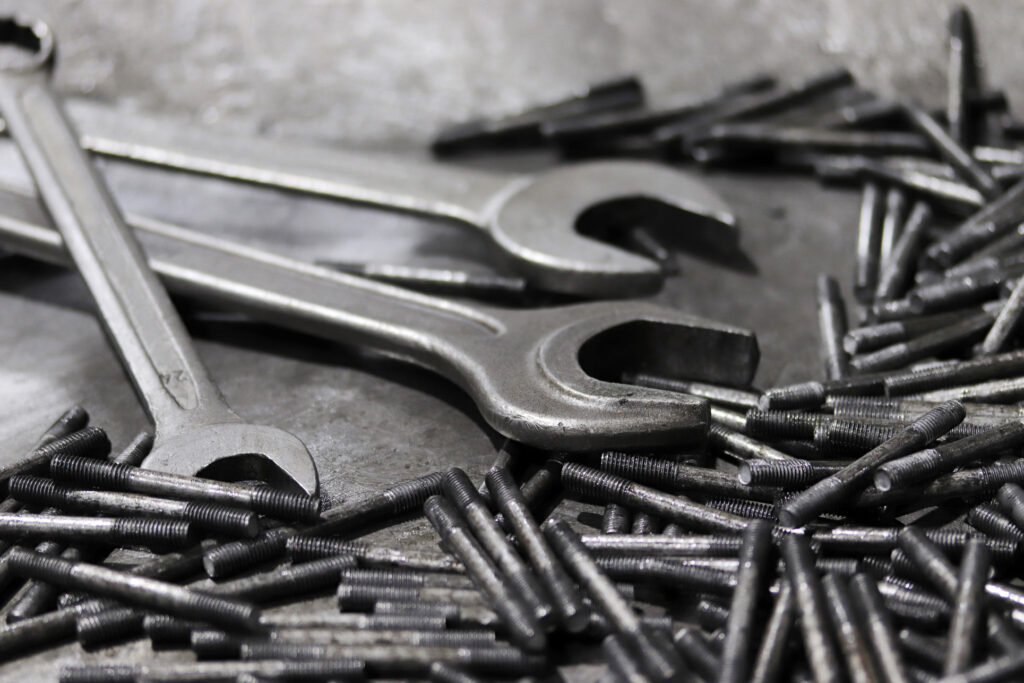

In a world increasingly focused on sustainability, resource efficiency, and environmental responsibility, the role of recycling has never been more critical. Among all recyclable materials, steel stands out as one of the most valuable and widely reused resources. Its durability, versatility, and ability to be recycled indefinitely without losing quality make it a cornerstone of modern industry. Today, Steel Recycling plays a vital role in reducing waste, conserving natural resources, and supporting a circular economy that benefits both businesses and communities.
The Importance of Steel Recycling
Steel is used in nearly every sector, from construction and automotive manufacturing to household appliances and infrastructure. As demand for steel continues to grow, so does the need to manage its lifecycle responsibly. Recycling steel helps reduce the need for mining raw materials such as iron ore, coal, and limestone, which are energy-intensive to extract and process.
One of the key advantages of steel is that it can be recycled repeatedly without degradation. This means that a steel product used today could become part of a building, bridge, or vehicle in the future. By recycling steel, industries can significantly cut down on energy consumption—by up to 60–70% compared to producing new steel from raw materials—while also lowering greenhouse gas emissions.
Environmental Benefits
The environmental impact of steel production is substantial, but recycling offers a powerful solution. By reusing existing materials, we can reduce landfill waste and minimise pollution associated with mining and manufacturing processes. For example, recycling one tonne of steel saves approximately 1.5 tonnes of iron ore and reduces carbon dioxide emissions significantly.
Additionally, steel recycling helps conserve water and reduces air pollution. Traditional steel production requires large amounts of water for cooling and processing, whereas recycling processes use considerably less. This contributes to more sustainable industrial practices and helps protect natural ecosystems.
Economic Advantages
Beyond environmental benefits, steel recycling also provides strong economic incentives. It creates jobs across collection, sorting, processing, and manufacturing sectors. Scrap metal businesses, recycling facilities, and logistics providers all contribute to a thriving industry that supports local economies.
For businesses, using recycled steel can be cost-effective. It often requires less energy to produce, which can lower overall production costs. This is particularly important in competitive industries where efficiency and sustainability are key differentiators. Furthermore, governments and organisations are increasingly encouraging recycling through policies, incentives, and sustainability targets, making it a smart long-term investment.
The Recycling Process
The process of recycling steel is efficient and well-established. It begins with the collection of scrap steel from various sources such as old vehicles, construction debris, and discarded appliances. This material is then sorted and cleaned to remove impurities.
Next, the steel is melted in a furnace, often using electric arc technology, which is more energy-efficient than traditional methods. Once melted, the steel is refined and formed into new products such as beams, sheets, or bars. These products can then be used in a wide range of applications, completing the recycling loop.
Modern recycling facilities use advanced technology to ensure high-quality output, making recycled steel just as reliable as newly produced steel. This has helped increase its acceptance and use across industries worldwide.
Practical Applications and Everyday Impact
Steel recycling is not limited to large-scale industrial use—it also has a direct impact on everyday life. Items like food cans, bicycles, tools, and even furniture often contain recycled steel. By choosing products made from recycled materials or properly disposing of steel items, individuals can contribute to a more sustainable future.
Communities can also benefit from local recycling programs and initiatives that promote responsible waste management. Simple actions, such as separating metal waste and supporting recycling centres, can collectively make a significant difference.
Conclusion
As the global demand for resources continues to rise, sustainable practices like recycling are essential for long-term environmental and economic stability. Steel, with its unique ability to be reused indefinitely, offers a powerful opportunity to reduce waste and conserve resources. By embracing efficient recycling systems and encouraging responsible consumption, industries and individuals alike can play a role in shaping a greener future.