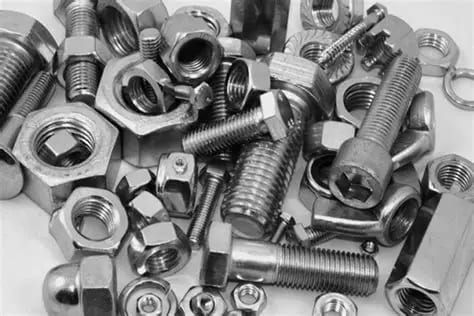

Stainless steel nuts and bolts are used across industries because they’re strong, corrosion-resistant, and reliable in demanding environments. Even so, they’re not completely maintenance-free. Dirt, grime, metal deposits, and exposure to harsh conditions can gradually dull their surface or reduce performance. Proper cleaning keeps them in top shape and preserves both appearance and function.
Below is an authoritative, practical guide on how to clean stainless steel nuts and bolts effectively, along with tips to help you protect your hardware for the long term.
Why Stainless Steel Still Needs Cleaning
Stainless steel resists rust because it forms a thin protective layer of chromium oxide on the surface. That layer can weaken when contaminants build up. Common issues include:
- Tea staining: A light brown discoloration caused by salt, humidity, or pollution.
- Metal contamination: Small iron particles from other tools or components can embed in the surface and rust.
- Chemical exposure: Chlorides or strong acids can attack the protective layer.
- General debris: Oils, dirt, and machining residue can cling to threads.
Regular cleaning prevents these problems and helps stainless steel nuts and bolts deliver the durability they’re designed for.
Step 1: Identify the Type of Contamination
Before cleaning, take a moment to see what you’re dealing with. A light film of dirt calls for mild detergent. Brown staining may need a specialized stainless steel cleaner. Embedded iron particles require a different approach. Knowing the issue upfront saves time and reduces the risk of over-treating or damaging the hardware.
Look for signs like:
- Light surface dirt: Dust, grease, fingerprints.
- Stains or discoloration: Brown or yellow patches.
- Rough spots: Possible iron contamination.
- Visible rust: Usually not the stainless steel itself but foreign particles on it.
Step 2: Start With Mild Cleaning
For general maintenance, a simple wash is often enough.
Materials:
- Warm water
- Mild dish detergent
- Soft brush or cloth
- Clean rinse water
Method:
- Mix a small amount of detergent with warm water.
- Scrub the nuts and bolts gently with a soft brush, paying attention to the threads.
- Rinse well to remove soap residue.
- Dry fully with a clean cloth.
This basic approach removes most grease and dirt without harming the stainless surface.
Step 3: Remove Stains and Tea Staining
If discoloration remains, move to a stronger but still safe cleaning method.
Use a Stainless Steel Cleaner or Gel
A non-abrasive stainless steel cleaner works well for brown staining. These products are designed to dissolve contaminants without scratching. Follow the manufacturer’s instructions, apply with a soft cloth or brush, and rinse thoroughly.
Try a Simple Baking Soda Paste
For mild stains, mix baking soda with water until it forms a paste. Apply it, scrub gently, and rinse. This is a low-risk option for light discoloration.
Avoid steel wool or abrasive pads. They can leave behind iron particles that later rust.
Step 4: Treat Iron Contamination and Surface Rust
Surface rust on stainless steel nuts and bolts is usually caused by iron deposits picked up during handling or machining.
Use a nitric acid-based passivation solution or a commercial passivating product designed for stainless steel. These treatments dissolve iron contamination and restore the protective chromium oxide layer.
Key guidelines:
- Follow all safety instructions.
- Rinse thoroughly after treatment.
- Do not mix passivation chemicals with other cleaners.
Passivation is common in industrial settings, especially when stainless steel hardware is part of food processing equipment, chemical systems, or marine structures.
Step 5: Deep Cleaning for Heavy Build-Up
When nuts and bolts are heavily soiled, especially after long-term outdoor exposure, they may need a more involved cleaning process.
Ultrasonic Cleaning
Ultrasonic tanks use high-frequency vibration to remove debris from threads and crevices. This method is effective for large batches and for fasteners used in precision machinery.
Steam Cleaning
High-temperature steam loosens grime without chemicals. It’s a good option when residue is oily or baked on.
Both methods are widely used by manufacturers and maintenance teams handling large volumes of stainless steel nuts and bolts.
Step 6: Rinse and Dry Thoroughly
Rinsing is one of the most important steps. Leftover chemicals or cleaning agents can cause streaking or corrosion over time. After rinsing, ensure all parts are fully dry before storage. Moisture trapped in threads can lead to staining or degrade lubricants used during assembly.
For high-value or mission-critical hardware, consider blowing parts dry with compressed air.
How to Keep Stainless Steel Nuts and Bolts Clean Longer
Once your fasteners are cleaned, a few simple habits can extend their service life:
- Avoid mixing metals. Store stainless steel separately from carbon steel to prevent contamination.
- Use clean tools. Dirty wrenches or drivers can transfer metal particles.
- Apply an anti-seize compound when needed. This protects threads, especially in marine or high-heat environments.
- Inspect regularly. Spots, streaks, or rough areas are easier to treat early.
- Choose high-grade stainless steel. Products made from 304 or 316 stainless steel offer better long-term corrosion resistance.
If your facility handles bulk quantities, work with a supplier that provides pre-cleaned or passivated stainless steel nuts and bolts to cut down on maintenance time.
Final Thoughts
Toko baut & mur – tokohasil.com: Stainless steel nuts and bolts offer excellent corrosion resistance, but they still need proper care to perform at their best. Clean them with the right methods, avoid harsh abrasives, and choose quality fasteners from the start. With a consistent cleaning routine, you can keep your hardware looking sharp and operating reliably in even the toughest conditions.