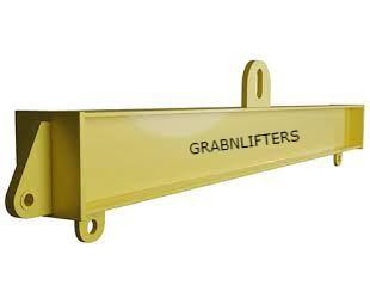

In the world of heavy lifting and rigging equipment, a spreader beam plays a crucial and often underrated role. Whether in construction, manufacturing, shipping, or offshore industries, spreader beams help engineers and rigging professionals move large and heavy loads with precision and safety. This blog explores what a spreader beam is, why it’s essential, how it works, key design considerations, and best practices for choosing the right spreader beam manufacturer.
What Is a Spreader Beam?
A spreader beam is a structural lifting device used to distribute the load of a heavy object being hoisted by cranes, hoists, or other lifting apparatus. Unlike a simple sling or single-point connection, a spreader beam allows the load to be lifted from multiple attachment points, which evenly distributes stress and minimizes the risk of damage to the load.
Spreader beams are typically made of high-strength steel or aluminum, designed to endure immense weight and harsh working conditions. Their size and shape vary based on load requirements, application, and industry standards.
Why Are Spreader Beams Important?
In any lifting operation, safety and efficiency are top priorities. A spreader beam offers several key benefits:
1. Load Distribution
Spreader beams evenly distribute the weight of heavy objects across multiple points. This reduces stress on the load and lifting equipment, preventing deformation, breakage, or load instability.
2. Increased Safety
Improper lifting can lead to catastrophic accidents. Spreaders stabilize loads, reduce swinging and shifting, and help prevent dangerous load imbalances. This means fewer workplace injuries and equipment damage.
3. Versatility
Spreader beams can be custom-engineered to meet unique lifting scenarios—from lifting bulky industrial machinery to handling oversized shipping containers or structural steel beams.
4. Cost Efficiency
Although spreader beams represent an upfront investment, they save money by reducing downtime, minimizing damage to expensive materials, and optimizing the performance of cranes and rigging systems.
How Do Spreader Beams Work?
At its core, a spreader beam functions by increasing the distance between the connection points used for lifting. Think of it like the horizontal bar in a slingshot; the wider the bar, the more stable the launch. Similarly, a spreader beam increases the distance between two lifting slings, creating a more balanced lift.
Here’s a simplified explanation:
- Attachment Points: The beam connects to the crane hook at the top.
- Lift Slings: Multiple slings or chains attach to the bottom or ends of the beam.
- Load Distribution: As the crane lifts, the beam ensures the load’s weight is spread evenly across all connection points.
- Safe Lift: The load is lifted in a more stable and secure manner.
Depending on the application, spreader beams may be used with additional rigging accessories such as shackles, hooks, chain blocks, and wire ropes.
Types of Spreader Beams
Spreader beams come in different configurations based on lifting needs:
- Fixed Spreaders: These have a set length and are used when the load dimensions are known and consistent.
- Adjustable Spreaders: These allow for length modifications to suit varying load sizes.
- Modular Spreaders: Built from multiple components, these can be reconfigured for different lift scenarios.
- Telescopic Spreaders: These offer a variable span and are ideal for handling loads of varied widths without multiple beams.
Each type serves a distinct purpose and offers flexibility depending on the lifting challenge at hand.
Key Considerations When Choosing a Spreader Beam Manufacturer
Selecting the right spreader beam manufacturer is vital because the quality of the beam directly impacts safety and performance. Here are key factors to consider:
1. Design Expertise
A reputable manufacturer will design spreader beams that comply with international safety standards and engineering best practices. Quality designs ensure structural integrity and optimal performance.
2. Material Quality
High-strength steel and reliable welds are non-negotiable for spreader beams. Manufacturers should use certified materials with traceable quality assurance to withstand repeated heavy lifting.
3. Custom Solutions
Not every lifting operation fits a standard configuration. A good manufacturer can offer bespoke solutions tailored to unique load shapes, weights, and job conditions.
4. Testing and Certification
Certification from recognized bodies and thorough testing (including load testing, stress analysis, and inspection) are critical to ensure your spreader beam performs reliably under real-world conditions.
5. After-Sales Support
Look for manufacturers who provide ongoing support, maintenance guidance, and spare parts. This ensures longevity and continues safe operation of the equipment.
Industry Applications
Spreader beams are utilized in a variety of sectors:
- Construction: Lifting beams, precast concrete, and structural elements.
- Shipping & Logistics: Handling containers and oversized cargo.
- Energy Sector: Installing wind turbine components or heavy generators.
- Manufacturing: Moving large machinery and factory components.
- Oil & Gas: Offshore lifting operations requiring extended reach and balance.
Each industry brings its own challenges, and the right spreader beam ensures those challenges are met with both safety and efficiency.
Conclusion
In heavy lifting and rigging operations, a spreader beam is more than just a piece of metal—it’s a critical safety and performance tool. Choosing a manufacturer with strong engineering expertise, quality materials, and a commitment to safety can make the difference between seamless operations and costly failures. Whether you’re lifting industrial machinery or structural components, understanding what makes a spreader beam effective is the first step toward safer, more efficient work sites.
Other recommended Link: Scissor Lift Manufacturers