
The global transition to sustainable energy solutions has made solar energy the center of innovation and growth in recent years. With India embracing renewable energy to lower carbon emissions and reduce dependency on fossil fuels, solar water warmers and solar panels have gained increasing popularity. If you’re considering installing a solar water warmer in 2026 or analyzing the solar panel installation cost in India, this guide provides everything you need to know, from understanding how these systems work to evaluating installation costs.
What is a Solar Water Warmer?
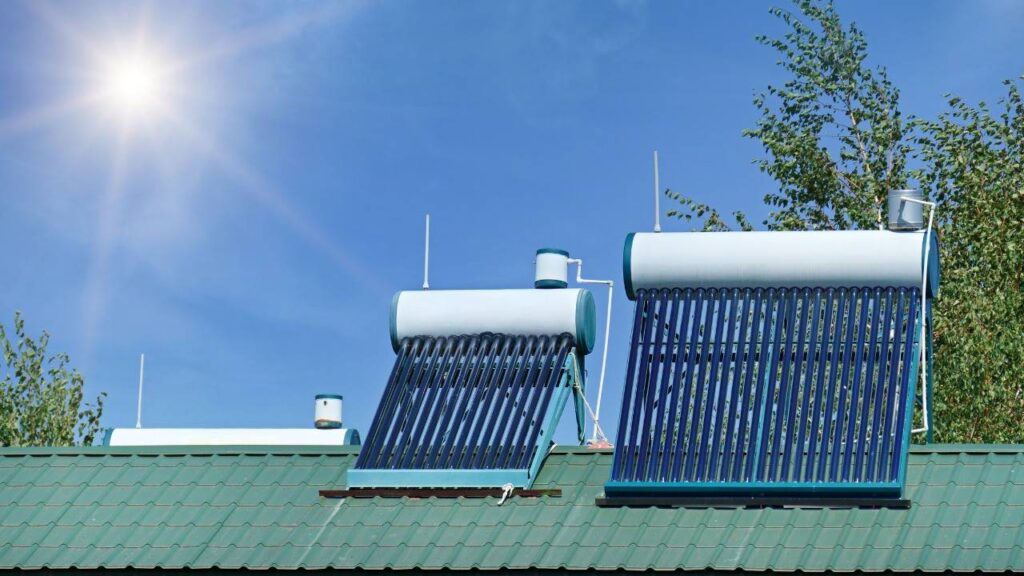
A solar water warmer, often referred to as a solar water heating system, is an eco-friendly device that harnesses the sun’s energy to heat water. The system primarily consists of solar collectors, storage tanks, and circulation systems. Powered by renewable solar energy, solar water warmers are a sustainable alternative to traditional electric geysers or gas-based water heating systems. They are ideal for households and businesses looking to lower energy bills while contributing to environmental conservation.
Types of Solar Water Warmers
Choosing the right solar water warmer depends on various factors, such as your geographical location, water usage, and budget. Here are the two most common types of solar water warmers widely available in India:
1. Flat Plate Collectors (FPCs)
Flat plate collectors are conventional solar water heaters that consist of a metallic sheet coated with an absorber material. They use insulated pipes to transfer solar heat to the water inside the system. FPCs are suitable for mild climates and are highly durable, often lasting for decades.
2. Evacuated Tube Collectors (ETCs)
ETCs are more efficient than FPCs, especially in colder regions or areas with low sunlight exposure. They consist of glass tubes filled with water or a heat-transfer fluid. ETCs ensure higher heat retention and can operate effectively even during the winter months.
How to Buy the Right Solar Water Warmer in India?
The following factors will help you choose the best solar water warmer for your needs:
1. Capacity
Determine your daily hot water requirements before deciding on the heater’s size. For small households, a 100-150 liter per day capacity is typically sufficient, while larger families may require a system with a capacity of 200-300 liters or more.
2. Material and Durability
The material of the tank and other components is crucial. Stainless steel tanks are durable and resistant to corrosion, making them ideal for long-term use.
3. Efficiency Ratings
Look for solar water warmers with higher thermal efficiency ratings. A more efficient system ensures faster water heating and increased energy savings.
4. Brand and Warranty
Opt for trusted brands such as Tata Power Solar, V-Guard, or Racold. Ensure the product comes with a warranty of 5-10 years for hassle-free service and maintenance.
5. Climate and Location
Consider your geographical location and the amount of sunlight your area receives throughout the year. In colder regions, evacuated tube collectors may perform better.
Solar Panel Installation Cost in India 2026: Estimating Expenses
Solar panel installation costs in India have steadily declined over the years due to advancements in technology, increased demand, and supportive government policies. By 2026, India aims to further reduce the dependence on conventional power sources, increasing the affordability of solar energy solutions for households and businesses.
Factors Influencing Solar Panel Installation Costs in India
Here are the primary factors that affect the cost of solar panel installation:
1. System Capacity
The cost of installation is directly proportional to the capacity of the solar panel system. Residential setups typically range between 1kW and 5kW, with larger systems required for commercial and industrial purposes. On average, a 1kW system may cost between INR 50,000 and INR 70,000 in 2026, factoring in subsidies.
2. Type of Solar Panels
Solar panels come in different types, such as monocrystalline, polycrystalline, and thin-film panels. Monocrystalline panels, while more expensive, offer better efficiency compared to polycrystalline panels, which are cost-effective and widely used in Indian households.
3. Installation Location
Rooftop solar installations require additional mounting structures and are slightly more expensive. Ground-mounted systems may involve higher costs if land needs to be cleared or leveled.
4. Battery Storage
If you want a backup power source, you’ll need to invest in battery storage systems, which can increase the upfront cost significantly.
5. Government Incentives
Government subsidies and incentives play a key role in lowering solar panel installation cost in India. Various schemes under the Ministry of New and Renewable Energy (MNRE) provide subsidies for grid-connected solar installations.
Benefits of Solar Energy in India
1. Lower Energy Costs
Both solar water warmers and solar panels provide significant long-term savings by reducing dependency on expensive electricity or fuels.
2. Environmental Impact
Solar energy systems help reduce carbon emissions and environmental pollution, making them the best choice for eco-conscious individuals.
3. Government Support
India’s government has been actively promoting solar energy through subsidies, tax exemptions, and financing options to make renewable energy accessible for all.
A Step-by-Step Guide to Solar Panel Installation
1. Site Analysis
Evaluate the area where you intend to install solar panels. Ensure it gets ample sunlight and has minimal shade.
2. Choose the Right Panel Type
Select the panel type based on efficiency, budget, and long-term usability.
3. Get Quotations from Installers
Contact licensed installers for cost estimates and inquire about government subsidies.
4. Installation
Install the mounting structure followed by the solar panels. Connect the panels to an inverter which converts solar energy into usable electricity.
5. Maintenance and Upkeep
Regular cleaning and occasional servicing will ensure maximum efficiency and durability.
Conclusion
Solar water warmers and solar panels are excellent investments for households and businesses aiming to cut energy costs while taking a step towards sustainable living. By 2026, the availability of advanced technology, competitive pricing, and government support will make these systems even more attractive in India. Whether you’re purchasing a solar water warmer or budgeting for solar panel installation costs, careful planning and a clear understanding of your requirements will ensure you get the most value for your investment. Embrace solar energy to create a greener, more sustainable future!