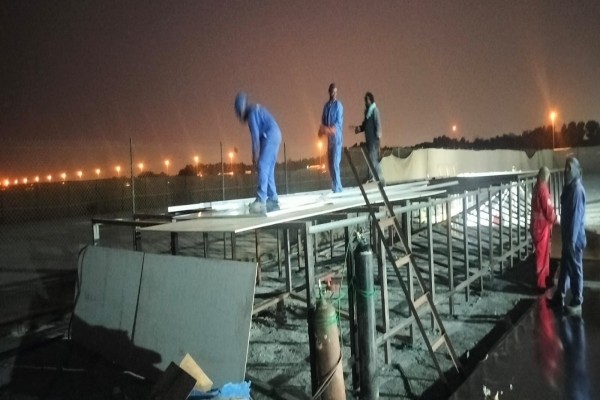

Ship building companies play a central role in shaping the future of global trade and maritime transportation. As international commerce continues to expand, these companies are not only constructing vessels but also driving technological innovation, sustainability, and operational efficiency across the shipping sector. From cargo ships and tankers to offshore support vessels, modern shipbuilders are transforming the maritime landscape through advanced engineering and smart production systems.
The global shipbuilding market was valued at over $130 billion in 2023, and it is projected to grow steadily over the next decade. Since nearly 80% of global trade by volume moves by sea, the demand for modern and efficient vessels remains strong. Shipyards worldwide are handling large order backlogs, reflecting consistent investment in maritime infrastructure and fleet expansion.
Digital Transformation in Modern Shipyards
One of the biggest drivers of innovation in shipbuilding is digitalization. Advanced technologies such as 3D modeling, computer-aided design (CAD), and digital twin systems allow engineers to simulate ship performance before construction even begins. These tools reduce production errors, improve structural accuracy, and shorten delivery timelines.
More than 60% of new vessels are now designed using integrated digital engineering platforms. Robotics and automated welding systems have also become common in modern shipyards, enhancing precision while improving worker safety. Smart shipyards use real-time data tracking to monitor materials, labor efficiency, and project progress.
These digital innovations enable shipbuilders to reduce costs, improve quality control, and deliver highly customized vessels to meet diverse industry needs.
Sustainability and Green Shipbuilding
Environmental regulations are pushing the maritime industry toward cleaner and more energy-efficient vessels. Around 40–45% of new ship orders now include alternative fuel capabilities such as LNG, methanol, or hybrid propulsion systems. These systems significantly lower carbon emissions compared to traditional marine fuels.
Modern vessels are also built with optimized hull designs to reduce water resistance and improve fuel efficiency. Energy-saving technologies, including advanced propellers and waste heat recovery systems, are becoming standard features in newly constructed ships.
Sustainable shipbuilding extends beyond propulsion systems. Many shipyards are implementing environmentally responsible manufacturing practices by minimizing waste, improving recycling processes, and reducing energy consumption within production facilities.
In regions known for strong maritime development, shipbuilding companies in UAE are increasingly focusing on eco-friendly designs and advanced marine technologies to meet international environmental standards.
Advanced Materials and Engineering Innovation
The use of innovative materials has significantly improved vessel performance and durability. High-strength steel, aluminum alloys, and composite materials reduce ship weight while maintaining structural integrity. Lighter vessels consume less fuel and offer greater cargo capacity, making them more economical for operators.
Engineering advancements have also enhanced onboard safety systems, navigation tools, and structural stability. Smart monitoring systems allow real-time tracking of mechanical components, ensuring early detection of maintenance needs. These improvements increase reliability and extend the operational lifespan of vessels.
Similarly, ship manufacturing companies in UAE are adopting modern construction techniques to enhance quality standards and compete in the global market.
Artificial Intelligence and Smart Shipping
Artificial Intelligence (AI) is becoming an essential part of modern shipbuilding and vessel operations. AI-powered systems analyze performance data to optimize routes, reduce fuel consumption, and predict maintenance requirements. Predictive analytics helps shipping companies avoid unexpected breakdowns and reduce operational costs.
Smart shipping solutions integrate onboard sensors with centralized monitoring platforms, enabling fleet managers to make informed decisions based on real-time information. This level of automation increases operational efficiency and enhances maritime safety.
For forward-thinking organizations like VU Marine, combining traditional shipbuilding expertise with digital intelligence represents the future of the industry. By integrating advanced design systems and sustainable engineering practices, VU Marine reflects the direction in which global shipbuilding is heading.
Meeting the Growing Demand for Marine Infrastructure
As global trade expands, demand for specialized vessels continues to grow. Container ships, LNG carriers, offshore supply vessels, and coastal transport ships are all essential components of modern maritime logistics. Shipyards worldwide are responding with innovative designs that improve load capacity, fuel efficiency, and safety.
In addition to vessel construction, marine services in UAE contribute significantly to supporting port operations, offshore activities, and shipping logistics. These services complement shipbuilding efforts and strengthen regional maritime ecosystems.
The global shipbuilding workforce supports millions of jobs directly and indirectly, contributing significantly to national economies. Continuous investment in research and development ensures that the industry remains competitive and capable of meeting future challenges.
The Role of Innovation in Global Competitiveness
Innovation is no longer optional for shipbuilders. Companies must constantly adapt to changing environmental laws, economic pressures, and technological advancements. Automation, smart manufacturing, and sustainable engineering have become essential strategies for maintaining competitiveness.
Globally recognized top shipbuilding companies are investing heavily in research, workforce training, and digital infrastructure to maintain leadership positions in the maritime sector. The integration of robotics, AI, and eco-friendly systems ensures that the next generation of vessels will be more efficient and environmentally responsible.
The Future of Shipbuilding
The future of the shipbuilding industry will be defined by sustainability, automation, and intelligent design. Emerging concepts such as autonomous vessels and hydrogen-powered ships are already being tested, signaling a new era of maritime innovation.
As global supply chains continue to depend on maritime transportation, ship building companies will remain at the forefront of industrial progress. Their ability to integrate advanced technology with sustainable practices will determine how effectively the maritime industry adapts to future challenges.
Companies like VU Marine demonstrate how innovation, quality craftsmanship, and forward-thinking strategies can contribute to a stronger and more resilient maritime sector.
Conclusion
Ship building companies are driving innovation in the global maritime industry through digital transformation, sustainable engineering, advanced materials, and intelligent automation. With global trade heavily reliant on maritime transport, the importance of technological progress in shipbuilding cannot be overstated.
As the industry evolves, companies that invest in modern infrastructure, environmental responsibility, and smart technologies will shape the future of global shipping. Through continuous innovation and commitment to excellence, the maritime sector is moving toward a smarter, greener, and more efficient future.