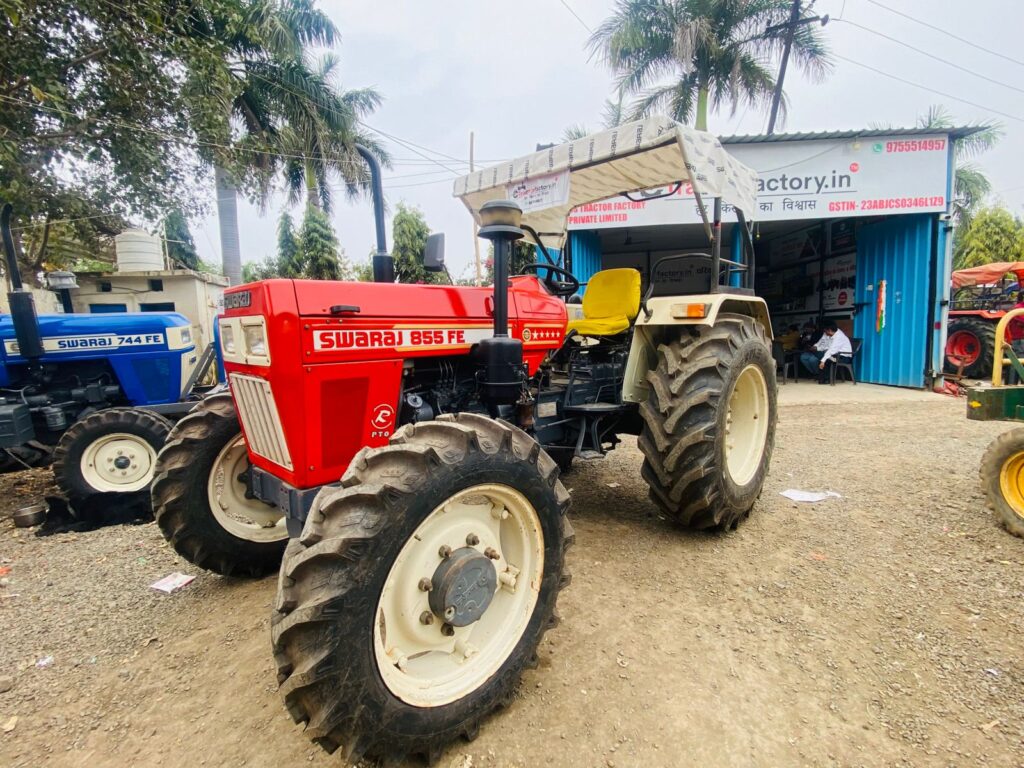

Why a Second Hand Tractor Still Makes Sense on Real Farms
A brand-new tractor looks good in photos. Shiny paint, smooth engine note, no scratches. But farming isn’t a showroom job. It’s dust, mud, long days, and tight margins. That’s where a second hand tractor quietly earns respect. You’re not paying for shine. You’re paying for strength that’s already been tested in real fields. Many farmers don’t need fancy electronics. They need something that starts every morning and pulls without complaint. Used tractors do that, year after year, without asking for much in return.
Experience Teaches You What Actually Matters in a Used Tractor
After spending time around tractors, you stop caring about brochures. What matters is engine sound, clutch feel, and how the gearbox shifts under load. A second hand tractor tells its story if you listen. A clean start without smoke. Steering that doesn’t fight back. Hydraulics that lift steadily, not in jerks. These things don’t show up on spec sheets, but they decide whether your day goes smoothly or turns into frustration.
The Price Difference Is Not Small, It’s Life-Changing
The gap between a new tractor and a second hand tractor is often wide enough to change plans completely. Money saved can go into better implements, seeds, irrigation, or even clearing old debt. Many small and mid-size farmers expand acreage using used tractors because the numbers finally work. You’re not stuck paying EMI for years just to own something new. Instead, you own something useful. That freedom matters more than people admit.
Older Engines Have a Kind of Honesty New Ones Don’t
Modern tractors are impressive, but they rely on sensors, software, and systems that don’t like rough treatment. Older second hand tractors are mechanical at heart. Fewer electronics. More iron. If something goes wrong, a local mechanic can fix it with tools, not laptops. That simplicity keeps farms running during peak seasons when downtime costs more than money. There’s comfort in knowing your tractor won’t shut down because of a tiny sensor fault.
Availability of Spare Parts Keeps Old Tractors Alive
One reason second hand tractors survive decades is spare parts. Popular models from trusted brands have parts available everywhere. You walk into a local shop and find what you need. No waiting weeks. No special orders. This keeps repair costs predictable. Farmers don’t panic when something breaks. They fix it and move on. That reliability builds trust, not just in the machine, but in the decision to buy used.
A Used Tractor Fits Small and Mixed Farming Better
Not every farm needs high horsepower. Small fields, orchards, and mixed cropping benefit more from nimble, lighter tractors. Many second hand tractors fall into this sweet spot. They’re easy to maneuver, fuel-efficient, and less aggressive on soil. For farmers who rotate crops or work in tight spaces, used tractors often fit better than oversized new models designed for large-scale operations.
What Wear Actually Tells You About a Tractor’s Past
Scratches and faded paint don’t scare experienced buyers. They look deeper. Uneven tire wear can hint at alignment issues. A worn clutch pedal may suggest heavy tillage work. These clues help you judge how the tractor lived its life. A well-maintained second hand tractor often shows gentle wear, not neglect. Regular oil changes leave their mark in engine health, not appearance. Learning to read these signs saves money and regret.
Fuel Efficiency Often Improves After Break-In Years
Engines loosen up with age. Many second hand tractors deliver steady fuel efficiency once they’re past early life stiffness. They don’t demand premium fuel or complicated additives. In daily work, this consistency matters. You know how much diesel a job will take. That predictability helps plan costs across the season. It’s one less surprise in a business already full of variables.
Second Hand Tractors Carry Less Emotional Pressure
A new tractor makes you cautious. Every scratch hurts. Every dent feels expensive. With a used tractor, you work freely. You focus on the field, not the paint. That mental ease improves productivity. Farming is demanding enough without worrying about cosmetic damage. Second hand tractors encourage work-first thinking. Tools should be used, not protected like trophies.
Local Resale Value Stays Strong for Popular Models
Well-known second hand tractor models hold value. Even after years of use, there’s demand. This creates flexibility. If you need to upgrade later, you’re not stuck. The tractor you bought used can often be sold without heavy loss. In some cases, prices rise due to demand and limited supply. That stability reduces risk, especially for farmers testing new ventures.
Learning on a Used Tractor Builds Better Skills
New operators often make mistakes. Gear grinding. Rough clutch use. Missed maintenance schedules. It’s easier to learn on a second hand tractor without fear. You build mechanical sympathy. You understand how machines respond under stress. These lessons carry forward when you eventually upgrade. Starting with used equipment builds confidence grounded in reality, not fear of damaging something expensive.
Insurance and Registration Are Simpler on Used Machines
Insurance costs are lower. Paperwork is easier. You’re not dealing with complex financing structures or strict usage terms. A second hand tractor feels like yours from day one. That sense of ownership matters. It changes how you plan work and investments. You’re not just paying for a machine. You’re using it fully.
Seasonal Work Demands Practical Choices, Not Perfect Ones
During harvest or land preparation, timing matters more than perfection. A dependable second hand tractor that starts every morning beats a new one waiting for service. Farmers value uptime. Used tractors that have proven reliability often outperform newer machines burdened by warranty restrictions and service delays. Real-world performance wins over promises.
Inspecting a Second Hand Tractor Is a Skill Worth Learning
Take your time. Start cold. Listen. Drive it under load if possible. Check oil color. Look for leaks, not just today but old stains. Ask questions and observe reactions. Sellers reveal more than they intend. This process isn’t rushed. A good second hand tractor will stand up to inspection without excuses.
Second Hand Tractors Support Sustainable Farming Choices
Reusing machines reduces manufacturing demand and resource use. While farmers don’t always frame decisions as environmental, the impact exists. Keeping a tractor running for decades is efficient in ways spreadsheets don’t capture. Sustainability isn’t always about new technology. Sometimes it’s about using what already works, properly and respectfully.
The Emotional Value of a Trusted Old Machine
Some tractors become part of the family story. They plow the first field, support early harvests, and survive tough years. A second hand tractor often comes with history, and then adds your own. That connection builds pride. It’s not nostalgia. It’s respect earned through work.
Choosing Used Is Often the Smarter Business Move
Farming rewards patience and observation. Second hand tractors fit that mindset. They aren’t rushed purchases. They’re deliberate choices. You trade novelty for function. Image for outcome. Many successful farmers quietly rely on used machines while others chase trends. The results speak for themselves.
When a Second Hand Tractor Becomes the Backbone of the Farm
Over time, the tractor proves itself. Starts in winter. Pulls in summer. Handles unexpected tasks without drama. That reliability builds trust. You plan around it. Depend on it. And eventually, you stop thinking of it as “second hand.” It’s just your tractor. And that’s the point.
Final Thoughts From the Field, Not the Office
A second hand tractors isn’t a compromise. It’s a decision shaped by experience. By long days and tighter budgets. By knowing what matters and what doesn’t. For many farmers, it’s the most honest machine they’ll ever own. It works. It lasts. And it keeps the farm moving forward, one steady pass at a time.