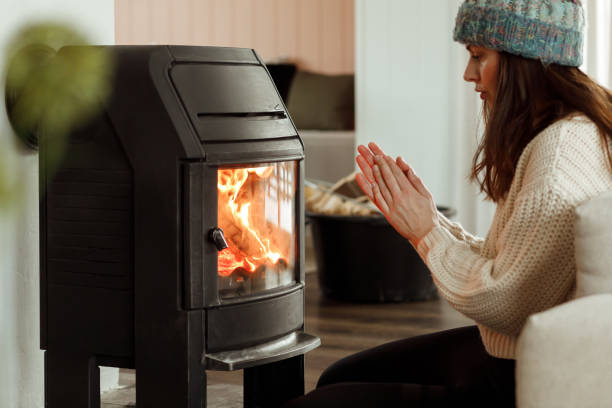

Having a fire pit can transform your outdoor space into a cozy retreat, and in Tasmania’s cool climate, it’s easy to see why more homeowners are choosing ethanol fire pits as a stylish and eco‑friendly alternative to traditional wood or gas models. But while ethanol fire pits Tasmania are beautiful and convenient, they require careful handling and regular maintenance to ensure both safety and longevity.
In this comprehensive guide, we’ll walk you through everything you need to know about safe operation, practical maintenance, common mistakes to avoid, and best practices for enjoying your ethanol fire pit year‑round in Tasmania.
Why Choose Ethanol Fire Pits in Tasmania?
Before diving into safety tips and maintenance, it’s worth understanding what makes ethanol fire pits an appealing choice for Tasmanian homes:
-
Clean Burning: Unlike wood, ethanol fuel burns cleanly with minimal smoke, soot, or ash—ideal for residential areas and enclosed outdoor spaces.
-
Environmentally Friendly: Ethanol is a renewable fuel produced from plant‑based sources.
-
Easy to Use: With no need for gas lines or complex installation, ethanol fire pits offer plug‑and‑play convenience.
-
Aesthetic Appeal: The real flame provides ambience without the mess of wood logs.
However, with all fire features—especially ones using liquid fuel—comes responsibility. Tasmania’s often windy conditions and cooler weather can affect flame behaviour, so understanding safe operation and maintenance is essential.
Understanding Ethanol Fire Pit Components
Most ethanol fire pits consist of three main parts:
-
Burner/Burner Insert: A container made of stainless steel or other heat‑resistant metals where ethanol fuel is poured and ignited.
-
Fuel (Ethanol): Usually sold as denatured alcohol in cans or bottles.
-
Housing and Surround: A decorative case made of stone, steel, ceramic, or concrete.
Knowing how each component works together helps you maintain the fire pit properly and reduces fire hazards.
Important Safety Tips for Ethanol Fire Pits in Tasmania
1. Select the Right Location
-
Always set up your ethanol fire pit on a stable, fire‑resistant surface such as stone, concrete, or pavers.
-
Avoid placing the fire pit beneath low overhangs, awnings, trees, or near flammable structures.
-
Keep it well clear of wind tunnels and sharp gusts that can redirect flames or blow ethanol vapour.
2. Use Only Approved Ethanol Fuel
-
Never substitute other fuels such as petrol, kerosene, or other flammable liquids.
-
Use high‑quality ethanol fuel designed for fire pits. Lower quality fuel can burn hotter or unevenly and generate more vapour.
-
Check the fuel’s ethyl alcohol concentration—70–95% is standard for fire pits.
3. Fill Fuel Safely and Sparingly
-
Never pour fuel directly on an open flame. Always extinguish the fire and allow the burner to cool completely.
-
Only fill the burner to the recommended level—overfilling may lead to spillovers and flare‑ups.
-
Store ethanol fuel in a cool, ventilated space away from heat sources.
4. Light It Safely
-
Use a long fire‑lighter or match to minimise the risk of burns.
-
Stand back when igniting, as ethanol flames can be almost invisible in daylight.
-
Never lean over the fire pit while lighting.
5. Supervise at All Times
-
Alcohol‑based fires can flare unexpectedly. Never leave your ethanol fire pit unattended while burning.
-
Keep children and pets at a safe distance.
-
Avoid wearing loose clothing that could accidentally come into contact with flames.
6. Extinguish Properly
-
Cover the burner with the designated flame‑quenching lid or use a snuffer tool to starve the fire of oxygen.
-
Do not pour water on the fire. Water reacts violently with burning ethanol and can spread flames.
-
Wait for the pit to cool before touching or refuelling.
7. Be Mindful of Weather Conditions
Tasmania is known for variable weather, especially wind:
-
Strong winds can blow flames or heat toward flammable objects.
-
Rain may cool the burner rapidly, but adding ethanol fuel to a damp burner can cause dangerous reactions.
-
If winds are gusty (above 25–30 km/h), consider postponing use.
8. Understand Legal and Insurance Requirements
Some local councils and strata rules in Tasmania may have fire safety guidelines for outdoor fire features:
-
Check local regulations regarding open flames and outdoor heating appliances.
-
Inform your home insurance provider if you install a permanent or semi‑permanent fire feature.
Maintenance Guide for Ethanol Fire Pits
Proper maintenance not only prolongs the life of your fire pit but also prevents safety hazards. Here’s how to keep your ethanol fire pit in Tasmania in top condition.
1. Regular Cleaning
-
After every few uses, wipe down the burner with a damp cloth to remove soot and residue.
-
Use a mild detergent and warm water for stubborn spots.
-
Avoid abrasive cleaners or steel wool, which can scratch stainless steel or burners.
2. Inspect the Burner and Components
-
Periodically check for corrosion, rust, or damage.
-
Look for warping around the burner edges.
-
Replace worn parts immediately—never operate a fire pit with damaged components.
3. Protect Against Moisture and Rust
Tasmania’s coastal climate can accelerate corrosion:
-
Cover the fire pit with a weather‑resistant cover when not in use.
-
Use rust‑inhibiting sprays on metal parts if they are prone to corrosion.
-
Store portable fire pits inside during rainy or winter periods.
4. Check Fuel Quality
Over time, ethanol fuel can degrade:
-
Never use ethanol fuel that has been open and stored for more than a few months.
-
Old fuel can have impurities that affect burning efficiency and safety.
5. Maintain the Surrounding Area
-
Regularly clear debris (leaves, paper, twigs) that may collect around and under the fire pit.
-
Keep furniture, fabric, and flammable materials at least 1.5–2 metres away.
6. Annual Deep Maintenance
Once a year:
-
Deep clean the entire unit, including burner wells and housing.
-
Replace any gaskets or seals.
-
Test any components such as control knobs or closure plates for smooth operation.
Common Mistakes to Avoid
Using Non‑Approved Fuels
One of the most frequent errors is using fuel that isn’t designed for ethanol fire pits. Always stick to recommended fuel types.
Refuelling Hot Burners
Pouring fuel into a hot burner can cause vapour explosions. Always wait until the unit has cooled completely—even if it takes longer than expected.
Ignoring Wind Conditions
Tasmania’s winds can be particularly strong near coastal areas. Ignoring weather conditions can result in unpredictable flames or heat damage to surfaces.
Leaving Fire Unattended
Even small flames are dangerous. Never leave an ethanol fire pit operating without someone supervising.
Enhancing Outdoor Enjoyment with Ethanol Fire Pits Tasmania
When used correctly, ethanol fire pits Tasmania provide a safe, stylish, and relatively clean way to enjoy outdoor fires. Here are a few bonus tips for enhancing your experience:
-
Add Seating at Safe Distance: Arrange seating so guests can enjoy the ambience without being too close to heat.
-
Install Wind Breaks: A glass screen or partial pergola can protect the flame from strong gusts while adding an elegant look.
-
Use Fire‑Safe Accessories: Heat‑resistant mats, tongs, and fuel can holders make handling safer and more efficient.
-
Create a Lighting Scheme: Combine soft lighting around the fire pit area for a welcoming atmosphere.
Conclusion
Owning an ethanol fire pit in Tasmania elevates your outdoor space, adding warmth and ambience to gatherings all year round. But with that beauty comes the responsibility of understanding safe operation, weather‑related risks, and proper maintenance.
By following the safety tips and maintenance guidelines outlined above, you’ll ensure your fire pit remains a safe and enjoyable feature of your home—contributing warmth, charm, and comfort to the Tasmanian outdoors for years to come.
Whether you’re relaxing on a cool autumn evening or hosting a lively get‑together, ethanol fire pits offer a perfect balance of convenience and style—when cared for and used responsibly.