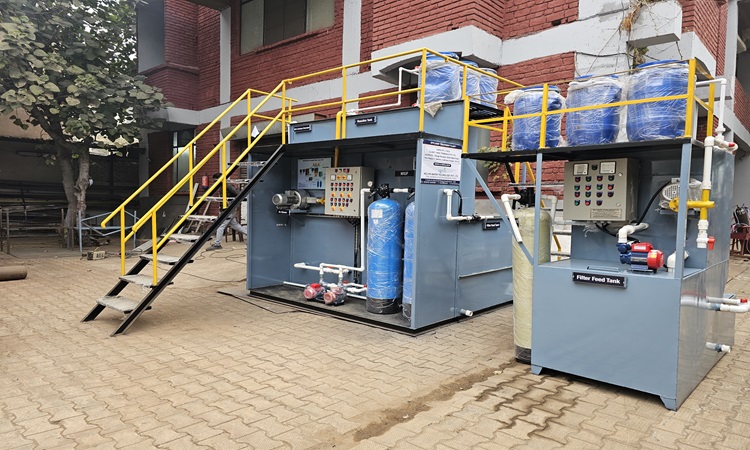

Effluent Treatment Plants (ETPs) play an essential role in keeping our environment clean, industries compliant, and operations sustainable. As industrialization grows rapidly across India, the volume of liquid waste discharged from factories, processing units, and commercial establishments continues to rise. Without proper wastewater treatment, harmful contaminants can enter rivers, lakes, soil, and groundwater—leading to severe ecological damage, legal penalties, and public health hazards.
This is where Effluent Treatment Plants come into action. Designed to treat industrial wastewater before safely discharging or reusing it, ETPs help businesses meet pollution control norms and support long-term sustainability goals.
What Is an Effluent Treatment Plant?
An Effluent Treatment Plant is a specialized wastewater treatment system that removes pollutants such as oil, grease, heavy metals, chemicals, toxic substances, suspended solids, and organic impurities from industrial effluent. These contaminants vary depending on the industry, which is why ETPs are customized for each application.
ETPs ensure treated water meets CPCB and SPCB discharge norms, safeguarding the environment while protecting industries from legal and operational risks.
Why Industries Need an Effluent Treatment Plant?
Industries in India are mandated by Pollution Control Boards to install efficient wastewater treatment systems. The major reasons include:
- Legal Compliance
Pollution regulations in India, including the Water (Prevention and Control of Pollution) Act, strictly monitor industrial wastewater discharge. ETPs help industries comply with these norms.
- Environmental Protection
Untreated wastewater contains chemicals, salts, toxic contaminants, dyes, and harmful microorganisms. ETPs prevent these pollutants from degrading natural ecosystems.
- Reuse & Recycling Opportunities
Treated water can be reused for gardening, cooling towers, flushing, and various industrial processes—reducing freshwater demand.
- Cost Savings
Avoiding penalties, reducing freshwater consumption, and reusing resources results in significant operational savings.
- Enhanced Brand Image
Environmentally responsible companies earn greater trust, visibility, and long-term customer loyalty.
How an Effluent Treatment Plant Works: Step-by-Step Process?
- Preliminary Treatment
In this stage, large solids such as plastics, stones, rags, and sand are removed through:
- Bar screens
- Grit chambers
- Oil & grease traps
This prevents damage to downstream equipment.
- Primary Treatment
Here, physical and chemical processes remove suspended solids and floating matter. Key systems include:
- Coagulation & flocculation
- Sedimentation tanks
- Clarifiers
Chemicals like alum, lime, or polymers help impurities settle at the bottom.
- Secondary (Biological) Treatment
Microorganisms play a crucial role in breaking down organic pollutants. Various biological systems include:
- Activated sludge process
- MBBR (Moving Bed Biofilm Reactor)
- SBR (Sequencing Batch Reactor)
- Aeration tanks
- Trickling filters
The goal is to reduce BOD (Biochemical Oxygen Demand) and COD (Chemical Oxygen Demand).
- Tertiary Treatment
This advanced purification stage aims to polish the treated water. Techniques include:
- Sand filtration
- Activated carbon filtration
- UF/RO membranes
- Disinfection (UV, ozone, chlorine)
- Sludge Treatment
Solids collected during treatment are processed through:
- Thickening
- Dewatering
- Drying
- Safe disposal
Types of Effluent Treatment Plants in India
- Chemical ETP
Used when wastewater contains heavy metals, dyes, acids, or toxic chemicals.
- Biological ETP
Ideal for food processing, textiles, pharmaceuticals, and organic-rich effluent.
- Zero Liquid Discharge (ZLD) Systems
A highly advanced solution where 100% wastewater is recovered and reused using RO, MEE, and evaporators.
- Hybrid ETP Systems
Combination of chemical, physical, and biological treatment for complex effluents.
Key Industries That Use Effluent Treatment Plants
- Textile & dyeing units
- Chemical and pharma industries
- Food & beverage plants
- Leather & tannery units
- Automotive & engineering industries
- Oil & refinery plants
- Paper & pulp mills
- Hospitals & laboratories
Components of a Modern Effluent Treatment Plant
A standard ETP consists of:
- Collection tank
- Equalization tank
- Flash mixer
- Flocculator
- Primary clarifier
- Aeration tank
- Tube settlers
- Secondary clarifier
- Pressure sand filter
- Activated carbon filter
- Disinfection unit
- Sludge drying bed
- Chemical dosing systems
- Pumps, blowers & instrumentation
Benefits of Installing an ETP
- Regulatory Compliance
Ensures industries meet discharge standards set by authorities.
- Resource Optimization
Reduces freshwater usage by enabling water reuse.
- Cost Reduction
Lower operational costs and avoidance of penalties.
- Environmentally Safe Operations
Prevents contamination of natural resources.
- Improved Efficiency
Cleaner processes and reduced downtime.
- Better Corporate Image
Eco-friendly operations elevate brand value.
Latest Trends in Effluent Treatment Systems
Industrial water treatment is evolving rapidly. Emerging trends include:
- AI-based monitoring and automation
- Energy-efficient aeration systems
- MBBR and SBR replacing conventional ASP
- ZLD and water recycling systems
- Compact, containerized ETP solutions
Conclusion
Effluent Treatment Plants are a critical part of sustainable industrial growth. With increasing environmental guidelines, water scarcity, and rising pollution concerns, the need for effective wastewater treatment has become more important than ever. A well-designed ETP not only protects the environment but also helps industries save costs, reuse water, and maintain regulatory compliance.
Industries that invest in advanced ETP systems position themselves for long-term success, operational efficiency, and environmental responsibility. As India continues its journey toward a greener future, efficient wastewater treatment remains a cornerstone of sustainable development.