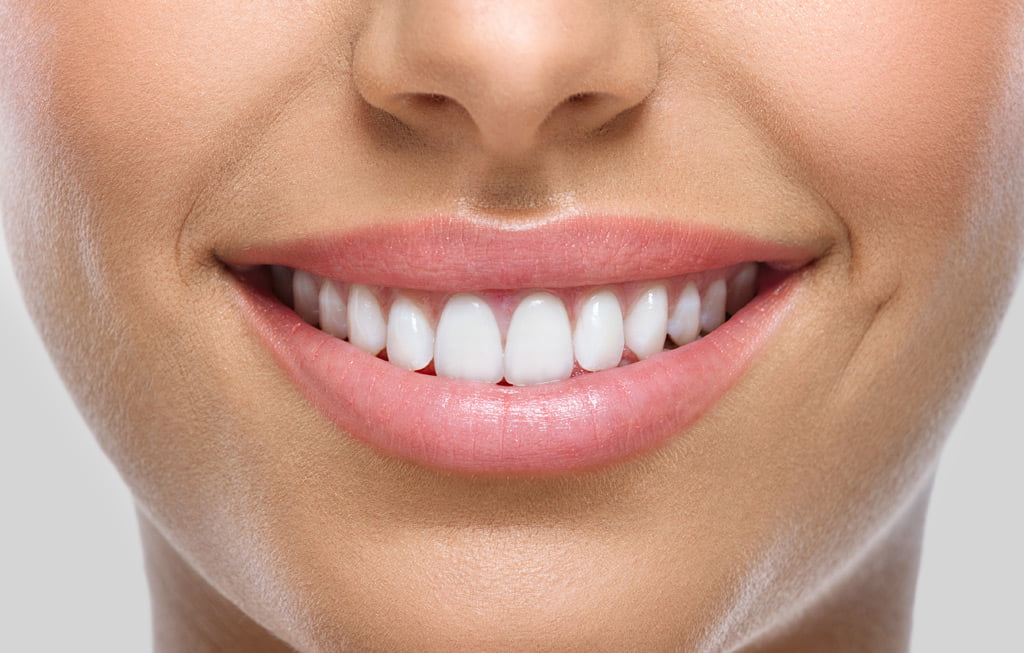

A smile is often described as a universal language, but for many, dental issues like missing teeth, severe decay, or persistent jaw pain can make sharing that smile feel impossible. If you are struggling with extensive dental damage that affects your ability to eat, speak, or feel confident, full mouth rehabilitation treatment might be the comprehensive solution you need.
Unlike a single filling or a routine cleaning, full mouth rehabilitation (often called full mouth reconstruction) is a transformative process that rebuilds every tooth in both the upper and lower jaws. It is the gold standard for restoring not just the beauty of your smile, but the essential function of your entire mouth.
What is Full Mouth Rehabilitation?
Full mouth rehabilitation is a personalized journey. It combines various restorative, cosmetic, and neuromuscular procedures to correct a wide range of issues, including:
-
Multiple Missing Teeth: Whether due to decay, trauma, or age.
-
Severely Worn Teeth: Often caused by long-term bruxism (teeth grinding) or acid erosion.
-
Bite Misalignment: Which can lead to chronic jaw pain or TMJ (temporomandibular joint) disorders.
-
Advanced Gum Disease: Addressing the foundation of your oral health before restoring the teeth themselves.
The goal is to create a “harmonious” mouth where the teeth, gums, and jaw muscles work together perfectly.
The Roadmap to a New Smile
Undergoing a full reconstruction is a multi-step process that requires careful planning and specialized expertise.
-
Comprehensive Evaluation: Your dentist will use advanced diagnostics—such as 3D CBCT scans, digital X-rays, and intraoral photos—to create a digital map of your mouth.
-
Customized Treatment Plan: No two rehabilitation plans are the same. Based on your unique needs, your dentist will recommend a combination of treatments. This could include dental implants for missing teeth, porcelain crowns for strength, or veneers for aesthetic perfection.
-
Preparatory Phase: This involves treating any active infections, performing root canals if necessary, or conducting gum therapy to ensure a healthy base.
-
Restorative Phase: This is where the actual rebuilding happens. Using high-quality materials like Zirconia or E-max ceramic, your new teeth are crafted to look and feel natural.
-
Final Adjustment: The last step ensures your bite is perfectly aligned, preventing future wear and tear.
Why Choose Local Expertise?
For residents in East Bangalore, accessing high-quality dental care is more convenient than ever. If you are seeking full mouth rehabilitation treatment in jeevan bima nagar, you have access to a hub of experienced prosthodontists and implantologists. Areas like Jeevan Bima Nagar and nearby Indiranagar are home to clinics equipped with CAD/CAM technology, which allows for faster and more precise dental work.
Choosing a local specialist means you can easily attend the multiple follow-up appointments required for such a complex procedure. It also ensures that any minor adjustments needed during the healing phase are just a short drive away.
Understanding the Investment
The cost of full mouth rehabilitation is influenced by several factors:
-
Case Complexity: The number of teeth requiring treatment and the state of your jawbone.
-
Material Selection: Premium options like Zirconia or titanium implants offer the longest lifespan and most natural look.
-
Advanced Techniques: Procedures like “All-on-4” or “All-on-6” implants provide a full set of fixed teeth with fewer surgical sites, often proving more cost-effective in the long run.
In India, the cost for a full arch rehabilitation can range from ₹1,50,000 to over ₹6,00,000 depending on these variables. While it is a significant investment, it is one that pays dividends in quality of life, oral health, and self-esteem for decades.
Conclusion
Full mouth rehabilitation is more than just “fixing teeth”; it is about restoring your ability to enjoy a meal without pain and laugh without hesitation. By choosing a dedicated professional who uses modern technology, you can turn a lifetime of dental struggles into a future of confident smiles.
Frequently Asked Questions
1. How long does the entire treatment take? Depending on the complexity, the process can take anywhere from a few weeks (for simple restorations) to several months if dental implants and bone grafting are involved, as these require healing time.
2. Is the procedure painful? Modern dentistry uses advanced local anesthesia and sedation options to ensure the process is as comfortable as possible. Most patients report only minor soreness during the recovery phases.
3. Will the results look natural? Yes. Modern materials like translucent ceramics allow dentists to match the exact shade and texture of natural teeth, ensuring your new smile looks completely authentic.
4. How do I maintain my rehabilitated smile? Treat your new teeth like natural ones! Regular brushing, flossing, and professional cleanings every six months are essential. If you grind your teeth, your dentist will likely recommend a custom night guard to protect your investment.
5. Am I too old for full mouth rehabilitation? Age is rarely a barrier. As long as your overall health is stable and you have sufficient bone density (which can often be improved with grafting), you can be a candidate for this life-changing treatment.