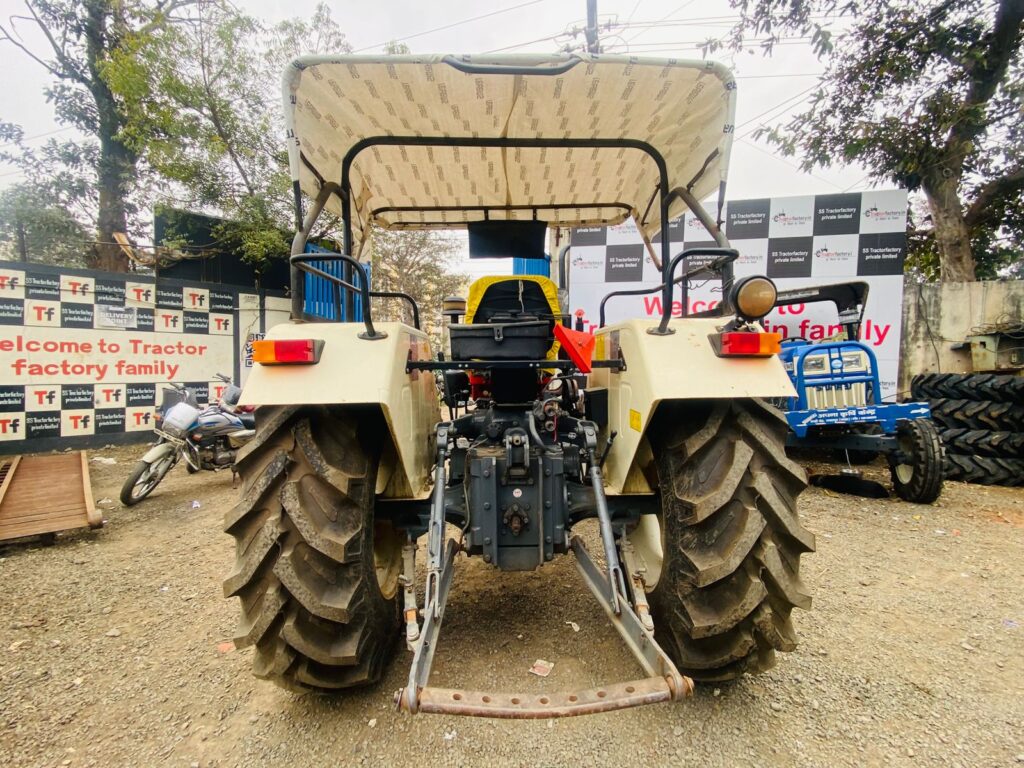

There’s something about a purana tractor that a brand-new machine just can’t match. Maybe it’s the sound — that deep, slightly uneven engine thump — or maybe it’s the way it still manages to pull through a tough field even after decades of work. I’ve spent enough time around old tractors to know one thing: they don’t quit easily. And honestly, they don’t pretend to be perfect either.
You won’t find glossy finishes or digital displays here. What you get instead is character… and a whole lot of experience built into metal.
Let’s talk about it properly.
Why Purana Tractor Still Matters in Indian Farming
A lot of people assume old tractors are outdated. But step into a real farm, especially in smaller towns or villages, and you’ll see a different story.
A purana tractor isn’t just a machine — it’s a working partner. Farmers trust it because they know how it behaves. They’ve fixed it themselves, adjusted its quirks, and learned its limits. That familiarity matters more than fancy features.
In places where budgets are tight, buying a used tractor in India makes practical sense. Not everyone wants to take a loan for a new model. And honestly, for basic farming tasks like ploughing or hauling, an older machine does the job just fine.
Sometimes even better.
The Feel of Driving an Old Tractor
If you’ve never driven one, it’s hard to explain.
Modern tractors feel smooth, controlled, almost too easy. But a purana tractor? It demands attention. The steering is heavier, the gear shifts need a bit of timing, and the clutch… well, let’s just say your left leg will remember it.
But that’s where the connection builds.
You start noticing small things — the way the engine sound changes under load, the slight vibration when it’s running perfectly, or that odd noise that tells you something needs tightening. It’s not just driving. It’s listening.
Maintenance Is Not a Burden — It’s a Habit
People often say old tractors require too much maintenance. That’s partly true… but also a bit misleading.
With a second hand tractor, maintenance becomes part of your routine. You check the oil more often. You tighten bolts. You clean filters yourself instead of waiting for service centers.
And over time, you actually enjoy it.
There’s a certain satisfaction in fixing your own machine. No waiting, no big bills — just a few tools and some patience. Plus, spare parts for many older models are still widely available in local markets, especially in rural areas.
Cost Advantage That’s Hard to Ignore
Let’s be real — price matters. A lot.
A brand-new tractor can cost anywhere from several lakhs upward. On the other hand, a purana tractor can be bought at a fraction of that price. For small farmers or those just starting out, this difference is huge.
Even if you spend a bit on repairs or upgrades, the total cost usually stays lower than buying new.
And here’s something people don’t talk about much — depreciation. A new tractor loses value quickly. But an old tractor? It has already taken that hit. What you buy is what it’s worth.
Strength That Comes From Simplicity
Old tractors were built differently. Not necessarily better in every way, but definitely tougher in some aspects.
They don’t rely on complicated electronics. Most systems are mechanical, which means fewer chances of sudden failures. If something breaks, it’s often visible and fixable.
That’s why many farmers still prefer an old tractor for farming in rough conditions. Mud, heat, dust — these machines handle it without much complaint.
The Emotional Side No One Talks About
This might sound a bit strange, but old tractors carry memories.
I’ve seen farmers who refuse to sell their purana tractor even when they can afford a new one. Not because they need it, but because it’s part of their story.
It might be the first tractor they ever bought. Or maybe it helped them through tough years. Every scratch, every repair, every long day in the field — it all adds up.
You can’t replace that with something fresh from a showroom.
Things to Check Before Buying a Purana Tractor
Now, not every old tractor is a good deal. Some are… well, better left alone.
If you’re planning to buy one, pay attention to a few things:
Start with the engine. It should start without too much struggle. A little smoke is normal, but excessive black or blue smoke is a warning sign.
Check the gearbox. Shifting should feel firm, not loose or noisy.
Look at the tyres. Worn tyres aren’t a deal-breaker, but they do add to your cost.
Hydraulics matter too, especially if you’re using implements. Make sure they lift properly and don’t leak.
And one small tip — talk to the previous owner. You’ll learn more from that conversation than from any inspection.
Why Some Farmers Still Choose Old Over New
It’s not always about money. Sometimes it’s about control.
With a purana tractor, you’re not dependent on service centers or software updates. You understand the machine. You know how to fix it, adjust it, even push it beyond its limits when needed.
There’s also less fear. You don’t worry about minor scratches or dents. It’s already been through years of work — one more mark doesn’t matter.
That freedom is underrated.
The Role of Purana Tractor in the Resale Market
The demand for second hand tractor models is surprisingly strong. In fact, there’s a growing market around it.
Farmers upgrade and sell their old machines, while others buy them as affordable options. It creates a cycle where these tractors keep moving from one farm to another, continuing their work.
Some dealers even specialize in refurbishing old tractors — repainting them, fixing engines, replacing parts — and selling them in near-ready condition.
So, these machines don’t just fade away. They stay in the system.
Small Upgrades That Make a Big Difference
You don’t have to keep everything original.
Many farmers make small upgrades to their purana tractor — better seats, improved lights, stronger batteries, or even modified exhausts. These changes don’t cost much but improve comfort and performance.
I’ve even seen people add mobile holders or small shade covers for long hours in the sun.
Nothing fancy. Just practical improvements that make daily work easier.
Conclusion: Not Perfect, But Real
A purana tractor isn’t perfect. It rattles sometimes. It demands attention. It may even test your patience on a bad day.
But it’s real.
It works hard, just like the people who use it. It doesn’t rely on technology to prove its worth — it shows it in the field, season after season.
And maybe that’s why it still holds value, even in a world that’s constantly chasing the next new thing.
If you’ve ever spent time with one, you’ll understand. If not… well, one day in the field might change your mind.