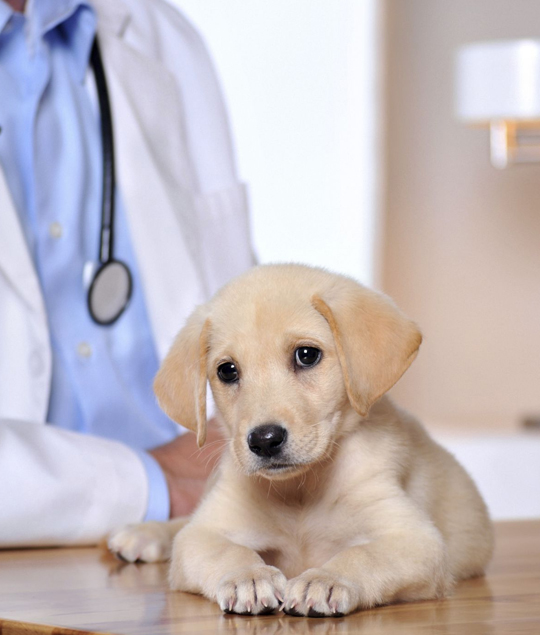

Your dog will need different care at every stage of life. A trusted dog vet hospital guides you through each one with clear plans and timely treatment. From early vaccines to senior pain control, the right support protects your dog’s health and your peace of mind.
You want fewer surprises and fewer emergency visits. Smart, steady care makes that possible.
Start Strong With Puppy Wellness Care
The first year shapes your dog’s future health. Growth moves fast. So do risks.
Puppies need:
- Core vaccinations to prevent common diseases
- Deworming and parasite control
- Nutrition advice for steady growth
- Early dental checks
- Behavior guidance and social advice
Vaccines protect against serious infections. Parasite prevention guards against worms, fleas, and ticks. A simple stool test can reveal hidden threats.
You also need clear feeding advice. Too much food strains joints. Too little slows growth. A balanced diet builds strong bones and a steady immune system.
Routine exams catch heart murmurs, joint issues, or skin problems early. Early action saves stress and cost later.
Preventive Care at a Dog Veterinary Hospital
Preventive care reduces risk. It keeps small problems from growing.
At a full-service dog veterinary hospital, preventive care includes physical exams, lab tests, and tailored vaccine schedules. Bloodwork can spot organ issues before symptoms appear. Urine tests can show early kidney changes.
Dental care matters more than many owners realize. Tartar leads to gum disease. Gum disease can harm the heart and kidneys. Regular cleanings protect more than teeth.
Weight checks also matter. Obesity shortens life and increases joint pain. A simple body score check keeps your dog on track.
Preventive care costs less than emergency surgery. It also spares your dog pain.
When Illness or Injury Strikes
Even with great care, illness happens. Dogs hide pain well. You must watch for small changes.
Look for:
- Loss of appetite
- Vomiting or diarrhea
- Limping
- Coughing
- Sudden behavior changes
Quick action makes a difference. Modern veterinary hospitals use in-house lab tests, digital X-rays, and ultrasound imaging. These tools speed diagnosis and guide treatment.
Accurate diagnosis leads to focused care. That may mean medication, fluid therapy, or surgery. Each step should have a clear goal.
Hospitalization allows close monitoring. Staff can check vital signs, adjust medication, and respond fast to changes.
You want skilled hands and calm decisions during these moments. Preparation matters long before a crisis.
Surgical Care and Recovery Support
Many dogs need surgery at some point. Spay and neuter procedures are common. So are lump removals and orthopedic repairs.
Safe surgery depends on:
- Pre-anesthetic blood testing
- Modern anesthesia monitoring
- Sterile surgical rooms
- Pain control plans
Pain control is not optional. It speeds healing and reduces stress. A strong recovery plan includes rest, medication schedules, and follow-up exams.
Clear discharge instructions help you avoid setbacks. You need to know when to limit activity and when to return for a check.
Surgery feels stressful. A structured plan reduces fear for you and your dog.
Emergency and Critical Care Services
Some problems cannot wait. Poison exposure, trauma, or breathing distress require fast response.
Emergency teams focus on stabilization first. They secure airways, control bleeding, and support circulation. Then they run tests to find the cause.
Continuous monitoring saves lives. Heart rate, oxygen levels, and blood pressure must stay stable.
A well-equipped hospital offers critical care cages, IV pumps, and advanced imaging. These tools improve survival during severe illness.
You never plan for emergencies. You prepare for them.
Managing Adult Health With a Dog Veterinary Hospital
Adult dogs often look healthy. Hidden issues may still develop.
A yearly wellness exam is the minimum. Large breeds or at-risk dogs may need more frequent visits.
During these visits, your veterinarian checks:
- Heart and lung sounds
- Joint flexibility
- Skin and coat health
- Weight trends
- Dental status
Blood tests create a baseline. Baselines help detect subtle changes later.
This stage also focuses on lifestyle. Exercise advice protects joints. Diet plans maintain lean muscle. Parasite prevention stays consistent.
Routine care builds a health record. That record guides future decisions.
Senior Dog Care: Comfort and Quality of Life
Aging brings change. Slower walks. Stiff joints. Cloudy eyes.
Senior dogs benefit from exams every six months. Organs age quietly. Regular bloodwork tracks kidney and liver health.
Arthritis becomes common. Pain relief improves mobility and mood. Joint supplements and weight control reduce strain.
Cognitive changes may appear. Confusion, pacing, or sleep shifts signal brain aging. Early support can slow decline.
Dental disease often worsens with age. Infection spreads beyond the mouth. Treatment restores comfort and appetite.
End-of-life care also matters. You need honest guidance and compassion during hard choices. Clear communication builds trust.
Holistic and Supportive Therapies
Some dogs benefit from integrative care. Acupuncture can ease chronic pain. Nutritional therapy supports immune strength.
Rehabilitation exercises improve mobility after injury. Weight management lowers joint stress.
Holistic options do not replace medical treatment. They support it. The goal stays simple: better quality of life.
A balanced plan blends science with supportive therapies. Each step should have a clear purpose.
Why Lifelong Care Protects Your Dog
Dogs age faster than humans. A seven-year-old dog may already be a senior. Waiting for symptoms often means late treatment.
A proactive plan offers:
- Early disease detection
- Lower long-term costs
- Less pain and fewer emergencies
- Longer, stronger years
You want more good days with your dog. Consistent care makes that possible.
Trust builds over time. A steady relationship with your care team helps them know your dog’s normal patterns. That knowledge improves decisions during illness.
Give Your Dog a Strong Future
Your dog depends on you for steady, informed choices. A reliable dog vet hospital supports you from puppy vaccines to senior comfort care. Each stage demands attention, skill, and planning.
If you want care that covers wellness, diagnostics, surgery, emergency support, and long-term health planning, choose a team that values prevention and precision. Many families trust Silverado Veterinary Hospital for that complete approach. Your next step is simple.Visit us and take control of your dog’s lifelong health today.
Common Questions About Veterinary Care
- How often should I visit a dog vet hospital?
Puppies need frequent visits in the first year. Adults need yearly exams. Seniors benefit from visits every six months. - What is the difference between a clinic and a dog veterinary hospital?
Hospitals often offer advanced diagnostics, surgery suites, and in-patient care. Clinics may focus on routine visits. - When is emergency care necessary?
Seek help for breathing trouble, severe vomiting, seizures, trauma, or sudden weakness. - Are dental cleanings really needed?
Yes. Dental disease can damage organs and shorten life. Regular cleaning protects overall health. - How can I reduce long-term medical costs?
Stay consistent with preventive care. Early detection avoids costly advanced treatment.