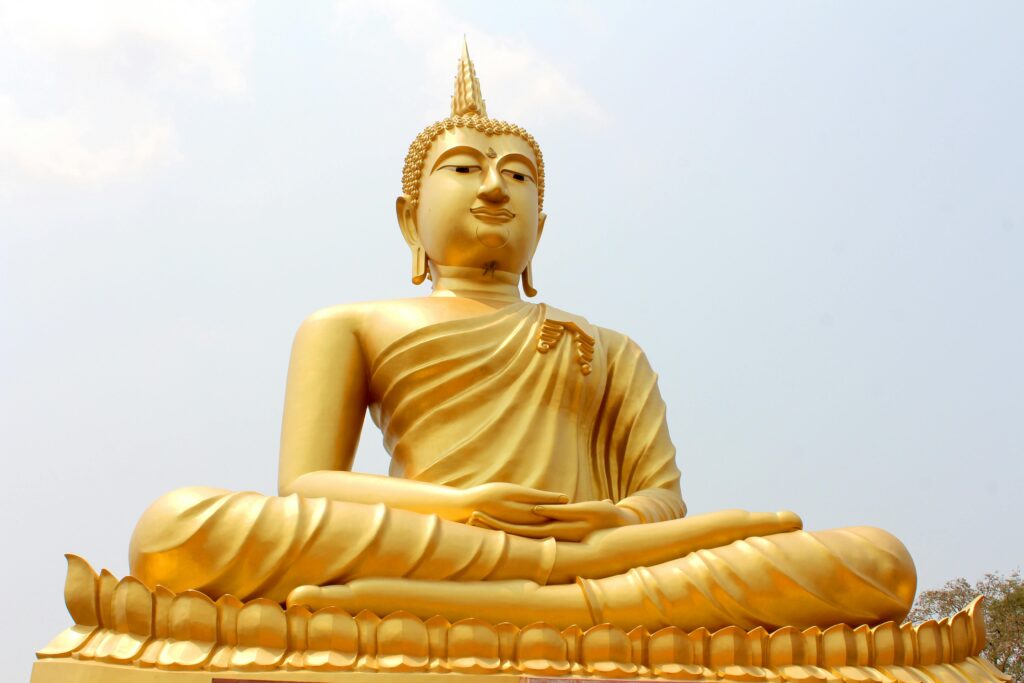

Buddhism originated in India over 2,500 years ago, and the country remains a spiritual hub for followers and seekers worldwide. Popular Buddhist Destinations in India are not only pilgrimage centers but also cultural and historical landmarks. They connect travelers to the life and teachings of Gautama Buddha while showcasing centuries-old art, architecture, and traditions.
This article provides a comprehensive 1500-word guide to the most significant Buddhist destinations in India, including their history, attractions, festivals, and travel tips.
1. Bodh Gaya, Bihar
- Significance: The place where Siddhartha Gautama attained enlightenment under the Bodhi Tree.
- Key Attractions: Mahabodhi Temple (UNESCO World Heritage Site), Bodhi Tree, Great Buddha Statue.
- Experience: Meditation, chanting, and international monasteries built by countries like Thailand, Japan, and Bhutan.
2. Sarnath, Uttar Pradesh
- Significance: Buddha delivered his first sermon here after enlightenment.
- Key Attractions: Dhamek Stupa, Chaukhandi Stupa, Ashoka Pillar, Sarnath Museum.
- Experience: Spiritual calm, archaeological treasures, and Buddhist chanting sessions.
3. Kushinagar, Uttar Pradesh
- Significance: The place where Buddha attained Mahaparinirvana (final salvation).
- Key Attractions: Mahaparinirvana Temple, Ramabhar Stupa, Matha Kuar Shrine.
- Experience: Pilgrims from across Asia visit to pay homage.
4. Sanchi, Madhya Pradesh
- Significance: Famous for ancient stupas built by Emperor Ashoka.
- Key Attractions: Great Stupa, Ashoka Pillar, Buddhist monasteries.
- Experience: UNESCO World Heritage Site showcasing Buddhist art and architecture.
5. Shravasti, Uttar Pradesh
- Significance: Buddha spent 24 rainy seasons here delivering sermons.
- Key Attractions: Jetavana Monastery, Anathapindika’s Stupa.
- Experience: Peaceful ruins and meditation centers.
6. Rajgir, Bihar
- Significance: Buddha spent several years here; site of the first Buddhist Council.
- Key Attractions: Vulture’s Peak, Gridhakuta Hill, Vishwa Shanti Stupa.
- Experience: Ropeway ride to Shanti Stupa, meditation retreats.
7. Vaishali, Bihar
- Significance: Buddha preached his last sermon here.
- Key Attractions: Ashoka Pillar, Relic Stupa.
- Experience: Historical ruins and serene landscapes.
8. Ajanta and Ellora Caves, Maharashtra
- Significance: Rock-cut caves showcasing Buddhist art from 2nd century BCE.
- Key Attractions: Ajanta murals, Ellora cave temples.
- Experience: Artistic heritage blending Buddhism, Hinduism, and Jainism.
9. Tawang Monastery, Arunachal Pradesh
- Significance: Largest monastery in India, second largest in the world.
- Key Attractions: Dukhang assembly hall, giant Buddha statue.
- Experience: Vibrant festivals, chanting, and Himalayan views.
10. Dharamshala & McLeod Ganj, Himachal Pradesh
- Significance: Headquarters of the Tibetan government-in-exile and home to the Dalai Lama.
- Key Attractions: Namgyal Monastery, Tsuglagkhang Complex.
- Experience: Tibetan culture, meditation, and Buddhist teachings.
11. Ladakh, Jammu & Kashmir
- Significance: Region dotted with monasteries and stupas.
- Key Attractions: Hemis Monastery, Thiksey Monastery, Lamayuru Monastery.
- Experience: Festivals, meditation retreats, and Himalayan landscapes.
12. Rumtek Monastery, Sikkim
- Significance: Seat of the Karmapa lineage of Tibetan Buddhism.
- Key Attractions: Golden Stupa, prayer halls.
- Experience: Spiritual teachings and vibrant rituals.
13. Dehradun – Mindrolling Monastery
- Significance: One of the largest Buddhist centers in India.
- Key Attractions: 60-meter high stupa, murals, and gardens.
- Experience: Meditation and Tibetan Buddhist teachings.
14. Coorg – Golden Temple (Namdroling Monastery)
- Significance: Major Tibetan Buddhist center in South India.
- Key Attractions: Golden statues of Buddha, Padmasambhava, and Amitayus.
- Experience: Peaceful environment and Tibetan rituals.
Festivals at Buddhist Destinations
- Buddha Purnima: Celebrated across India marking Buddha’s birth, enlightenment, and death.
- Hemis Festival (Ladakh): Masked dances and rituals.
- Tawang Festival: Showcases Buddhist culture and traditions.
- Rann Utsav (Kutch): Though not Buddhist, nearby Buddhist sites add cultural depth.
Practical Travel Tips
- Best Time to Visit: October–March for pleasant weather.
- Connectivity: Major sites like Bodh Gaya, Sarnath, and Kushinagar are well connected by road, rail, and air.
- Accommodation: Ranges from budget lodges to international guesthouses run by monasteries.
- Respect Traditions: Dress modestly, maintain silence in monasteries, and avoid littering.
Why Popular Buddhist Destinations in India Are Special
- Spiritual Significance: Direct connection to Buddha’s life.
- Cultural Heritage: Ancient art, architecture, and traditions.
- Global Appeal: Pilgrims from across Asia and the world.
- Diversity: From caves and stupas to monasteries and festivals.
Conclusion
Popular Buddhist Destinations in India are not just places to visit—they are journeys into peace, history, and spirituality. Whether meditating under the Bodhi Tree in Bodh Gaya, exploring the caves of Ajanta, or attending teachings in Dharamshala, these destinations offer profound experiences.
India’s Buddhist circuit is a treasure for pilgrims, history enthusiasts, and travelers alike. If you’re planning your next spiritual or cultural journey, exploring these destinations will connect you deeply with the timeless teachings of the Buddha.