
A Simple Guide to Polish Birth CertificateTranslation in the UK
It usually starts with a single letter or a checklist on a website. You’ve finally decided to settle down in the UK, or maybe you’re just trying to get your child’s first passport sorted. Everything feels like it’s moving in the right direction until you hit that one specific requirement: “All documents not in English must be accompanied by a certified translation.” You look at your Polish birth certificate—that familiar piece of paper with the eagle stamp and the dense text—and realize it’s the only thing standing between you and your next big life step. It’s a bit of a reality check, isn’t it? Something so small suddenly feels like a giant hurdle.
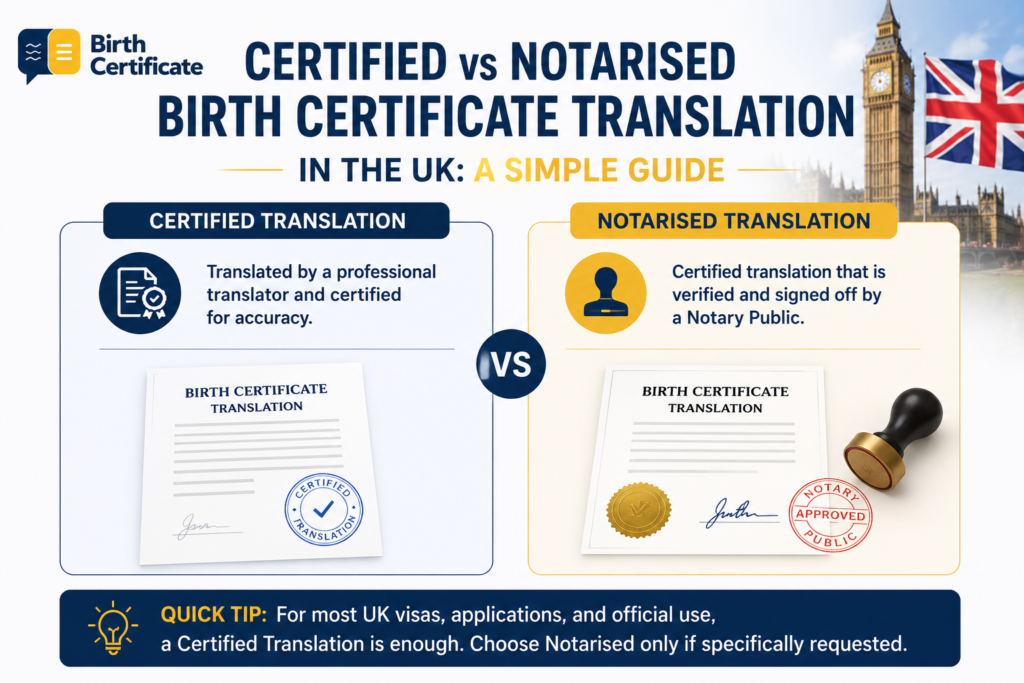
Navigating the British bureaucratic system is a skill in itself. You can’t just ask a bilingual friend to write down what it says on a piece of notebook paper, and you definitely shouldn’t trust an automated app that might get the dates or the legal terms mixed up. This is where most people realize they need a professional birth certificate translation service UK to step in. The Home Office and the Passport Office aren’t just looking for the words; they are looking for a “Certificate of Accuracy.” This is a formal statement signed by a qualified translator that proves the document is a true reflection of the original. Without this, your application is basically dead on arrival, and that’s a type of stress nobody needs.
Why Polish Documents Are a Bit Different
If you were born in Poland, your birth certificate is likely either the “short form” (odpis skrócony) or the “full form” (odpis zupełny). In the UK, caseworkers can be surprisingly picky about which one they want to see. For most visa applications, the short form is usually fine, but if you’re dealing with complex citizenship cases or court matters, they might demand the full version which includes every single amendment or note made since you were born.
The problem is that Polish legal language is quite specific. Terms like Urząd Stanu Cywilnego or Kierownik don’t always have a “perfect” one-word match in English. If a translator doesn’t understand the Polish civil registry system, they might choose a word that sounds slightly “off” to a British official. That little bit of confusion can lead to a caseworker asking for more “clarification,” which basically means your file goes to the bottom of a very large pile for a few more weeks.
The Problem with “DIY” and Free Tools
I know it’s tempting to try and save some money. We’ve all been there. You speak both languages, so you figure you can just type it up yourself. But here’s the thing: the UK government has a strict “no self-translation” rule. Even if you are a professional translator yourself, you often can’t translate your own personal documents because there’s a perceived conflict of interest. They need an independent, third-party professional to vouch for the data.
And please, stay away from those instant online tools for something this important. A birth certificate isn’t a casual email; it’s a legal foundation. AI often struggles with the layout of Polish certificates, especially those older, handwritten ones or the ones with faded stamps. If a machine misreads a “7” for a “1” on your birth date, you’re looking at a nightmare of identity verification issues. A human eye sees the ink, the context, and the history of the paper in a way a computer just can’t.
Finding a Reliable Partner
When you’re looking for help, you want a team that understands both sides of the bridge. Using a specialized Polish birth certificate translation service ensures that the person handling your file knows the difference between a birth record from the 1980s and the newer digital versions. They know how to format the English version so it mirrors the original Polish layout. This makes the caseworker’s life easier, and an easy caseworker is usually a fast caseworker.
I’ve heard so many stories from the Polish community in the UK about applications getting delayed because the translator forgot to mention a tiny stamp in the corner or didn’t include their professional credentials. When you choose a service, make sure they are based in the UK or at least provide translations that follow the specific “Home Office Certification” rules. This means including the translator’s name, their company details, and a signed statement of truth. It’s the “gold standard” for acceptance.
The Emotional Side of the Move
I think we sometimes forget that these documents are more than just data. Your birth certificate is the record of where you came from—it has your parents’ names, the town where you were born, and the very beginning of your story. Seeing it translated into English can feel a bit strange, but it’s also a powerful symbol of your new life in the UK. It’s the bridge between your past in Poland and your future here.
Taking the time to get this part right shows that you respect the process. It gives you a sense of confidence when you finally put that envelope in the mail. You aren’t crossing your fingers and hoping they accept it; you know they will because you’ve done it properly. That peace of mind is worth every penny of the translation fee.
Common Pitfalls to Avoid
One of the biggest mistakes people make is waiting until the very last minute. While many UK services offer a 24-hour turnaround, you don’t want to be rushing this. Give yourself a few days of “cushion” time just in case you need to clarify a spelling or a date. Also, check if you need an Apostille. Some specific types of applications (like getting married in a third country) might require this extra government stamp from Poland before the translation is done.
Another tip: always provide the translator with a high-quality scan. If you send a blurry photo taken with a phone in a dark room, the translator might struggle to read the signatures or the seals. The better the input, the more accurate the output. A clear, professional scan leads to a clear, professional translation.
Building Your Future in the UK
At the end of the day, your birth certificate translation is just one more box to tick on your journey. It might feel like a chore right now, but once it’s done, you never have to think about it again. You’ll have a certified document that you can use for your visa, your bank account, your NI number, and eventually, your passport.
The UK is a land of rules, but once you know how to follow them, the system actually works quite well. By using a certified human professional, you’re playing the game the right way. You’re ensuring that your Polish heritage is accurately represented in the English language, and you’re clearing the path for everything you want to achieve here.
Conclusion: A Step Toward Peace of Mind
I know the paperwork can feel like a mountain, but you’re almost at the top. Don’t let a bit of language get in the way of your goals. Whether you’re moving for work, for family, or just for a change of pace, getting your papers in order is the best gift you can give your “future self.”
Look for a service that feels human, ask questions if you’re unsure, and double-check your spellings. Once that certified translation is in your hand, you can take a deep breath and focus on the exciting parts of your move. You’ve worked hard to get to this point—now let the professionals handle the paperwork so you can go out and enjoy your new chapter. Good luck with everything—you’ve got this!