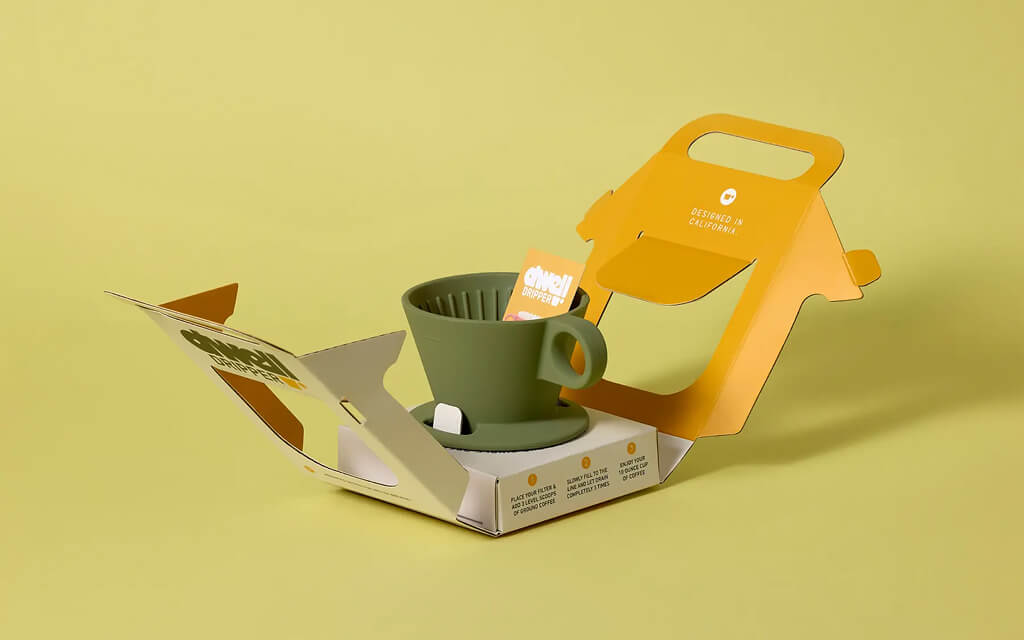

Packaging design has evolved significantly over the years, from basic functionality to an essential aspect of brand identity and consumer experience. As competition increases and consumer expectations evolve, packaging has become a crucial tool for standing out in the market. In packaging design news today, we are witnessing a wave of innovative trends that are reshaping the way brands approach product packaging. This article delves into the latest packaging design news, highlighting key innovations, sustainability efforts, and the future of packaging aesthetics.
The Role of Packaging Design in Branding
Packaging design is no longer just about protecting a product; it’s an integral part of a brand’s identity. In 2026, packaging has become a visual language that communicates a product’s value, story, and quality. Companies are using packaging as a powerful tool to connect with consumers emotionally, especially as the demand for personalized and unique products rises.
One of the most notable packaging design trends today is the move toward minimalism. Clean, simple designs with bold, eye-catching typography and striking color schemes are capturing the attention of consumers. By stripping away unnecessary elements, minimalist packaging allows the product to shine, conveying a sense of quality, sophistication, and clarity.
Moreover, many brands are integrating storytelling into their packaging designs. Packaging is now being used to tell a brand’s story, highlight its values, and even engage consumers in meaningful ways. For example, some brands incorporate QR codes or augmented reality (AR) features on their packaging to provide a deeper connection to the product’s origins or give consumers a behind-the-scenes look at the production process.
Sustainability in Packaging Design
Sustainability has taken center stage in packaging design news over the last few years, and it’s no surprise why. As consumers become increasingly environmentally conscious, they are demanding that brands adopt more sustainable packaging solutions. This shift is leading packaging designers to explore new materials, innovative designs, and processes that reduce environmental impact.
Biodegradable materials, recycled content, and plant-based plastics are some of the solutions being embraced by packaging designers in 2026. The use of these sustainable materials helps reduce waste and carbon emissions, aligning with the growing desire for eco-friendly packaging options.
In addition to the materials themselves, the packaging design process is also becoming more efficient. Designers are working to minimize waste during production, create packaging that is easier to recycle, and reduce the overall volume of packaging used. Companies are adopting a circular economy approach, ensuring that packaging is reused, recycled, or upcycled wherever possible.
The Influence of Technology on Packaging Design
The role of technology in packaging design is expanding, as digital tools and new technologies enhance creativity and functionality. Digital printing, for instance, is allowing for more flexibility in packaging design, enabling brands to create small batches of custom packaging with minimal cost. This not only allows for more personalized packaging but also helps brands cater to regional preferences and market demands.
Augmented reality (AR) is also making waves in packaging design. Brands are increasingly incorporating AR into their packaging to create interactive experiences. By scanning a product’s packaging with a smartphone, consumers can unlock additional content, such as product demonstrations, fun facts, or exclusive discounts. This level of interactivity enhances the customer experience and builds brand loyalty.
Additionally, smart packaging is gaining popularity. Smart packaging uses embedded sensors, QR codes, and NFC chips to provide real-time product information, such as freshness or temperature. This feature not only improves product integrity but also provides consumers with a convenient way to interact with the product.
Packaging Design for E-Commerce
With the rapid growth of e-commerce, packaging design is adapting to meet the unique needs of online shopping. Packaging for e-commerce must be durable enough to withstand the rigors of shipping, while also providing an exceptional unboxing experience for the customer. In 2026, e-commerce packaging is focusing on creating an aesthetic experience that delights consumers from the moment they receive their package.
Brands are focusing on packaging designs that are not only functional but also memorable. The unboxing experience has become a key part of branding, with many companies offering carefully designed packaging that excites and engages customers. This includes custom packaging designs, personalized messages, and unique shapes that elevate the entire shopping experience.
Conclusion
The packaging design news of today highlights a transformative era in the industry. Packaging has evolved from a functional necessity to a powerful tool for branding, consumer engagement, and sustainability. As brands continue to explore new technologies, sustainable practices, and creative design solutions, packaging will remain an essential element of the customer experience.
Looking ahead, the future of packaging design promises even more innovation, with a focus on creating designs that are not only visually appealing but also environmentally responsible and consumer-friendly. For businesses, staying ahead of these trends will be crucial to meeting consumer expectations and building brand loyalty in an increasingly competitive market.