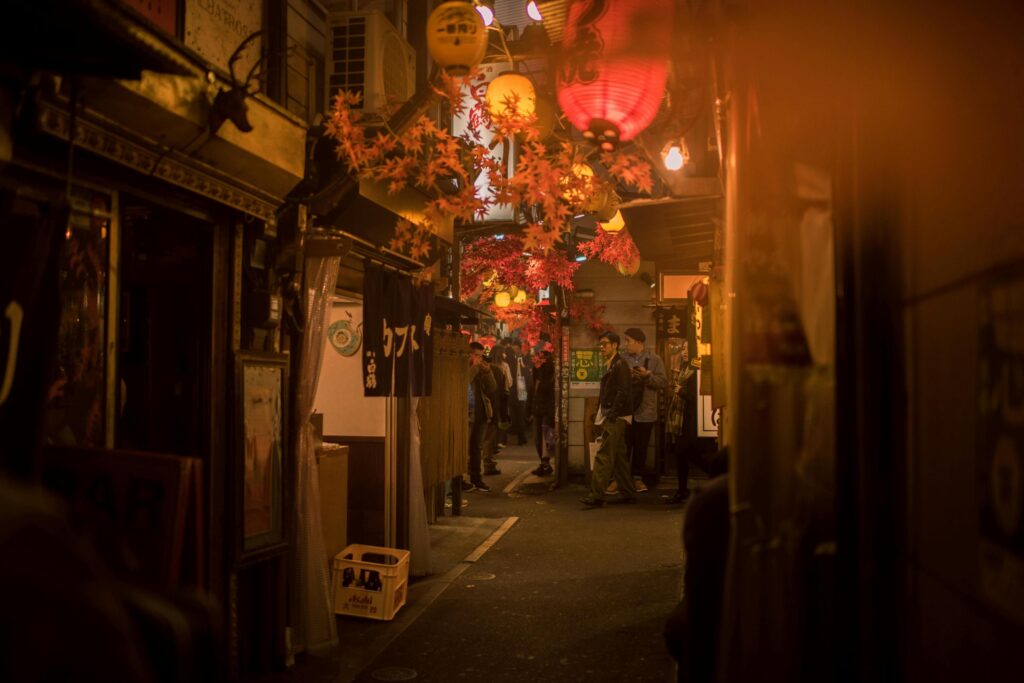

Osaka hits differently at night than most Japanese cities do during the day.
People book Japan tour packages expecting temples, gardens, maybe some bullet train rides. The daytime stuff. And sure, that’s all part of it. But Osaka after dark – specifically the food scene mixed with how the nightlife actually works there – that doesn’t translate well in trip descriptions. You kind of have to be standing in Dotonbori around 9pm with neon everywhere and people spilling out of tiny restaurants to understand what makes it different.
The food tours usually start earlier than you’d expect. Late afternoon, maybe 5 or 6pm, because eating in Osaka follows a different rhythm than formal dinner culture. Street food isn’t really “street food” the way that term gets used elsewhere. It’s… proper food that happens to be served from small spaces. Takoyaki stands that have been operating for decades. Okonomiyaki spots where the cook works two feet from where you sit. The quality doesn’t match the casual presentation, and that gap catches people off guard initially.
Most Japan travel packages route through Osaka for a day, maybe two if the itinerary allows. Which honestly feels about right for first-time visitors. The city doesn’t require a week. But one night out – a proper night, not just dinner and back to the hotel – that shifts how people remember the entire Japan trip afterwards. Something about the combination of eating late, moving between neighborhoods on foot, ending up in places that weren’t on any planned route… it creates memories that stick differently than shrine visits.
Dotonbori gets mentioned constantly. Oversaturated in photos, overrun with tourists during peak seasons. People dismiss it the same way they write off Times Square or Piccadilly Circus. But here’s the thing: locals still go there. That’s unusual for heavily touristed areas. The food stays legitimate even as the crowds increase. Glico Man poses and canal photos aside, the density of good eating options in that compact area justifies the traffic.
From what I’ve noticed, couples doing Japan tour packages tend to underestimate how much the food portion of an Osaka night becomes the highlight. It’s not just eating. It’s the movement between places, the way neighborhoods shift character within a few blocks, how conversations develop when you’re sharing plates at a counter next to strangers. Solo travelers sometimes struggle more – Osaka’s food culture leans social in ways that work better with company.
The nightlife component doesn’t mean clubs or bars necessarily. Some of that exists, particularly around Namba and Umeda. But “nightlife” in Osaka often translates to: eating at 10pm, then moving to a standing bar for highballs, maybe ending at a ramen shop near midnight. It’s eating-focused nightlife, which sounds redundant but actually describes the vibe accurately.
Weather affects this more than people think when booking Japan trip packages for different seasons. Summer humidity makes long walking nights uncomfortable. You end up ducking into air-conditioned spots more frequently, which changes the natural flow. Winter works better for sustained wandering between food stops. Spring and fall hit the sweet spot – comfortable enough to walk indefinitely, but jacket weather that keeps you alert rather than sluggish.
Language barriers exist but matter less here than in other parts of Japan. Osaka locals seem more willing to work through communication gaps, maybe because the food culture brings so many international visitors. Pointing works. Google Translate fills gaps. The transactional nature of food ordering – you want this, they make it – requires less nuanced conversation than other travel situations.
Package tours handling Osaka typically build in a guided food walk. Quality varies wildly. The good ones move at a relaxed pace, hit places that locals actually use, and allow unstructured time for wandering. The mediocre versions rush through pre-arranged stops, stick to English-friendly establishments exclusively, and treat the experience like checking boxes. Worth researching which type you’re getting before committing.
Cost runs higher than people estimate. Japan packages often bundle accommodation and transport, but food expenses in Osaka – especially when exploring properly – add up faster than expected. Not because individual items cost much. They don’t. But eating at six different places across four hours, with drinks, suddenly becomes significant spending. Budget roughly ¥5,000-8,000 per person for a thorough food night. Maybe more if sake or craft beer enters the equation.
The timing between eating stops matters more than the locations themselves. Rush it, and you’re just consuming calories. But spacing things out – walking for 20 minutes between stops, letting conversation develop, processing what you just ate before moving to the next thing – that’s when the night coheres into something memorable rather than just a series of meals.
Japan tours increasingly incorporate food experiences because standard sightseeing alone doesn’t capture what makes Japanese cities distinctive anymore. Osaka particularly benefits from this shift. The city doesn’t compete with Kyoto for temples or Tokyo for modern spectacle. It competes on eating culture and the specific atmosphere that emerges after sunset when the business day ends and the eating portion begins.
People don’t think about this early on when planning Japan trips, but the Osaka night often becomes the story they tell most frequently afterwards. Not the castles. Not the gardens. The night they ate their way through Namba with people they’d just met, trying foods they couldn’t identify, ending up somewhere they didn’t plan to be.
Simple planning usually works better here. Over-structuring the night eliminates the possibility of stumbling into better options than what guidebooks recommend.