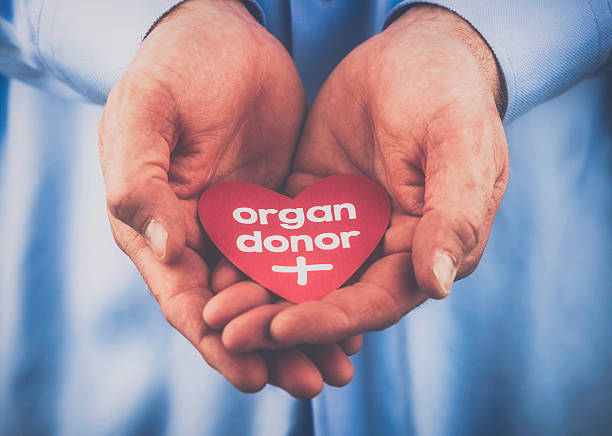

Organ donation is one of the most powerful acts of humanity. A single donor has the potential to save or transform multiple lives, offering hope to patients and families who are waiting for a second chance at life. Despite medical advancements and awareness campaigns, organ donation rates remain lower than required, largely due to myths, fear, and lack of clarity.
Understanding organ donation clearly is the first step toward making an informed and life-saving choice.
What Is Organ Donation?
Organ donation is the process of giving one or more organs or tissues to someone in need of a transplant. These organs may come from a living donor or a deceased donor, depending on medical suitability and consent.
With modern medical science, organ transplantation has become a safe and effective treatment for many life-threatening conditions such as kidney failure, liver disease, heart conditions, and corneal blindness.
Which Organs Can Be Donated?
Organs Donated by Living Donors
A healthy person can donate certain organs or tissues while living, without significantly affecting their quality of life:
-
One kidney
-
A portion of the liver
-
A part of the lung
-
A part of the pancreas
-
A part of the intestine
These donations are performed only after strict medical evaluation to ensure donor safety.
Organs Donated After Death
After brain death, several organs and tissues can be donated, including:
-
Kidneys
-
Liver
-
Heart
-
Lungs
-
Pancreas
-
Intestines
-
Corneas (eyes)
-
Skin, bones, and heart valves
One deceased donor can save up to eight lives and improve many more through tissue donation.
Common Myths About Organ Donation
“Doctors won’t try to save me if I’m a donor”
This is a common misconception. Medical teams focus entirely on saving a patient’s life. Organ donation is considered only after all life-saving efforts have failed and brain death is legally certified.
“I’m too old or unhealthy to donate”
Age alone does not disqualify someone from being a donor. Medical suitability is determined at the time of donation, not beforehand.
“My religion doesn’t allow organ donation”
Most major religions support organ donation as an act of compassion, charity, and saving lives.
Why Organ Donation Matters
Thousands of patients wait every day for organ transplants. Many do not survive due to shortages. Organ donation:
-
Saves lives
-
Improves quality of life
-
Reduces long-term healthcare burden
-
Brings meaning and legacy to the donor’s decision
For families of donors, knowing that their loved one helped others often provides comfort and purpose during difficult times.
The Role of Hospitals in Ethical Organ Donation
Hospitals play a critical role in ensuring that organ donation is handled ethically, transparently, and respectfully. This includes:
-
Proper counseling of families
-
Strict adherence to medical and legal protocols
-
Coordination with transplant teams
-
Respecting donor dignity and family emotions
Rehabilitation hospitals also support transplant recipients post-surgery, helping them regain strength, mobility, and confidence to return to normal life.
Recovery After Organ Transplant: Why Rehabilitation Is Important
Successful organ transplantation does not end in the operation theatre. Recovery and long-term outcomes depend heavily on rehabilitation care, which includes:
-
Physical rehabilitation to rebuild strength
-
Respiratory therapy
-
Nutritional support
-
Psychological counseling
-
Lifestyle and activity guidance
A structured rehabilitation approach significantly improves transplant success rates and patient independence.
How You Can Make a Difference Today
Becoming an organ donor starts with a simple decision:
-
Register as an organ donor through official platforms
-
Inform your family about your choice
-
Encourage conversations around organ donation
-
Support awareness initiatives in your community
Even sharing correct information can inspire others to consider donation.
Organ donation is not about death—it is about life, hope, and humanity. One thoughtful decision can give someone a future, a family their loved one back, and a child a chance to grow.
Healthcare institutions committed to ethical care and rehabilitation continue to support both donors’ families and recipients through every stage of this journey—because saving a life doesn’t end with surgery, it continues with recovery.
About the Author
This article is contributed by a healthcare professional associated with Veritas Hospital