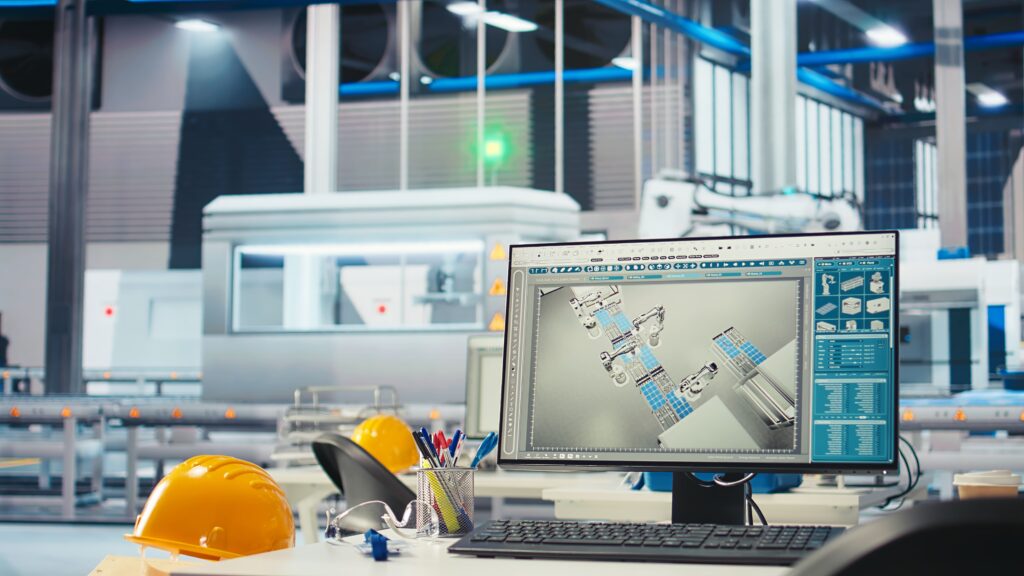

Modern buildings demand highly efficient, well-coordinated, and performance-driven mechanical systems. Whether it is a commercial complex, industrial facility, healthcare environment, or residential development, HVAC systems play a critical role in comfort, safety, and energy efficiency. Behind every successful HVAC installation lies a foundation of precise engineering documentation — and this is where expert HVAC CAD drafting services become essential.
HVAC systems are inherently complex. They involve intricate duct networks, equipment layouts, airflow management, load calculations, and coordination with structural, electrical, and plumbing systems. Without accurate drafting, even the most well-planned mechanical designs can encounter costly errors, installation conflicts, and performance issues.
The Growing Complexity of Mechanical Designs
Mechanical systems today are no longer simple layouts of ducts and equipment. Modern projects require:
-
High-efficiency HVAC Equipment Design
-
Space-optimized duct routing
-
Energy-conscious system designs
-
Integration with smart building technologies
-
Strict compliance with regulatory standards
As buildings become smarter and more compact, mechanical engineers must work within tighter spatial constraints while maintaining optimal system performance. This complexity significantly increases the need for accurate and detailed HVAC CAD drafting.
Why HVAC CAD Drafting Services Matter
Precision and Accuracy
HVAC CAD drafting ensures that mechanical designs are translated into highly accurate technical drawings. Every duct dimension, equipment placement, airflow clearance, and connection detail is documented with precision. This minimizes guesswork during fabrication and installation.
Improved Design Coordination
HVAC systems must integrate seamlessly with other building systems. Professional CAD drafting allows engineers to identify potential clashes between ducts, beams, cable trays, piping, and architectural elements before construction begins.
Early coordination prevents:
-
Costly site modifications
-
Installation delays
-
Rework and material wastage
Optimized System Performance
Accurate drafting directly impacts system efficiency. Properly drafted layouts help engineers:
-
Maintain correct airflow paths
-
Reduce pressure losses
-
Optimize duct routing
-
Improve equipment accessibility
Even minor drafting inaccuracies can lead to airflow inefficiencies, increased energy consumption, and long-term operational issues.
Key Benefits of Expert HVAC CAD Drafting
1. Enhanced Design Clarity
Detailed CAD drawings provide a clear visual representation of HVAC systems. Contractors, fabricators, and installation teams can interpret designs easily, reducing communication gaps.
2. Reduced Errors and Rework
Well-prepared HVAC drawings eliminate ambiguity. Precise dimensions and annotations reduce fabrication mistakes and installation conflicts.
3. Faster Project Execution
Accurate drafting speeds up approvals, fabrication, and installation. Teams spend less time resolving design inconsistencies and more time executing the project.
4. Cost Efficiency
Avoiding errors, clashes, and rework leads to significant cost savings. Professional drafting helps control budgets and timelines.
5. Regulatory Compliance
HVAC CAD drafting ensures designs adhere to industry standards, safety regulations, and local building codes.
The Role of Technology in HVAC CAD Drafting
Advanced CAD tools enable engineers and drafters to produce highly detailed and coordinated mechanical documentation. Modern drafting practices support:
-
2D and 3D HVAC layouts
-
Intelligent duct modeling
-
Precise equipment integration
-
Clash detection and coordination
-
Easy revisions and updates
Technology-driven drafting improves both design accuracy and workflow efficiency.
Challenges Without Professional HVAC CAD Drafting
Projects that rely on incomplete or inaccurate drafting often face:
-
Duct routing conflicts
-
Equipment misalignment
-
Installation delays
-
Increased material wastage
-
Performance inefficiencies
-
Budget overruns
Mechanical designs are too critical to be compromised by poor documentation. Precision drafting is not just beneficial — it is necessary.
Why Professional Expertise Makes the Difference
Expert HVAC CAD drafting services combine technical knowledge with drafting precision. Skilled professionals understand:
-
HVAC engineering principles
-
Airflow dynamics
-
Equipment specifications
-
Industry drafting standards
-
Coordination requirements
This expertise ensures drawings are not only accurate but also practical for real-world installation.
Asset Eyes – Supporting High-Performance Mechanical Designs
Precision and reliability are crucial in HVAC system documentation, which is why many engineering and construction firms rely on Asset Eyes for professional HVAC CAD drafting service.
Asset Eyes specializes in:
-
HVAC CAD drafting
-
HVAC equipment design documentation
-
Duct routing and detailing
-
CAD drafting services for mechanical systems
-
High-precision CAD drawings services
With experienced CAD professionals and a strong focus on quality, Asset Eyes delivers accurate, coordinated, and installation-ready HVAC drawings that help optimize mechanical designs and improve project efficiency.
Conclusion
Optimizing mechanical designs requires more than strong engineering concepts it demands accurate, detailed, and coordinated documentation. Expert HVAC CAD drafting services provide the precision needed to ensure HVAC systems perform efficiently, integrate seamlessly, and meet project requirements without costly complications.
As building systems continue to grow more complex, investing in professional drafting support becomes a strategic necessity. By partnering with experienced providers like Asset Eyes, businesses can achieve reliable mechanical designs, smoother project execution, and long-term operational performance.