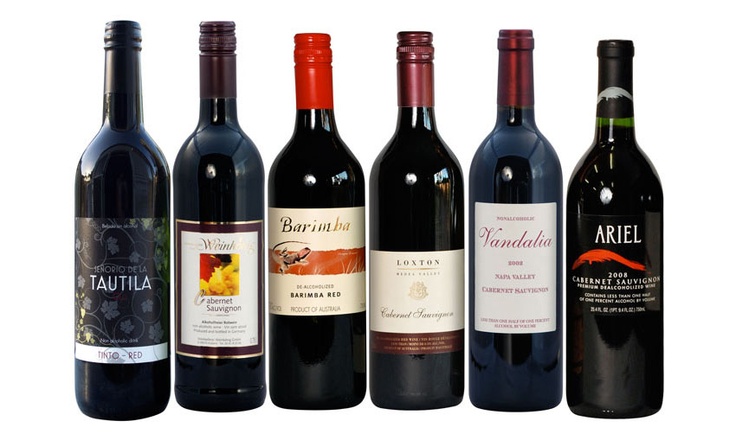

In recent years, the global beverage market has seen a noticeable shift toward mindful and healthier consumption habits. More people are choosing alternatives that allow them to enjoy familiar tastes without unwanted side effects. One of the strongest trends within this movement is the rising popularity of non-alcoholic wines, which offer the elegance, aroma, and experience of traditional wine without the presence of alcohol. This evolution reflects changing lifestyles, cultural preferences, and a growing awareness of health and wellness.
Wine has long been associated with celebration, relaxation, and social connection. However, alcohol consumption is not suitable for everyone. Whether due to health concerns, religious beliefs, pregnancy, professional responsibilities, or personal choice, many people seek refined alternatives that do not compromise on taste or experience. Alcohol-free wine products have stepped in to fill this gap, offering inclusivity without sacrificing quality.
What Are Alcohol-Free Wines?
Non-alcoholic wines are produced using traditional winemaking methods, followed by a careful process to remove or significantly reduce the alcohol content. In most cases, the final alcohol level is kept below 0.5% ABV, making these beverages suitable for those who wish to avoid alcohol altogether.
Producers typically rely on advanced techniques such as vacuum distillation or reverse osmosis. These processes allow alcohol to be extracted at low temperatures, preserving the wine’s original aroma, structure, and flavor profile. The result is a drink that closely resembles conventional wine in taste and appearance, while remaining alcohol-free.
Unlike grape juice, these wines undergo fermentation before alcohol removal, which is why they maintain complexity, acidity, and mouthfeel similar to traditional wine.
Health and Lifestyle Benefits
One of the main reasons people turn to non-alcoholic wines is their positive impact on health and daily life. Removing alcohol eliminates many risks, including impaired judgment, dehydration, sleep disruption, and liver-related concerns. This makes alcohol-free wine a safer option for individuals managing medical conditions or following wellness-focused lifestyles.
Additionally, these wines may still contain beneficial grape compounds such as antioxidants and polyphenols. These naturally occurring elements are associated with supporting cardiovascular health and reducing oxidative stress. While they are not a replacement for medical treatments, they contribute to a more balanced and mindful approach to drinking.
From a lifestyle perspective, alcohol-free wine allows individuals to enjoy social moments without concern. There is no hangover, no impact on productivity, and no need to limit participation in events due to alcohol restrictions.
Flavor Profiles and Varieties
The diversity available in non-alcoholic wines has expanded significantly in recent years. Consumers can now choose from red, white, rosé, and sparkling styles, each crafted to reflect classic wine characteristics.
Red varieties often present notes of dark berries, cherry, and subtle spice, making them suitable for hearty meals. Whites tend to be lighter and fresher, offering citrus, apple, and floral tones that pair well with seafood or salads. Rosé options provide a balance between freshness and fruitiness, while sparkling alcohol-free wines are increasingly popular for celebrations and special occasions.
Thanks to innovation in production methods, the quality and balance of these wines continue to improve, making them enjoyable even for experienced wine drinkers.
Social and Cultural Appeal
Drinking culture is evolving, and non-alcoholic wines play an important role in making social environments more inclusive. They allow individuals who do not drink alcohol to participate fully in celebrations, dinners, and professional gatherings without feeling excluded.
At weddings, corporate events, or family dinners, offering alcohol-free wine demonstrates thoughtfulness and inclusivity. It ensures that everyone, regardless of personal choice or lifestyle, can raise a glass and enjoy the moment.
In professional settings, alcohol-free wine is especially valuable. It allows attendees to network and socialize without compromising focus, professionalism, or personal boundaries.
Choosing the Right Option
Selecting a quality alcohol-free wine requires attention to detail. Start by identifying your taste preference, whether dry, semi-dry, or slightly sweet. Reading tasting notes provided by reputable brands can help guide your choice.
Look for products made using advanced alcohol-removal techniques, as these tend to retain better flavor and structure. Checking ingredient lists is also important, as high-quality options rely on grapes and natural processes rather than excessive additives.
As demand grows, many premium producers are investing heavily in refining their alcohol-free offerings, making it easier to find satisfying and well-balanced options.
Proper Storage and Serving
Like traditional wine, alcohol-free varieties benefit from proper storage and serving practices. Bottles should be stored in a cool, dark place to maintain freshness and aroma. Once opened, refrigeration is recommended, and most bottles are best consumed within a few days.
Serving temperature also matters. White and sparkling styles should be chilled, while red varieties are typically best enjoyed slightly below room temperature. Using proper wine glasses enhances the sensory experience, allowing aromas and flavors to fully develop.
The Future of Alcohol-Free Wine
The market for non-alcoholic wines continues to grow as consumer preferences shift toward healthier, more mindful choices. Innovations in technology and winemaking are driving improvements in taste, texture, and overall quality.
Restaurants, retailers, and online stores are expanding their selections, making alcohol-free wine more accessible than ever. As awareness increases, these products are no longer seen as substitutes, but as legitimate choices in their own right.
This trend reflects a broader cultural movement toward balance, inclusivity, and conscious consumption.
Conclusion
Non-alcoholic wines offer a refined and enjoyable way to experience wine without alcohol-related concerns. They combine tradition with innovation, making it possible to enjoy complex flavors, social moments, and celebrations without compromise. As quality continues to improve and awareness grows, alcohol-free wine is set to remain an important part of modern drinking culture, appealing to both dedicated abstainers and those simply seeking a healthier alternative.