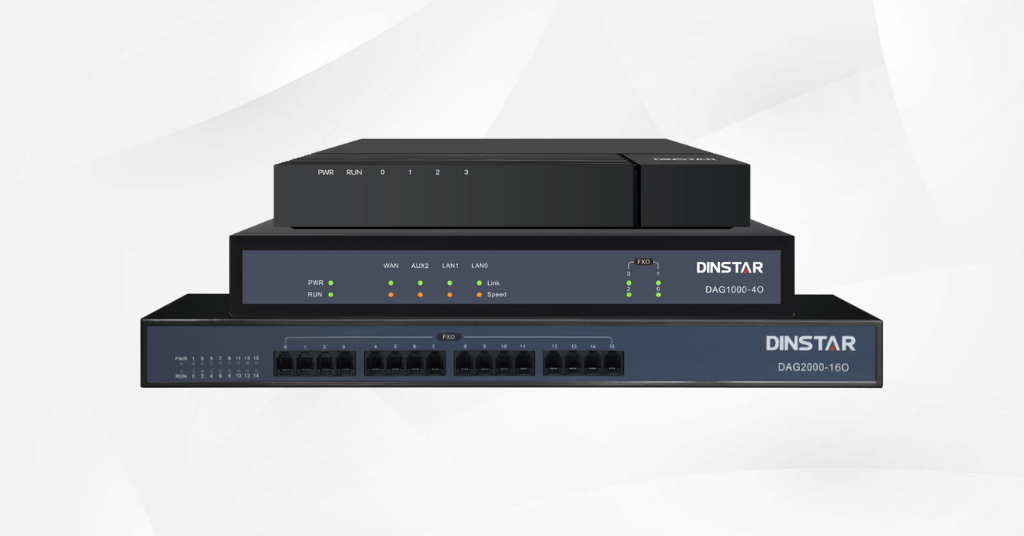

In today’s fast-moving digital landscape, businesses are constantly upgrading their communication systems to IP-based networks. However, many organizations still rely on traditional analog devices such as legacy desk phones, fax machines, and PBX systems. Replacing all this equipment at once can be expensive and disruptive. This is where an Analog VoIP Gateway plays a critical role.
An Analog VoIP Gateway acts as a bridge between traditional analog telephony systems and modern VoIP (Voice over IP) networks. It allows businesses to continue using their existing analog devices while benefiting from the flexibility, scalability, and cost efficiency of IP communication.
What is an Analog VoIP Gateway?
An Analog VoIP Gateway is a networking device that converts analog voice signals into digital packets for transmission over IP networks—and vice versa. In simple terms, it enables analog phones and legacy communication systems to operate within a VoIP environment.
Instead of discarding older infrastructure, businesses can connect their analog devices to the gateway, which then communicates with SIP servers or IP PBX systems. This makes migration to VoIP smooth and budget-friendly.
How Does an Analog VoIP Gateway Work?
The working mechanism of an Analog VoIP Gateway involves signal conversion and protocol translation.
-
Analog voice signals from a telephone are received by the gateway.
-
The device converts these signals into digital data.
-
The digital data is packetized using SIP protocol.
-
The packets are transmitted over the IP network.
-
At the receiving end, the process reverses, converting digital packets back into analog signals.
This seamless conversion ensures clear communication without requiring users to change their existing devices.
Key Features of an Analog VoIP Gateway
Modern gateways are designed with advanced capabilities to ensure stable and high-quality communication.
-
Multiple port configurations to support various analog devices
-
SIP protocol compatibility
-
Echo cancellation for improved voice clarity
-
Secure voice transmission
-
Flexible routing options
-
Easy web-based configuration
These features make gateways highly adaptable to small offices, large enterprises, and even distributed branch networks.
Benefits of Using an Analog VoIP Gateway
1. Cost Efficiency
Replacing entire telephony infrastructure can be costly. An Analog VoIP Gateway allows businesses to extend the life of their existing analog equipment, significantly reducing capital expenditure.
2. Smooth Migration to VoIP
Instead of shifting to IP systems overnight, organizations can transition gradually. This reduces operational risks and ensures minimal downtime.
3. Scalability
Businesses can expand communication systems by simply adding more gateways or increasing port capacity, without overhauling the entire setup.
4. Improved Communication Flexibility
By integrating analog systems with IP networks, companies can connect multiple branches, enable remote communication, and optimize call routing.
Where Are Analog VoIP Gateways Commonly Used?
Analog VoIP Gateways are widely used across various industries and environments:
-
Small and Medium Businesses (SMBs)
-
Call centers
-
Hospitality sector
-
Educational institutions
-
Healthcare facilities
-
Multi-location enterprises
Any organization that relies on legacy analog systems but wants to integrate modern VoIP capabilities can benefit from deploying a VoIP Gateway.
Why Businesses Still Choose Analog Integration
Even in a fully digital era, analog devices continue to offer reliability and familiarity. Fax machines, emergency lines, and certain analog phones remain essential in many operational setups. Rather than eliminating these devices, businesses prefer integrating them into modern communication systems.
An Analog VoIP Gateway ensures compatibility without compromising performance. It preserves investments while unlocking the advantages of IP communication such as centralized management, remote accessibility, and reduced call costs.
Choosing the Right Analog VoIP Gateway
When selecting a gateway, businesses should consider:
-
Number of ports required
-
Compatibility with existing IP PBX or SIP server
-
Voice quality features
-
Security protocols
-
Scalability for future growth
Careful evaluation ensures long-term efficiency and a smooth integration process.
Conclusion
An Analog VoIP Gateway serves as a smart transition tool between legacy telephony systems and modern IP communication networks. It eliminates the need for complete infrastructure replacement while enabling businesses to benefit from advanced VoIP features.
By combining cost efficiency, flexibility, and seamless integration, this solution empowers organizations to modernize communication at their own pace—without sacrificing reliability or performance.