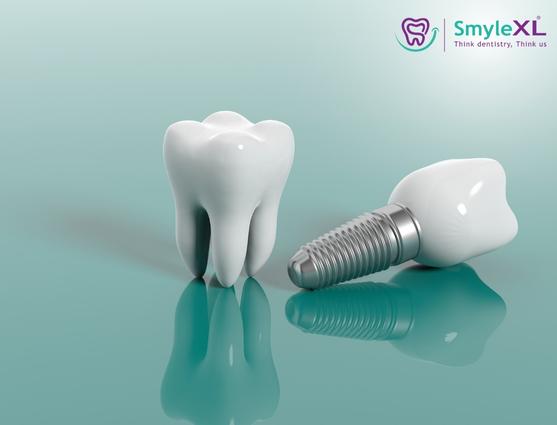

Although both treatments are designed to replace missing teeth permanently, they differ in size, treatment complexity, healing time, and durability. Understanding these differences helps patients choose the most suitable implant solution according to their dental condition and long-term oral health goals.
Table of Contents
- Importance of Replacing Missing Teeth
- What Are Mini Dental Implants?
- What Are Traditional Dental Implants?
- Comparing Implant Size and Structure
- Which Implant Is Better for Bone Support?
- Benefits of Mini Implants
- Advantages of Traditional Implants
- Recovery and Healing Differences
- Implant Success Rate and Durability
- Choosing the Right Implant Treatment
- Oral Care After Implant Surgery
- Conclusion
Importance of Replacing Missing Teeth
Tooth loss not only affects appearance but can also lead to serious oral health problems if left untreated.
Problems caused by missing teeth include:
- Difficulty chewing food
- Tooth shifting
- Jawbone deterioration
- Facial sagging
- Speech difficulties
- Reduced confidence
Modern tooth replacement treatment helps restore proper oral function while improving smile aesthetics and facial support.
Patients seeking permanent solutions often prefer implant supported teeth because they provide better stability than removable dentures.
What Are Mini Dental Implants?
Mini implants are smaller and narrower than regular dental implants. They are commonly used in patients who have insufficient jawbone density or smaller gaps between teeth.
Features of mini implants include:
- Smaller implant diameter
- Less invasive placement
- Reduced surgical discomfort
- Faster healing
- Lower treatment cost
Many patients choose mini dental implant treatment because it usually involves simpler procedures and quicker recovery.
Modern mini implant procedure techniques are also suitable for stabilizing loose dentures and replacing smaller teeth.
What Are Traditional Dental Implants?
Traditional implants are full-sized implants designed to provide maximum strength and long-term stability. These implants are surgically placed into the jawbone and act as artificial tooth roots.
Benefits of traditional implants include:
- Strong chewing support
- Long-lasting durability
- Better bone integration
- Suitable for multiple missing teeth
- Excellent stability
Patients looking for reliable traditional dental implants often choose them for full-mouth restorations and larger replacement teeth.
Traditional implants are commonly made from titanium materials because of their strength and compatibility with bone tissue.
Comparing Implant Size and Structure
One of the biggest differences between mini and regular implants is size.
Mini Implants
Mini implants are thinner and designed for narrow spaces or areas with limited bone support.
Traditional Implants
Traditional implants are larger and provide stronger structural support for crowns and bridges.
Understanding the difference between mini and regular implants helps patients determine which option suits their oral condition better.
The implant size also affects healing time, chewing strength, and treatment planning.
Which Implant Is Better for Bone Support?
Bone density is one of the most important factors in implant dentistry.
Mini Implants
Mini implants may work well for patients with reduced jawbone density because they require less bone volume.
Traditional Implants
Traditional implants generally need stronger bone support for dental implants because of their larger size and deeper placement.
Patients with severe bone loss may require additional procedures before receiving traditional implants.
Benefits of Mini Implants
Mini implants are becoming increasingly popular due to their convenience and minimally invasive approach.
Important benefits include:
- Faster recovery
- Reduced swelling
- Less surgical trauma
- Affordable treatment
- Minimal discomfort
Patients searching for affordable dental implants often consider mini implants because they usually involve lower treatment costs.
Mini implants are also considered one of the most effective cosmetic tooth replacement solutions for small missing teeth.
Advantages of Traditional Implants
Traditional implants remain the preferred option for patients requiring maximum durability and strength.
Key advantages include:
- Strong long-term stability
- Better chewing performance
- Suitable for full-mouth restoration
- Reliable support for bridges and dentures
- Excellent functional results
Many patients choose full mouth dental implants using traditional implant systems because they offer long-lasting support and comfort.
Traditional implants are also considered highly effective for long lasting tooth replacement solutions.
Recovery and Healing Differences
Healing time varies depending on implant type, bone quality, and oral hygiene habits.
Mini Implant Recovery
Mini implants generally involve quicker healing because the procedure is less invasive.
Traditional Implant Recovery
Traditional implants may require several months for complete healing and bone integration.
The overall dental implant healing process depends on factors such as:
- Bone density
- Gum health
- Smoking habits
- Oral hygiene
- Medical history
Patients seeking faster treatment often choose mini implants because of shorter recovery periods.
Implant Success Rate and Durability
Both mini and traditional implants offer excellent success rates when placed properly by experienced dental professionals.
Mini Implants
Mini implants work effectively for lighter chewing pressure and smaller restorations.
Traditional Implants
Traditional implants provide stronger support for molars and larger restorations requiring maximum stability.
Modern durable dental implant solutions are designed to function effectively for many years with proper care.
The overall dental implant success rate improves significantly when patients maintain healthy oral hygiene habits.
Choosing the Right Implant Treatment
Every patient has different dental needs, which is why implant treatment should always be personalized.
Dentists consider several factors including:
- Number of missing teeth
- Jawbone condition
- Oral hygiene
- Budget
- Cosmetic goals
- Bite pressure
An experienced tooth implant specialist can recommend the most suitable implant treatment after proper examination and imaging.
Patients often schedule a dental implant consultation to discuss treatment options and understand recovery expectations.
Oral Care After Implant Surgery
Proper aftercare is essential for successful healing and long-term implant performance.
Important oral care tips include:
- Brush gently around implants
- Use antibacterial mouthwash
- Avoid smoking
- Follow soft food diet initially
- Attend regular dental visits
Maintaining healthy gums and oral hygiene helps implants remain stable and functional for years.
Conclusion
Both mini and traditional implants provide highly effective solutions for restoring missing teeth and improving smile confidence. Mini implants are ideal for patients seeking minimally invasive treatment with quicker healing, while traditional implants offer superior durability and long-term support for extensive restorations.
If you are searching for trusted and advanced dental implant in new bel road, visit SmyleXL Dental Clinic for expert implant care and customized tooth replacement solutions. Book your appointment today and restore your smile with modern implant dentistry treatments.
Source: Mini Dental Implant vs Traditional Implant: Which Tooth Replacement Option Should You Choose ?