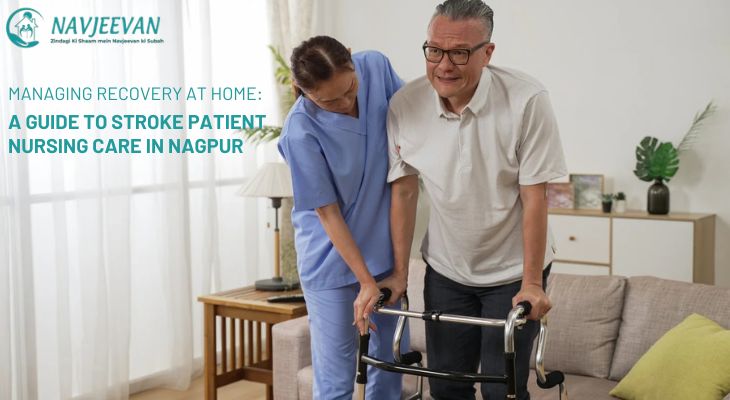

Recovering from a brain stroke is a long road that requires patience, discipline, and a deep understanding of the patient’s physical and emotional needs. For families living in central India, managing a recovery journey at home can feel overwhelming. The transition from a hospital setting to a domestic environment involves significant changes in daily routines. Providing quality stroke patient nursing care in nagpur means focusing on more than just medicine; it involves creating a safe space where a survivor can regain their independence step by step. This process requires a balance of professional medical monitoring and compassionate personal assistance to ensure that the risk of secondary complications remains low while the quality of life improves.
Understanding the Immediate Needs of Stroke Survivors
The first few weeks following a stroke are the most critical. During this phase, the brain is trying to rewire itself, a process often referred to as neuroplasticity. Proper care involves monitoring blood pressure, ensuring medication adherence, and preventing infections like pneumonia, which are common if the patient remains immobile for too long. In a city like Nagpur, where the climate can get quite harsh, maintaining proper hydration and a cool indoor temperature is also vital for the patient’s comfort.
Managing Physical Mobility and Safety
One of the biggest challenges after a stroke is hemiplegia or weakness on one side of the body. This makes moving around the house a high-risk activity. Families must look into stroke patient home nursing services in Nagpur to help with safe transfers from the bed to a wheelchair. Simple adjustments, such as removing loose rugs or installing grab bars in the bathroom, can prevent falls. A trained professional knows how to support a patient’s weight without causing joint strain, which is essential for long-term physical health.
The Role of Specialized Nursing in Recovery
Nursing for a stroke survivor is not a one-size-fits-all job. It requires a specific skill set that includes wound care for bedsores, catheter management, and monitoring for signs of another stroke. Since many survivors face swallowing difficulties, known as dysphagia, a nurse must be vigilant during meal times to prevent choking. Using post-stroke care nursing services in Nagpur ensures that a professional is present to manage these technical aspects, allowing family members to focus on providing emotional support rather than worrying about medical technicalities.
Nutrition and Diet Management
Diet plays a massive role in preventing future strokes. Most patients are advised to follow a low-sodium, low-fat diet to manage hypertension and cholesterol. In many Indian households, meals are rich in spices and oil, so adapting traditional recipes to be heart-healthy is necessary. A caregiver can help track what the patient eats and ensure they are getting enough fiber to prevent constipation, a common issue for those with limited mobility.
Focusing on Long-Term Rehabilitation
Rehabilitation is the bridge between survival and living. It involves speech therapy, physical therapy, and occupational therapy. Consistency is the most important factor here. Missing even a few days of exercises can slow down progress significantly. Engaging with stroke rehabilitation nursing care in Nagpur helps maintain a strict schedule for these therapies. When exercises are done correctly under supervision, the chances of regaining motor functions increase.
Speech and Cognitive Support
A stroke often affects the part of the brain responsible for language. This leads to aphasia, where the patient knows what they want to say but cannot find the words. This is incredibly frustrating for the survivor. Caregivers need to use short sentences, visual aids, and plenty of patience. Encouraging the patient to communicate, even through gestures, helps keep their mind active and reduces the feeling of isolation.
Emotional Well-being and Mental Health
Depression is a frequent visitor in the homes of stroke survivors. The sudden loss of independence can lead to a sense of hopelessness. It is important to celebrate small victories, like holding a spoon or taking five steps independently. Seeking the best stroke patient care services in Nagpur can provide a sense of security, knowing that help is always available, which reduces anxiety for both the patient and the primary family caregivers.
Managing Complex Medical Requirements
Some patients may require advanced medical equipment at home, such as oxygen concentrators or suction machines. Handling this equipment requires training. For those who need constant vigilance due to severe impairment, stroke recovery nursing support in Nagpur provides the necessary expertise to operate these devices. Having someone who can spot the subtle signs of distress or a spike in fever can be the difference between a minor setback and a hospital readmission.
Dealing with Paralysis
Paralysis requires specific skin care routines to prevent pressure sores. These sores can develop quickly and lead to severe infections if not treated. Regular repositioning of the patient every two hours is a standard practice. When looking for nursing care for paralysis and stroke patients in Nagpur, ensure the staff is trained in “log rolling” and other movement techniques that protect the patient’s skin and spine.
Practical Considerations for Families
Budgeting for long-term care is a reality many families must face. Finding affordable stroke patient home care in Nagpur allows for a sustainable recovery plan without draining the family’s savings. It is often more cost-effective than prolonged hospital stays while providing the comfort of a familiar home environment.
Round-the-Clock Assistance
Many stroke patients have disrupted sleep cycles or need assistance with toileting in the middle of the night. This is where 24/7 nursing care in nagpur becomes essential. Having a professional on night duty ensures that the patient is never left alone, providing peace of mind to family members who need to rest to maintain their own health.
Consistency in Caregiving
Switching caregivers frequently can be distressing for a stroke survivor. They build a bond with their nurse. Opting for 24 hour nursing care services in Nagpur usually means a dedicated team handles the patient, ensuring a consistent routine. This consistency helps the patient feel safe and helps the nurse understand the patient’s non-verbal cues better over time.
Creating a Sustainable Support System
Home-based care is a marathon, not a sprint. Families should look for full-time nursing care at home in Nagpur to ensure that the patient’s hygiene, medication, and exercise needs are met daily. This professional support prevents caregiver burnout among family members, which is a very real and common issue in long-term recovery scenarios.
Preparing for Emergencies
Even with the best care, emergencies can happen. A sudden change in speech or a facial droop requires immediate action. Utilizing 24/7 home nursing services in Nagpur means there is always someone present who can perform basic life support or recognize the “FAST” (Face, Arms, Speech, Time) signs of a stroke. Quick response times are vital for minimizing brain damage during a secondary event.
Final Thoughts on Home Recovery
The journey of recovery is unique for every individual. While some may regain full mobility in months, others may take years to find their new normal. The goal is always progress, no matter how small. Accessing emergency and 24/7 nursing care in Nagpur provides a safety net that allows the patient to focus entirely on their healing. With the right blend of medical skill and domestic comfort, many survivors go on to lead fulfilling lives.
Frequently Asked Questions
- How soon can a stroke patient start home nursing care?
Home nursing can usually begin the same day a patient is discharged from the hospital. It is actually recommended to have the caregiver present during the discharge briefing to understand the specific needs of the patient.
- Can nursing care help with speech therapy at home?
While nurses are not speech therapists, they play a vital role in reinforcing the exercises prescribed by a therapist. They can assist the patient in practicing vocal drills and using communication boards throughout the day.
- What should I look for when hiring a nurse for a stroke patient?
Look for experience in neurological care, patience, and the physical ability to help with patient transfers. It is also important that the nurse is trained in basic emergency response and has a compassionate approach.
- Is home nursing better than a rehabilitation center?
The home environment is often less stressful for the patient, which can speed up recovery. However, the choice depends on the severity of the stroke and the medical equipment required. Home care offers personalized, one-on-one attention.
- How do nurses prevent bedsores in paralyzed patients?
Nurses use a combination of regular turning schedules (usually every two hours), specialized air mattresses, and keeping the skin clean and dry. They also monitor high-pressure areas like heels and elbows for any redness.
- Can a home nurse manage the patient’s medication?
Yes, managing complex medication schedules is a primary duty. This includes ensuring the right dosage is taken at the right time and monitoring for any side effects or allergic reactions.
Conclusion
Recovering from a stroke is a significant challenge, but it is one that no family has to face alone. By integrating professional nursing into the daily routine, the focus shifts from just “surviving” to truly “recovering.” Nagpur offers various levels of support that can be tailored to the specific health requirements and financial considerations of any family. Ultimately, the presence of a skilled professional ensures that the patient receives the highest standard of care in the place where they feel most loved their own home. Through dedication, proper medical supervision, and a positive environment, the path to regained independence becomes much clearer.