
Caring for an elderly or bedridden family member comes with several challenges, and one of the most persistent issues is the development of skin breakdowns. Often, families start noticing small red patches on the skin of their loved ones who have been immobile for long periods. If these areas are not addressed early, they can turn into painful wounds. Finding the right approach to bed sore treatment in Nagpur is essential for ensuring that these individuals regain their comfort and avoid further health complications. Understanding the nuances of skin care and the environmental factors that contribute to these sores is the first step toward effective home-based or clinical management.
Understanding Why Skin Breakdowns Happen
Pressure ulcers, commonly known as bed sores, happen when constant pressure is applied to specific parts of the body. In a typical Indian household setting, where we often care for our elders at home, we might not always realize how quickly the skin can react to being in one position. When a person stays in bed or sits in a chair for hours without moving, the blood flow to the skin and underlying tissues gets restricted. Without enough oxygen and nutrients from the blood, the skin cells begin to die, leading to a wound.
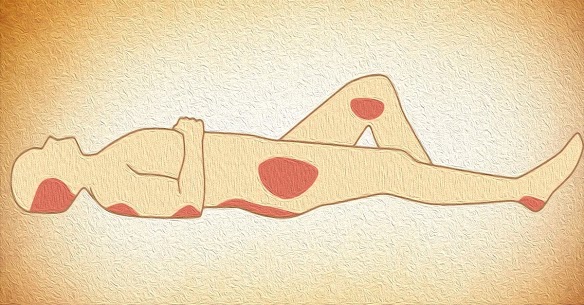
The areas most at risk are those where bones are close to the skin, such as the heels, ankles, hips, and the tailbone. For people living in warmer climates like ours, sweat and moisture can further irritate the skin, making it more prone to tearing. Therefore, managing the microclimate of the patient’s bed is just as important as the medical dressings used on the wound itself.
Key Stages of Wound Progression
Not all sores are the same, and identifying the stage of the wound helps in deciding the intensity of the care required.
- Initial Redness: The skin looks red or discolored but is not broken. It might feel warmer or cooler than the surrounding area.
- Partial Skin Loss: The top layer of skin is lost, looking like a blister or a shallow crater.
- Deep Tissue Damage: The wound goes deeper into the fatty tissue, often requiring professional intervention to clean the site.
- Severe Exposure: This is the most serious stage where muscles or bones might be visible, posing a high risk of infection.
When things reach a stage where home remedies are no longer sufficient, seeking the best bed sore treatment in Nagpur becomes a priority to prevent systemic infections that can affect the whole body.
Practical Steps for Daily Care and Prevention
Prevention is always better than cure, especially when dealing with fragile skin. Here are some practical ways to manage skin health for those with limited mobility.
Frequent Repositioning
The most effective way to prevent pressure build-up is to change the person’s position every two hours. If they are in a wheelchair, this should happen every fifteen minutes if possible. Using a simple logbook to track when the person was last turned can be very helpful for family caregivers.
Skin Hygiene and Moisture Control
Keep the skin clean and dry. Use mild soaps that do not strip away natural oils. In many Indian homes, we tend to use heavy powders, but these can sometimes clump and cause friction. Instead, look for barrier creams that protect the skin from moisture, especially for patients dealing with incontinence.
Nutritional Support
What happens inside the body reflects on the outside. A diet rich in protein, vitamins, and minerals helps the skin repair itself. Including local, nutrient-dense foods like lentils, eggs, and fresh vegetables can significantly speed up the healing process of existing wounds.
Advanced Management and Specialized Care
Sometimes, despite our best efforts at home, a wound may refuse to heal or might show signs of worsening. This is when specialized nursing care becomes vital. Professional caregivers understand the technical aspects of “debridement,” which is the removal of dead tissue to allow new skin to grow.
Common Myths About Bed Sores
There are several misconceptions that can lead to improper care. One common myth is that “massaging” a red spot will help blood flow. In reality, massaging a pressure sore can actually cause more damage to the delicate tissues underneath. Another myth is that wounds need to “breathe” by being left uncovered. Most modern medical advice suggests that a moist, controlled environment provided by a proper bandage actually helps the skin heal faster than a dry scab.
Frequently Asked Questions
1. How can I tell if a bed sore is getting infected? You should look for signs like increased swelling, pus-like discharge, a foul odor from the wound, or if the patient develops a fever. If the skin around the sore feels unusually hot or the redness is spreading, it is time to consult a healthcare professional immediately.
2. Is it possible to treat a bed sore entirely at home? Stage 1 and some Stage 2 sores can be managed at home with strict repositioning and hygiene. However, deeper wounds require professional cleaning and specific medical-grade dressings that are difficult to manage without training.
3. Does the choice of mattress really matter? Yes, it is one of the most important factors. Standard cotton mattresses often pack down and create hard surfaces. Alternating pressure air mattresses are highly recommended for bedbound individuals as they constantly change the pressure points on the body.
4. How long does it take for a bed sore to heal? Healing time varies based on the person’s overall health and the severity of the wound. A minor sore might heal in a few weeks with proper care, while deep ulcers can take several months and require intensive medical intervention.
5. What role does hydration play in skin health? Dehydrated skin is less elastic and more prone to breaking under pressure. Ensuring the patient drinks enough water and fluids throughout the day helps maintain skin integrity and aids the healing process.
6. Should I use antiseptic liquids directly on the wound? It is usually best to avoid harsh chemicals like undiluted hydrogen peroxide or iodine directly on a healing wound as they can damage the new, healthy cells. Saline solutions are generally preferred for cleaning unless a doctor suggests otherwise.
Moving Toward Recovery
Dealing with chronic wounds requires a lot of patience and a structured approach. It is not just about the medicine applied to the skin, but the lifestyle changes and the physical environment surrounding the patient. By focusing on nutrition, movement, and proper hygiene, the risk of complications can be significantly reduced.
For families in the city looking for a reliable path to recovery, engaging with local resources for bed sore treatment in Nagpur can provide the necessary relief. With the right combination of home care and professional medical support, it is entirely possible to manage these wounds effectively, allowing your loved ones to live with dignity and without the burden of constant pain.