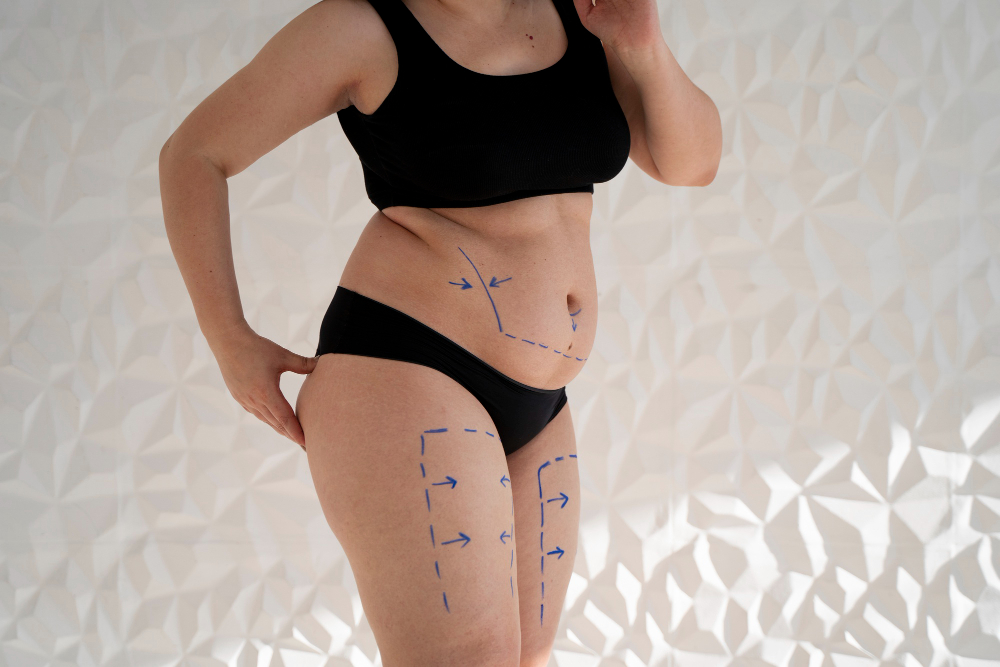

When it comes to body contouring, many individuals face the choice between Liposuction Surgery and non-surgical fat reduction treatments. Both options aim to reduce stubborn fat deposits, but they differ significantly in technique, results, recovery, and long-term effectiveness. Choosing the right approach depends on factors such as the patient’s body goals, areas of concern, tolerance for surgery, and desired speed of results. Understanding the advantages and limitations of each method is essential for making an informed decision about which procedure suits your needs best.
Understanding Liposuction Surgery:
Liposuction is a surgical procedure designed to remove localized fat deposits from targeted areas of the body. It involves making small incisions and using a cannula to suction out fat, allowing surgeons to sculpt the body with precision. Liposuction can treat multiple areas simultaneously and provide immediate, noticeable results. Key aspects of liposuction include:
-
Permanent removal of fat cells from treated areas.
-
Ability to target larger and more stubborn fat deposits.
-
Provides precise contouring and sculpting of the body.
-
Requires local or general anesthesia depending on the extent of treatment.
-
Involves a recovery period of several weeks with post-operative care.
Liposuction is ideal for patients seeking significant improvements in body shape and proportion with long-lasting results.
Understanding Non-Surgical Fat Reduction:
Non-surgical fat reduction methods are minimally invasive or non-invasive procedures that aim to reduce fat without surgery. These treatments often use technologies such as cryolipolysis, radiofrequency, ultrasound, or laser energy to break down fat cells. Results are gradual and typically require multiple sessions. Key features of non-surgical fat reduction include:
-
Non-invasive or minimally invasive techniques.
-
Little to no downtime after treatment.
-
Gradual fat reduction over several weeks or months.
-
Suitable for small, localized areas of fat.
-
Typically requires multiple sessions for optimal results.
Non-surgical methods appeal to individuals who prefer a less invasive approach and are willing to wait for subtle improvements.
Comparing Results:
One of the main differences between liposuction and non-surgical treatments is the speed and degree of visible results. Liposuction offers immediate contour improvements, while non-surgical methods provide gradual changes over time. Patients considering which option to choose should consider:
-
Liposuction delivers faster, more dramatic results.
-
Non-surgical treatments yield subtle, incremental improvements.
-
Liposuction allows customized body sculpting for multiple areas.
-
Non-surgical methods may be limited to smaller, targeted regions.
-
Results from liposuction are typically long-lasting with proper maintenance.
Choosing between the two often depends on the desired intensity and visibility of body contouring outcomes.
Recovery and Downtime:
Recovery requirements differ significantly between surgical and non-surgical fat reduction options. Liposuction requires more intensive post-operative care, whereas non-surgical treatments allow patients to resume daily activities almost immediately. Key recovery considerations include:
-
Liposuction involves swelling, bruising, and compression garment use.
-
Non-surgical treatments typically cause mild redness or temporary discomfort.
-
Liposuction may require 1–2 weeks before returning to work and normal routines.
-
Non-surgical methods allow immediate resumption of daily activities.
-
Both approaches benefit from healthy lifestyle habits to maintain results.
Recovery time can influence patient choice, especially for those with busy schedules or low tolerance for downtime.
Safety and Risks:
Both liposuction and non-surgical fat reduction are generally safe when performed by qualified professionals, but risks vary based on invasiveness. Liposuction, as a surgical procedure, carries more potential complications than non-surgical options. Key safety considerations include:
-
Liposuction risks: infection, anesthesia reactions, bleeding, and contour irregularities.
-
Non-surgical risks: temporary swelling, redness, or mild discomfort.
-
Both procedures require evaluation of medical history and candidacy.
-
Choosing experienced, board-certified practitioners reduces risk significantly.
-
Understanding the limitations and safety profile of each method helps patients make informed choices.
Patients must weigh the level of invasiveness against potential results and recovery demands when evaluating options.
Cost Considerations:
Cost differences between liposuction and non-surgical fat reduction can be significant. Liposuction typically involves higher upfront costs due to the surgical nature of the procedure, anesthesia, and facility fees. Non-surgical methods may require multiple sessions, which can also accumulate expenses. Important cost-related factors include:
-
Liposuction generally provides permanent fat removal in a single procedure.
-
Non-surgical treatments may require several sessions to achieve noticeable results.
-
Insurance typically does not cover cosmetic procedures.
-
Long-term maintenance costs may be lower for liposuction due to permanent fat removal.
-
Patients should consider total costs, including follow-ups and complementary treatments.
Evaluating cost alongside expected outcomes is essential for making the best decision for your budget and goals.
Suitability for Different Patients:
Not all patients are ideal candidates for both approaches. Factors such as body type, amount of fat, and personal goals influence which method is most appropriate. Key suitability considerations include:
-
Liposuction is best for patients seeking significant fat removal and body contouring.
-
Non-surgical treatments suit those with minor, localized fat deposits.
-
Liposuction may be more appropriate for individuals with stable weight and good skin elasticity.
-
Non-surgical options appeal to patients who prefer minimal invasiveness and gradual results.
-
Consultation with a qualified professional ensures the right method for individual goals and medical conditions.
Choosing the method that aligns with personal needs and expectations ensures satisfaction and safety.
Longevity of Results:
Results longevity is another factor differentiating liposuction from non-surgical fat reduction. While both can provide long-lasting outcomes, liposuction offers more permanent results if patients maintain healthy habits. Key points about results include:
-
Liposuction provides permanent removal of fat cells in treated areas.
-
Non-surgical methods may require ongoing sessions to maintain results.
-
Both approaches benefit from a balanced diet and regular exercise.
-
Weight fluctuations can affect remaining fat cells in both methods.
-
Choosing an approach with long-term sustainability improves overall satisfaction.
Patients seeking permanent contouring should consider how lifestyle and maintenance impact results.
Final Thoughts:
Choosing between Liposuction Surgery and non-surgical fat reduction depends on individual goals, tolerance for surgery, desired results, and recovery preferences. Liposuction offers dramatic, long-lasting results and precise body contouring, but requires surgery and recovery time. Non-surgical options provide gradual, low-risk improvements with minimal downtime, making them suitable for patients seeking subtle changes. Consulting with a qualified professional ensures the chosen approach aligns with personal expectations, lifestyle, and body contouring goals, helping patients achieve the best possible outcomes.