
Upgrading the lighting on your vehicle is one of the simplest yet most rewarding improvements you can make, whether you’re tackling rugged terrain, embarking on a long-distance adventure, or simply aiming for better visibility during night-time drives. A well-selected light bar not only enhances safety but also elevates your vehicle’s overall functionality. With so many options on the market, knowing what to look for ensures you make an informed and valuable investment.
In this guide, we’ll explore the key factors to consider when choosing the right light bar, the benefits of fitting one, and why they’ve become a go-to accessory for today’s outdoor enthusiasts.
Why Add a Light Bar to Your Vehicle?
Before diving into the details, it’s worth understanding why light bars have soared in popularity. Originally used in heavy-duty or commercial applications, they’ve now become mainstream thanks to advancements in LED technology and increasingly accessible pricing. The combination of durability, brightness, and energy efficiency makes them ideal for recreational and work vehicles alike.
1. Improved Visibility in All Conditions
Light bars are particularly useful for night-time driving, off-road adventures, or poor weather. They illuminate a broader and longer stretch of road compared to standard headlights, reducing hazards and helping you spot obstacles more quickly.
2. Enhanced Safety and Confidence
Driving through remote or unlit areas can be daunting. A high-quality light bar adds a sense of security by delivering consistent, powerful lighting. This proves invaluable during camping trips, exploring new tracks, or even in unexpected emergencies.
3. Practical for Work and Utility Vehicles
Tradies, farmers, and emergency responders often rely on additional lighting for tasks carried out early in the morning or after dark. In such cases, a light bar becomes indispensable, offering reliable illumination exactly where needed.
Key Factors to Consider When Buying a Light Bar
Choosing the right product involves more than picking the brightest option. Several elements influence performance and suitability.
1. Beam Type: Spot, Flood, or Combo?
- Spot beams project a narrow, long-distance beam, ideal for open-road and high-speed driving.
- Flood beams provide wider coverage, perfect for slow-moving off-road driving or workplace environments.
- Combo beams give you the best of both worlds- distance and spread, making them the most popular choice.
2. Brightness and Lumens
While brighter may sound better, excessive brightness can cause unnecessary glare or drain power if not managed correctly. Look for a well-designed optic system rather than simply comparing lumen numbers. A quality light bar focuses its output efficiently, providing clear and usable light.
3. Size and Fitment
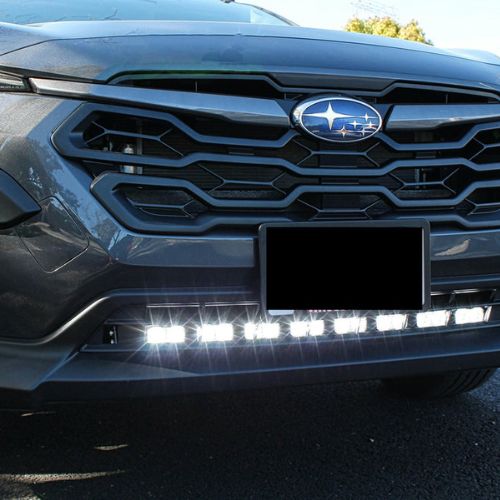
Light bars come in various lengths, from compact 7-inch models to large 50-inch profiles. The right size depends on your vehicle and mounting location. Mid-sized models are common for 4WDs, while smaller bars suit ATVs, roof racks, or front bumpers. For specific makes such as the Chevy Colorado light bar, drivers often prefer a slimline design that blends seamlessly with the vehicle’s front end, and similar considerations apply when selecting a Subaru outback led light bar.
4. Durability and Build Quality
Your light bar should be able to withstand Australia’s unpredictable environment from intense heat to torrential rain and rugged off-road conditions. Choose bars with:
- IP67 or IP68 waterproof ratings
- High-quality aluminium housing
- Shatter-resistant polycarbonate lenses
- UV-resistant coatings
A robust build ensures long-term performance without frequent replacements.
5. Colour Temperature
Most LED light bars operate between 5,000K and 6,500K on the colour temperature scale, producing a crisp white light. Cooler temperatures offer slightly better visibility, but warmer tones can help reduce eye strain in dusty or foggy conditions.
6. Ease of Installation
A good light bar should come with a user-friendly mounting kit, clear instructions, and compatible wiring harnesses. Whether you choose to install it yourself or hire a professional, a simple setup saves time and prevents electrical issues down the track.
Where to Mount Your Light Bar
Mounting position significantly affects performance and compliance with road regulations.
Roof Mount
A popular choice for off-roaders, roof-mounted light bars give you wide, far-reaching illumination. However, reflectiveness on bonnets can sometimes diminish visibility.
Front Bumper or Grille Mount
This placement offers a balanced field of vision and maintains a clean vehicle profile. For vehicles similar to those using a chevy colorado light bar kit, a bumper mount often provides the best blend of practicality and aesthetics.
Number Plate or Bull Bar Mount
Easy to install and legally compliant in most areas, these mounts are ideal for smaller light bars or secondary lighting setups.
Final Thoughts
A good light bar not only enhances your driving experience but also makes every journey safer and more enjoyable. Whether you’re exploring the outback or navigating dark rural roads, investing in the right lighting solution ensures you’re always prepared. With quality construction, thoughtful design, and reliable performance, the right light bar quickly becomes a trusted companion for any adventure.
For more automotive enhancement solutions and lighting accessories, you can explore trusted providers such as M&R Automotive.