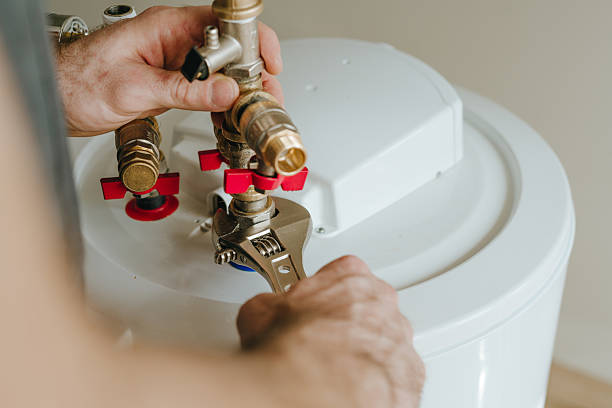

That steady drip from the kitchen tap. The faint hiss behind the bathroom wall. It’s tempting to put it on the “fix it someday” list but leaking taps and pipes are two of the most deceptively costly problems an Australian homeowner can ignore. Knowing when to grab a spanner and when to call a trusted plumber in Craigieburn could save you hundreds, or even thousands, of dollars in damage.
Why Leaking Taps and Pipes Are a Bigger Deal Than You Think
Most people underestimate just how much water a leaking tap can waste. A single dripping tap losing just one drop per second can waste more than 12,000 litres of water a year and that’s before you even factor in the impact on your water bill. Multiply that across two or three leaking fixtures, and you’re looking at a serious financial and environmental problem.
For homeowners in Craigieburn and the broader northern growth corridor of Melbourne, where water costs are a real consideration and new housing stock is expanding rapidly, staying on top of plumbing issues is essential. The good news is that most leaks — when caught early — are straightforward and affordable to fix.
Common Causes of Leaking Taps in Australian Homes
Not all leaking taps are created equal. The fix — and whether you need a professional plumber — depends heavily on the cause. Here are the most common culprits:
- Worn tap washers: The most common cause of a dripping tap. Over time, rubber washers compress and deteriorate, allowing water to seep past even when the tap is fully closed. A simple washer replacement often sorts this out.
- Damaged O-rings: The O-ring seals the tap spindle and can wear down with regular use, causing leaks around the base of the tap.
- Corroded valve seat: The valve seat connects the tap and the spout. Sediment build-up can cause corrosion here, leading to leaks around the spout area.
- Loose packing nuts: The packing nut sits above the stem screw in a tap. When it loosens, water can leak from the handle area.
- High water pressure: Unusually high water pressure can force water through joints and valves, causing leaks at unexpected points throughout the system.
- Cracked or deteriorating cartridges: In modern mixer taps, the cartridge controls hot and cold water flow. When it cracks or wears out, leaks and poor flow are common results.
Common Causes of Leaking Pipes
Leaking pipes are a different beast to leaking taps — and generally more serious. Pipes run through walls, under floors, and underground, meaning a small leak can go undetected for weeks or months before causing major damage. Common causes include:
- Corrosion: Older copper or galvanised steel pipes — common in homes built before the 1980s — can corrode from the inside out over time, leading to pinhole leaks and eventual pipe failure.
- Joint failure: The joints and fittings that connect pipes together are common failure points, especially when pipes expand and contract with temperature changes.
- Tree root intrusion: Roots from established trees are drawn to moisture and can penetrate underground pipes, causing cracks and blockages.
- High water pressure: Just as with taps, excessive water pressure puts stress on pipe joints and can cause failures over time.
- Earthquake or ground movement: In newer growth areas like Craigieburn, soil settlement and ground movement can shift and stress underground pipes.
- Physical damage: Renovation works, drilling, or accidental impact can nick or crack pipes inside walls and floors.
Warning Signs You Have a Leaking Pipe (Even If You Can’t See It)
The tricky thing about leaking pipes is that many are hidden. By the time you can physically see a leak, significant damage may already have occurred. Watch out for these early warning signs:
- An unexplained spike in your water bill with no change in usage
- Damp or wet patches on walls, ceilings, or floors with no obvious cause
- Mould or mildew appearing on internal walls or in cupboards
- Low water pressure throughout the home, or in specific areas
- The sound of running water when all taps and appliances are turned off
- Musty or earthy smells inside the home, particularly in bathrooms or laundries
- Warping, bubbling, or staining on paint, wallpaper, or plasterboard
- Unexpectedly lush or saturated patches of lawn over underground pipes
DIY Fixes vs. Calling a Plumber: Where’s the Line?
Aussies are a handy bunch, and there’s nothing wrong with tackling minor plumbing jobs yourself if you have the tools, confidence, and a bit of know-how. But it’s important to know where the DIY zone ends and where a licensed tradie must step in.
Tasks that are generally safe for confident DIYers
•Replacing a tap washer on a standard cold water tap
•Replacing an O-ring on an outdoor tap
•Tightening a loose packing nut on a leaking tap handle
•Replacing a showerhead or tap aerator
•Fixing a minor drip from an external garden tap
When you must call a licensed plumber in Craigieburn
In Victoria, the Plumbing Regulations are clear: any plumbing work beyond basic maintenance must be carried out by a licensed plumber. This isn’t just red tape unlicensed plumbing work can void your home insurance, create safety hazards, and result in hefty fines. Always call a professional for:
•Any leak inside walls, under floors, or underground
•Replacing or repairing hot water system connections
•Replacing tap bodies, mixer cartridges, or internal valve components
•Installing or replacing tapware in kitchens or bathrooms
•Any work involving the main water supply line or stopcock
•Leaks at pipe joints behind walls or under the house
•Repairing or replacing PVC, copper, or PEX pipework
•Any gas or hot water-related plumbing
The Real Cost of Ignoring a Leaking Tap or Pipe
It’s easy to rationalise putting off a repair. But the financial reality of ignoring even a small leak can be eye-opening:
- Water bills: A leaking tap wastes thousands of litres annually. In Melbourne, where water usage is metered, this adds up quickly on your quarterly bill.
- Structural damage: Water leaking inside walls or under floors can rot timber framing, warp floorboards, and compromise plasterboard — repairs that easily run into thousands of dollars.
- Mould remediation: Persistent moisture from hidden leaks creates the perfect environment for mould. Professional mould remediation is expensive and disruptive.
- Foundation damage: Long-term water leaking under a slab or near footings can cause soil erosion and foundation movement — one of the most costly structural repairs a homeowner can face.
- Insurance complications: Many home insurers will deny claims for water damage if it can be shown the leak was a known issue that wasn’t repaired in a timely manner.
A $150 tap repair today versus a $10,000 mould and structural remediation job in twelve months — the maths isn’t complicated.
What to Expect When You Call a Plumber in Craigieburn
If you’ve decided to call in a professional — good call. Here’s what a reputable local plumber should do when attending a leaking tap or pipe job:
- Upfront assessment: A good plumber will inspect the problem thoroughly before quoting. They’ll check the tap or pipe, assess water pressure, and look for signs of related issues.
- Clear quote before starting: You should always receive a written quote before any work begins. Reputable plumbers in Craigieburn don’t surprise you with hidden charges after the fact.
- Proper diagnosis of root causes: Rather than just treating the symptom, a skilled plumber will identify why the leak occurred — whether it’s a worn washer, high pressure, or a failing joint — and fix the underlying issue.
- Compliance certificate: For any notifiable plumbing work, your plumber must provide a Certificate of Compliance. This is a legal requirement in Victoria and protects you as the homeowner.
- Clean and tidy workmanship: A professional trades person leaves the job site clean. If pipes were accessed through walls or floors, the area should be made good before they leave.
How to Find a Reliable Plumber in Craigieburn
Not all plumbers are created equal. When you’re searching for a plumber Craigieburn homeowners can trust, keep these points in mind:
- Fully licensed and insured: Always verify their VBA licence. A licensed plumber carries full public liability insurance, protecting you if anything goes wrong on the job.
- Local experience: A plumber who works regularly in Craigieburn and suburbs like Roxburgh Park, Mickleham, and Kalkallo will understand local pipe materials, soil conditions, and common issues specific to the area.
- Transparent pricing: Avoid any tradesperson who won’t provide a written quote upfront. Reputable plumbers are happy to explain their pricing clearly.
- Strong reviews: Check Google reviews, ProductReview, or word of mouth from neighbours and local community groups. Consistent positive feedback from Craigieburn locals is a great sign.
- Available for emergencies: Burst pipes and severe leaks don’t wait for business hours. A quality local plumber will offer emergency callout services for urgent situations.
- Equipped for diagnostics: For suspected hidden leaks, look for a plumber who offers leak detection technology such as thermal imaging or acoustic listening devices.
Preventing Leaking Taps and Pipes: Practical Tips for Homeowners
The best leak is the one that never happens. Here are some practical steps Craigieburn homeowners can take to reduce the risk of leaking taps and pipes:
- Don’t overtighten taps — it accelerates washer wear and can crack fittings
- Check your water pressure with an inexpensive gauge — ideal residential pressure is between 200–500 kPa
- Install a pressure-limiting valve if your mains pressure runs high — your plumber can advise
- Inspect accessible pipes under sinks and in the laundry every six months for signs of corrosion or drips
- Monitor your water meter — if the dial is moving when all water is off, you likely have a hidden leak
- Book a plumbing health check every two to three years, especially in homes over ten years old
- Know where your main water shutoff valve is — in a plumbing emergency, every second counts
Frequently Asked Questions
How much does it cost to fix a leaking tap in Craigieburn?
The cost varies depending on the type of tap and the nature of the fault. A basic washer replacement typically starts from around $100–$180, including call-out. Replacing a mixer cartridge or tap body can range from $200–$500. Always ask for a fixed quote before work begins.
Can a leaking tap increase my water bill?
Absolutely. A single dripping tap can waste over 12,000 litres per year — that’s a meaningful addition to your water bill each quarter. Multiple leaks compound this significantly.
How do I know if I have a hidden pipe leak?
The most reliable method is to check your water meter. Turn off all taps and water-using appliances, then check if the meter dial is still moving. If it is, water is escaping somewhere. Call a plumber in Craigieburn who offers leak detection services.
Is it legal to fix a leaking pipe myself in Victoria?
In Victoria, minor maintenance like replacing a tap washer is generally permitted. However, any work that involves opening walls, replacing pipework, or working on the water main must be done by a licensed plumber. Unlicensed plumbing work can void your home insurance.
What should I do if a pipe bursts?
Turn off the main water supply immediately at the stopcock (usually located near the water meter). Then call an emergency plumber. While waiting, move furniture and valuables away from the affected area and use towels to contain water spread.
The Bottom Line
Leaking taps and pipes are among the most common and most preventable — plumbing issues in Australian homes. Whether it’s a persistent drip that’s slowly inflating your water bill or a silent pipe leak working its way through your walls, the message is the same: act early, act smart.
For Craigieburn homeowners, finding a reliable, licensed plumber who knows the area isn’t just about convenience it’s about protecting one of your most valuable assets. When in doubt, pick up the phone. A quick professional assessment costs far less than the damage a neglected leak can cause.
Don’t wait for a drip to become a disaster call a trusted plumber in Craigieburn today.