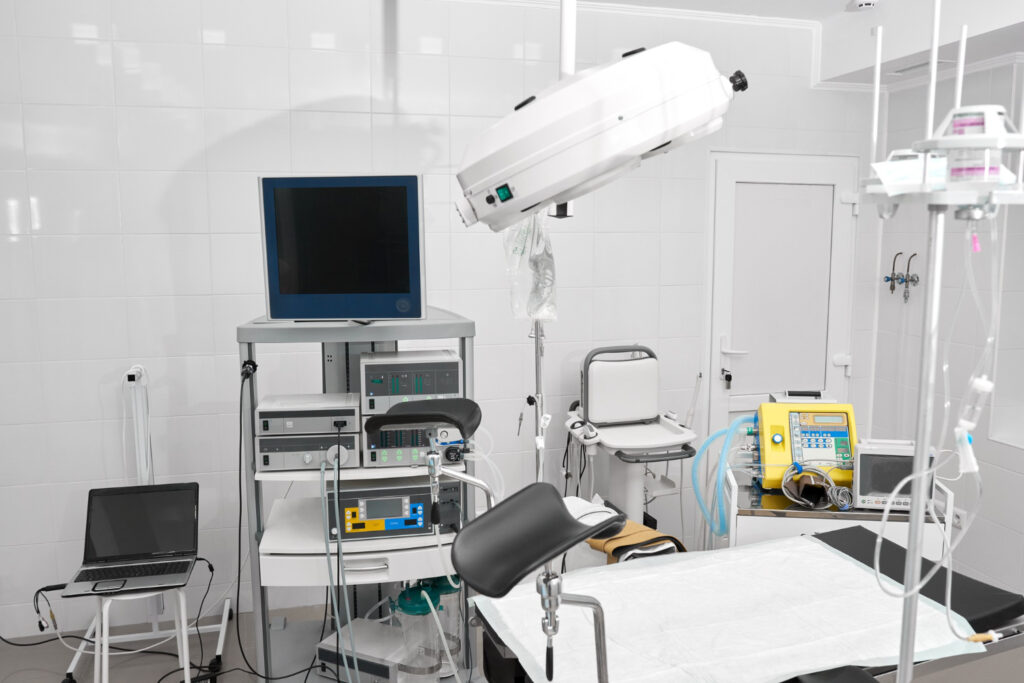

A Laparoscopy Camera plays an essential role in modern minimally invasive surgical procedures. It allows surgeons to view internal organs and tissues with high clarity during operations performed through small incisions. The camera is attached to a laparoscope and sends real-time images to a monitor, helping medical professionals perform surgeries with greater precision and safety.
With advancements in medical imaging technology, healthcare facilities now rely on high-definition visualization systems to improve surgical outcomes. A quality Laparoscopy Camera helps reduce complications, enhances visibility, and supports faster patient recovery. Hospitals, surgical centers, and healthcare professionals continue to invest in advanced imaging equipment to meet the growing demand for minimally invasive procedures.
What is a Laparoscopy Camera?
A Laparoscopy Camera is a medical imaging device used during laparoscopic surgery. It captures internal images of the body through a thin instrument called a laparoscope. The device transmits live video footage to a monitor, enabling surgeons to operate without making large surgical cuts.
The system usually includes:
- Camera head
- Light source
- Lens system
- Video processor
- Display monitor
The camera is connected to the laparoscope, which is inserted through a small incision. This setup allows surgeons to observe organs and tissues clearly during procedures involving the abdomen or pelvis.
Importance of a Laparoscopy Camera in Surgery
Modern minimally invasive surgery depends heavily on visual clarity. A Laparoscopy Camera provides accurate imaging that helps surgeons perform delicate procedures more effectively.
Enhanced Visualization
The camera delivers magnified images of internal structures. This improved visualization helps surgeons identify tissues, blood vessels, and organs with greater accuracy.
Smaller Incisions
Traditional surgery often requires large cuts, but laparoscopic procedures only need small incisions. The camera enables precise surgical movement while minimizing trauma to the patient.
Faster Recovery
Patients undergoing laparoscopic surgery generally experience shorter hospital stays and quicker recovery periods. High-quality imaging systems contribute to safer and smoother procedures.
Reduced Risk of Complications
A reliable Laparoscopy Camera improves surgical precision, reducing the risk of unnecessary tissue damage and surgical errors.
Components of a Laparoscopy Camera System
Understanding the main components of a laparoscopic imaging system helps explain how the technology functions effectively in operating rooms.
Camera Head
The camera head captures the images transmitted through the laparoscope. Modern systems offer lightweight and ergonomic designs for easy handling during long surgeries.
Light Source
Proper illumination is essential during minimally invasive procedures. LED and xenon light sources are commonly used to provide bright and consistent lighting.
Video Processor
The processor converts captured images into high-quality digital video. Advanced processors improve color accuracy and image sharpness.
Monitor
The monitor displays live surgical footage. High-definition and 4K monitors are widely preferred because they provide better image clarity.
Laparoscope
The laparoscope is a thin tube with a lens and lighting system attached to the camera setup. It allows surgeons to view internal areas without large incisions.
Types of Laparoscopy Camera Systems
Different imaging systems are available depending on the surgical requirements and healthcare facility budget.
Standard Definition Cameras
These systems provide basic image quality and are suitable for general procedures. They are commonly found in smaller healthcare centers.
High-Definition Cameras
HD systems offer clearer and sharper images. They help improve visualization during complex procedures.
3D Camera Systems
Three-dimensional imaging technology gives surgeons better depth perception during surgery. This feature improves hand-eye coordination and surgical precision.
4K Imaging Systems
4K technology delivers ultra-high-definition visuals with exceptional detail. Many modern hospitals prefer these systems for advanced laparoscopic surgeries.
Applications of a Laparoscopy Camera
A Laparoscopy Camera is widely used across multiple medical specialties. Its versatility makes it a valuable tool in modern healthcare.
General Surgery
Laparoscopic imaging systems are commonly used for gallbladder removal, hernia repair, and appendix surgeries.
Gynecology
Gynecologists use laparoscopic procedures for ovarian cyst removal, hysterectomy, and fertility-related treatments.
Urology
Urologists rely on advanced imaging systems during kidney and prostate surgeries.
Gastrointestinal Surgery
Procedures involving the stomach, intestines, and digestive tract often require high-quality laparoscopic visualization.
Bariatric Surgery
Weight-loss surgeries are frequently performed using minimally invasive techniques supported by advanced camera systems.
Features to Consider in a Laparoscopy Camera
Healthcare providers should evaluate several factors before selecting a surgical imaging system.
Image Quality
Clear imaging is critical for accurate surgical performance. HD and 4K systems provide superior visualization.
Ergonomic Design
A lightweight and easy-to-handle camera head reduces fatigue during lengthy procedures.
Durability
Medical equipment must withstand regular sterilization and continuous operating room use.
Compatibility
The camera system should integrate smoothly with existing surgical equipment and monitors.
Illumination Performance
Strong and consistent lighting improves visibility during procedures involving deep internal structures.
Advantages of Modern Laparoscopy Camera Technology
Technological innovation continues to improve surgical imaging systems significantly.
Better Surgical Precision
Modern cameras help surgeons perform delicate procedures with improved accuracy.
Improved Training Opportunities
Recorded laparoscopic procedures support medical education and surgical training programs.
Digital Integration
Advanced systems allow image storage, video recording, and integration with hospital management systems.
Enhanced Patient Satisfaction
Smaller scars, reduced pain, and shorter recovery periods contribute to improved patient experiences.
Challenges in Using a Laparoscopy Camera
Despite its advantages, some challenges remain in laparoscopic imaging technology.
Equipment Cost
High-end imaging systems can require significant investment for healthcare facilities.
Maintenance Requirements
Regular maintenance and sterilization are necessary to ensure proper functionality.
Learning Curve
Surgeons and operating staff require training to use advanced imaging systems effectively.
Technical Issues
Camera fogging, lighting problems, or image delays may occasionally affect surgical procedures.
Future Trends in Laparoscopic Imaging
The future of minimally invasive surgery continues to evolve with technological advancements.
Artificial Intelligence Integration
AI-assisted imaging may help surgeons identify anatomical structures more accurately during procedures.
Robotic Surgery Support
Advanced laparoscopic cameras are increasingly integrated into robotic-assisted surgical systems.
Improved 3D Visualization
Future systems are expected to provide more realistic depth perception and enhanced imaging quality.
Wireless Technology
Wireless camera systems may improve operating room flexibility and reduce cable management issues.
Conclusion
A Laparoscopy Camera has become an essential component of modern minimally invasive surgery. It provides surgeons with high-quality visualization, enabling safer and more precise procedures across multiple medical specialties. From standard imaging systems to advanced 4K and 3D technologies, these devices continue to improve surgical outcomes and patient recovery experiences.
As medical technology advances, healthcare facilities increasingly depend on reliable laparoscopic imaging systems to meet the demands of modern surgical care. Choosing the right camera system can significantly enhance surgical efficiency, improve visualization, and support better patient outcomes in minimally invasive procedures.