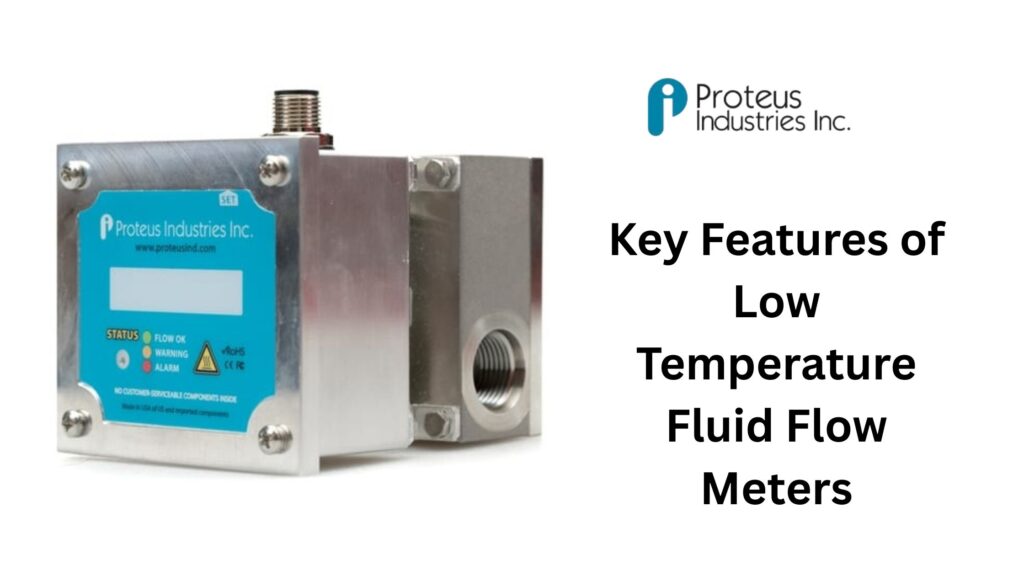

Measuring fluid flow in low-temperature and cryogenic environments is critical for many industrial processes. Industries such as LNG, chemical processing, and aerospace rely on precise flow data to maintain safety, efficiency, and product quality. Standard flow meters often fail in extreme cold due to material brittleness, sensor errors, and electronic instability. This is why specialized devices, such as a low temperature fluid flow meter, are designed to perform reliably in harsh cold conditions. In this article, we will explore the key features, technologies, and benefits that make these flow meters essential for modern industrial applications.
What Are Low Temperature Fluid Flow Meters?
A low temperature fluid flow meter is a specialized device designed to measure liquid flow accurately in sub-zero and cryogenic conditions. These meters are commonly used in environments where temperatures can drop below –50°C and even reach cryogenic levels such as –196°C for liquid nitrogen or LNG applications. Unlike standard flow meters, low-temperature models are engineered with specialized materials, sensors, and electronics that can withstand extreme thermal stress without losing accuracy or functionality.
Features
Cryogenic-Compatible Materials
One of the most important features of a low temperature fluid flow meter is its use of cryogenic-compatible materials. Stainless steel, nickel-based alloys, and other specialized metals are commonly used to prevent brittleness and cracking at low temperatures. These materials resist thermal contraction and maintain structural integrity under extreme cold. Durable seals and gaskets made from PTFE or elastomers designed for cryogenic use ensure leak-free operation and prevent failure caused by temperature-induced material shrinkage.
High-Accuracy Sensors for Extreme Cold
Accurate sensing technology is critical in low-temperature applications. Specialized sensors in a low temperature fluid flow meter are designed to remain stable even when temperatures fluctuate rapidly. These sensors compensate for changes in fluid density and viscosity due to cold conditions, ensuring precise, repeatable measurements. High-accuracy sensors are essential for process control, energy management, and safety in cryogenic and industrial systems.
Advanced Signal Processing Electronics
Modern low-temperature flow meters use advanced digital signal processing (DSP) electronics to maintain accuracy in harsh environments. These electronic filters remove noise, stabilize signals, and correct measurement errors caused by temperature variations. Reliable electronics ensure the low-temperature fluid flow meter delivers consistent data to control systems, even in electrically noisy or harsh industrial settings.
Thermal Insulation and Condensation Protection
Thermal insulation is a key feature of low-temperature flow meters. Insulated housings prevent icing and condensation that could affect sensor performance and electronics. Protective enclosures shield the meter from moisture and frost buildup, ensuring long-term stability. A well-designed low temperature fluid flow meter maintains accurate readings even in environments with extreme temperature gradients and humidity.
Wide Operating Temperature and Pressure Range
A major advantage of low-temperature flow meters is their ability to operate across a wide temperature and pressure range. These meters can handle extreme cold while also managing high-pressure fluid systems, making them suitable for LNG pipelines, cryogenic storage, and industrial processing. A wide measurement range ensures versatility and adaptability across multiple industrial applications.
Robust and Industrial-Grade Housing Design
Low-temperature flow meters are built with robust, industrial-grade housings to withstand harsh conditions. Metal enclosures protect against mechanical damage, vibration, and environmental exposure. Many models feature IP-rated protection to prevent dust and moisture ingress. A rugged housing design ensures that the low temperature fluid flow meter performs reliably in demanding industrial environments.
Compatibility with Industrial Control Systems
Integration with automation systems is essential in modern industries. A low temperature fluid flow meter typically supports standard output signals such as 4–20 mA, pulse outputs, and digital protocols like Modbus or HART. These features allow seamless integration with PLC, SCADA, and DCS systems, enabling real-time monitoring and automated process control in Industry 4.0 environments.
High Reliability and Long-Term Stability
Long-term stability is a key requirement for industrial measurement devices. Low-temperature flow meters are designed with low drift characteristics, reducing the need for frequent recalibration. Their durable construction and stable sensors ensure long service life in cryogenic environments. High reliability minimizes downtime and improves operational efficiency.
Safety and Compliance Features
Safety is a critical concern in cryogenic and hazardous processes. Many low-temperature flow meters comply with international standards such as ISO, IEC, and ATEX. These certifications ensure safe operation in explosive or hazardous environments. A certified low temperature fluid flow meter helps industries meet regulatory requirements and maintain safe working conditions.
Low Maintenance and Easy Calibration
Low-temperature flow meters are designed for minimal maintenance and easy calibration. Advanced diagnostics and self-monitoring features help detect issues before they cause failures. Reduced calibration frequency and simplified maintenance procedures lower operational costs and improve system uptime.
Applications of Low Temperature Fluid Flow Meters
Low-temperature flow meters are widely used in various industries, including:
- LNG and cryogenic gas processing
- Chemical and petrochemical industries
- Pharmaceutical manufacturing and cold storage
- Food and beverage cold processing
- Aerospace and scientific research laboratories
These applications require precise and reliable flow measurement under extreme cold conditions.
Future Trends in Low Temperature Flow Meter Technology
Future advancements in low-temperature flow measurement include smart sensors, IoT-enabled monitoring, and digital diagnostics. Integration with Industry 4.0 platforms will enable predictive maintenance and real-time analytics. Advanced materials and sensor innovations will further improve the accuracy and durability of the low temperature fluid flow meter in extreme environments.
Conclusion
Low-temperature flow measurement requires specialized technology to ensure accuracy, safety, and reliability. A low temperature fluid flow meter offers cryogenic-compatible materials, advanced sensors, robust electronics, and seamless integration with industrial control systems. These features make it essential for modern industries operating in extreme cold environments. Engineers and decision-makers should carefully evaluate flow meter features to select the most reliable solution for their applications and ensure efficient, safe, and long-term industrial operations.