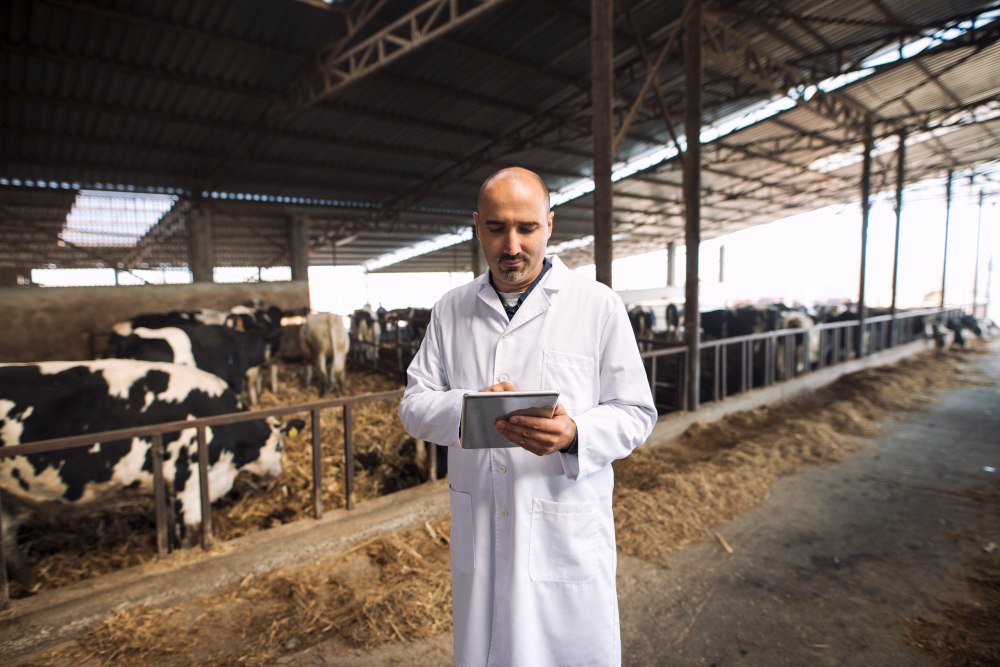

The dairy industry operates in one of the most complex manufacturing and distribution environments. From milk procurement and quality testing to cold-chain logistics, regulatory compliance, and fluctuating demand, dairy businesses face daily operational challenges. As competition intensifies and margins tighten, many dairy companies are asking a critical question:
Is ERP worth the investment for the dairy industry?
The short answer is yes—when implemented correctly, an ERP system delivers measurable operational improvements and strong long-term ROI. In this blog, we break down the key benefits of ERP for dairy businesses, how it impacts profitability, and how to calculate return on investment.
Understanding ERP in the Dairy Industry
An ERP (Enterprise Resource Planning) system integrates all core dairy operations into a single platform. This includes:
- Milk collection and procurement
- Quality testing and batch traceability
- Production planning and yield management
- Inventory and cold storage control
- Sales, distribution, and route management
- Finance, compliance, and reporting
Unlike generic ERP systems, dairy-specific ERP solutions are designed to handle perishability, fat/SNF variations, shelf-life tracking, and regulatory requirements unique to the dairy sector.
Key Challenges Faced by Dairy Businesses Without ERP
Before evaluating ERP ROI, it’s important to understand the cost of not having one:
- Manual data entry across departments
- Lack of real-time visibility into milk quality and stock
- High wastage due to expiry or poor demand planning
- Inefficient production scheduling
- Compliance risks and audit delays
- Disconnected finance and operations data
These inefficiencies silently erode profitability and limit scalability.
Top Benefits of ERP for the Dairy Industry
1. End-to-End Traceability and Quality Control
ERP systems enable complete traceability from farm to finished product. Each batch of milk can be tracked for:
- Source and supplier details
- Fat/SNF content and quality parameters
- Processing, packaging, and expiry dates
Business impact:
✔ Faster recalls
✔ Improved food safety
✔ Increased customer trust
✔ Reduced compliance risk
2. Reduced Wastage and Better Shelf-Life Management
Dairy products are highly perishable. ERP helps manage:
- FIFO/FEFO inventory logic
- Real-time stock visibility
- Automated expiry alerts
Business impact:
✔ Lower spoilage rates
✔ Reduced write-offs
✔ Optimized cold storage utilization
Even a 2–5% reduction in wastage can significantly improve margins.
3. Optimized Production Planning and Yield Improvement
ERP systems analyze demand forecasts, available milk, and production capacity to:
- Optimize batch sizes
- Reduce overproduction
- Improve yield per liter of milk
Business impact:
✔ Higher production efficiency
✔ Lower energy and labor costs
✔ Better utilization of raw milk
4. Faster and More Accurate Milk Procurement Payments
For dairies working with farmers and cooperatives, ERP automates:
- Milk collection data
- Quality-based pricing
- Farmer payments and settlements
Business impact:
✔ Transparent pricing
✔ Improved farmer relationships
✔ Reduced disputes and manual errors
5. Improved Cold Chain and Distribution Efficiency
ERP integrates logistics, route planning, and sales orders to ensure:
- Timely deliveries
- Optimized delivery routes
- Real-time vehicle and stock tracking
Business impact:
✔ Lower fuel and logistics costs
✔ Reduced delivery delays
✔ Better customer satisfaction
6. Regulatory Compliance and Audit Readiness
Dairy businesses must comply with food safety and regulatory standards. ERP ensures:
- Automated compliance documentation
- Batch-level reporting
- Faster audits and inspections
Business impact:
✔ Reduced compliance costs
✔ Lower legal and operational risks
✔ Better brand credibility
ROI: How ERP Pays for Itself in the Dairy Industry
ERP ROI is not just about cost savings—it’s about long-term business value.
Tangible ROI Metrics
Dairy companies typically see ROI from:
- 10–20% reduction in operational costs
- 15–30% improvement in inventory accuracy
- 20–40% faster reporting and decision-making
- Lower wastage and recalls
Most mid-sized dairy businesses recover their ERP investment within 12–24 months.
Intangible but High-Impact Returns
- Data-driven decision-making
- Scalability for new plants or products
- Stronger distributor and retailer relationships
- Increased customer trust and brand reputation
These benefits compound over time and are difficult to achieve without ERP.
Is ERP Worth It for Small and Mid-Sized Dairies?
Yes—especially with modular and scalable ERP platforms like Odoo.
Modern ERP systems allow dairy businesses to:
- Start with essential modules (procurement, production, inventory)
- Scale gradually as operations grow
- Avoid heavy upfront IT costs
Cloud-based ERP also reduces infrastructure expenses while improving accessibility and security.
Key Factors That Influence ERP ROI
To maximize ROI, dairy businesses should focus on:
- Choosing a dairy-focused ERP solution
- Working with an experienced ERP implementation partner
- Training staff and ensuring user adoption
- Aligning ERP goals with business KPIs
- Continuously optimizing processes post-implementation
Final Verdict: Is ERP Worth It for the Dairy Industry?
ERP is no longer a luxury—it’s a strategic necessity for dairy businesses aiming to improve efficiency, ensure compliance, reduce wastage, and scale sustainably.
With rising input costs, stricter regulations, and increasing customer expectations, ERP delivers both operational resilience and measurable ROI. For dairies planning long-term growth, ERP is not just worth it it’s essential.