
Dental implant treatment has become one of the most popular and reliable solutions for replacing missing teeth. Yet, one of the most common concerns people have before choosing this procedure is simple: Will it hurt?
If you’re considering dental implants, understanding what to expect can ease your anxiety and help you make an informed decision. Let’s break it down step by step.
Understanding Dental Implant Treatment
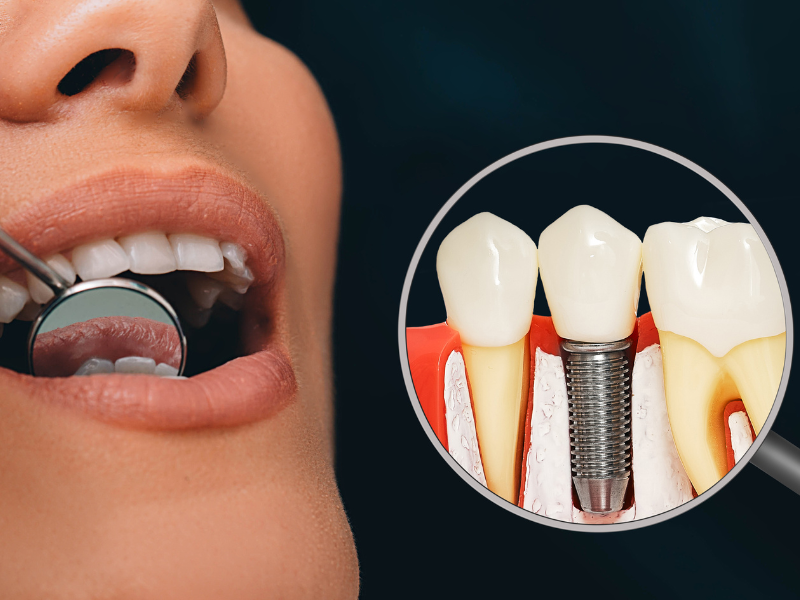
A dental implant is a small titanium post that is surgically placed into your jawbone to act as an artificial tooth root. Once it heals and integrates with the bone, a crown is placed on top, restoring both function and appearance.
The treatment typically involves three main stages:
- Implant placement
- Healing and bone integration (osseointegration)
- Placement of the final crown
While the word “surgery” may sound intimidating, modern dental techniques have made the procedure far more comfortable than most people expect.
Is Dental Implant Treatment Painful?
The short answer: No, the procedure itself is usually not painful.
During the implant placement, your dentist or oral surgeon uses local anesthesia to numb the area completely. This means you won’t feel pain during the surgery—only slight pressure or movement.
Many patients are surprised to report that the experience is similar to, or even easier than, a tooth extraction.
For those who feel anxious, sedation options are also available, helping you stay relaxed throughout the procedure.
What You May Feel During the Procedure
Even though you won’t feel pain, you may notice:
- Mild pressure in the jaw
- Vibrations from dental instruments
- Slight discomfort from keeping your mouth open
These sensations are normal and temporary. Your dental team will ensure you’re comfortable at every step.
What to Expect After the Procedure
Once the anesthesia wears off, it’s normal to experience some level of discomfort. However, this is typically manageable and short-lived.
Common post-procedure symptoms include:
- Mild swelling around the gums and face
- Slight bruising
- Minor bleeding
- Soreness at the implant site
Most patients describe the discomfort as mild to moderate, similar to what you might feel after a routine dental extraction.
How Long Does the Pain Last?
Pain and discomfort usually peak within the first 24–48 hours after the procedure and gradually decrease over the next few days.
Here’s a general timeline:
- Day 1–2: Mild to moderate discomfort and swelling
- Day 3–5: Noticeable improvement
- After 1 week: Minimal to no pain for most patients
If pain persists or worsens beyond this period, it’s important to contact your dentist.
Tips to Manage Pain and Discomfort
To ensure a smooth recovery, your dentist will provide aftercare instructions. Following them carefully can significantly reduce discomfort.
Here are some helpful tips:
- Take prescribed or over-the-counter pain medications as directed
- Apply ice packs to reduce swelling
- Stick to soft foods like yogurt, soups, and mashed potatoes
- Avoid smoking and alcohol, as they can delay healing
- Maintain good oral hygiene, but be gentle around the implant area
Proper care not only minimizes pain but also promotes faster healing.
Your experience with dental implant treatment depends greatly on the clinic and expertise of the dentist you choose. If you are searching for the best dental implant treatment in mulund east, it’s important to select a clinic that offers advanced technology, personalized care, and proven results.
One such trusted name is Dr. Roshan’s Advanced Dental Clinic And Implant Center, known for its patient-focused approach and high-quality dental care. With modern techniques and a skilled team, patients can expect a comfortable and efficient implant procedure.
Factors That Affect Pain Levels
Not everyone experiences the same level of discomfort. Several factors can influence how you feel after the procedure:
1. Number of Implants
A single implant usually involves less discomfort compared to multiple implants.
2. Bone Grafting
If additional procedures like bone grafting are required, recovery may take slightly longer.
3. Individual Pain Tolerance
Everyone’s pain threshold is different, so experiences can vary.
4. Dentist’s Expertise
An experienced professional using advanced techniques can make the procedure smoother and more comfortable.
Long-Term Comfort and Benefits
Once the implant fully heals and integrates with your jawbone, it becomes a permanent part of your mouth. At this stage, you won’t feel any pain at all.
In fact, dental implants often feel more natural and comfortable than other tooth replacement options like dentures. They allow you to:
- Eat your favorite foods without discomfort
- Speak clearly
- Smile confidently
With proper care, dental implants can last for many years, making them a worthwhile investment in your oral health.
When to Be Concerned
While complications are rare, it’s important to be aware of warning signs that may require attention:
- Severe or worsening pain after several days
- Excessive swelling or bleeding
- Signs of infection such as fever or pus
- Implant movement
If you notice any of these symptoms, contact your dentist immediately for evaluation.
So, is dental implant treatment painful? The reality is that most patients experience far less discomfort than they expect. Thanks to modern anesthesia and advanced dental techniques, the procedure itself is virtually pain-free, and the recovery is manageable.
If you’ve been delaying treatment due to fear of pain, it may be time to reconsider. Dental implants not only restore your smile but also improve your quality of life.
Consult with a qualified dentist to discuss your options, address your concerns, and take the first step toward a healthier, more confident smile.
Original Sources : – Is Dental Implant Treatment Painful? What to Expect