
Missing teeth can affect much more than just your appearance. They can influence how you eat, speak, smile, and even how confident you feel in everyday life. Modern dentistry offers several solutions for tooth replacement, but dental implants are often considered the most advanced and long-lasting option. Many people exploring tooth replacement options wonder whether implants are the right choice for them. Understanding how they work, who they are suitable for, and what benefits they offer can help you decide if this treatment aligns with your needs and expectations. For many patients considering Dental Implant Treatment In Chinchwad, implants have proven to be a reliable and life-changing solution.
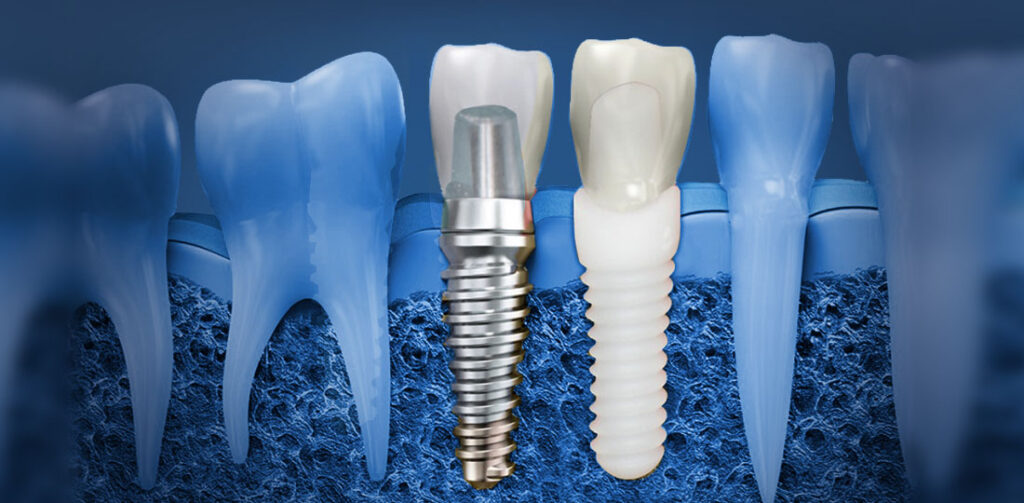
Dental implants are designed to replace missing teeth by mimicking the structure of a natural tooth. Unlike dentures or bridges, implants are placed directly into the jawbone, where they act as an artificial tooth root. Over time, the implant fuses with the bone, creating a strong and stable foundation for a crown that looks and functions like a natural tooth. This unique integration with the jawbone is what sets dental implants apart from other tooth replacement options.
Understanding How Dental Implants Work
The dental implant procedure typically involves multiple stages. First, a titanium implant post is surgically placed into the jawbone. After placement, a healing period allows the implant to bond with the bone through a process called osseointegration. Once healing is complete, an abutment is attached to the implant, followed by a custom-made crown that matches the color and shape of your natural teeth.
This step-by-step approach ensures that the implant becomes a permanent part of your mouth. While the process takes longer than getting a denture or bridge, the results are often far more durable and natural-looking. Patients who choose implants often appreciate that the final result feels like a real tooth rather than a removable appliance.
Who Is a Good Candidate for Dental Implants?
Dental implants are suitable for many adults who have lost one or more teeth. Ideal candidates generally have healthy gums, sufficient jawbone density, and good overall health. However, even patients with bone loss or gum issues may still qualify for implants with additional treatments such as bone grafting.
A thorough evaluation at a Dental Clinic In Chinchwad helps determine whether implants are right for you. Factors such as oral hygiene habits, smoking, medical conditions like diabetes, and commitment to aftercare are carefully considered. With proper planning and professional guidance, many patients who initially believe they are not candidates can still benefit from implant treatment.
Benefits That Go Beyond Appearance
One of the most appealing aspects of dental implants is their natural look. The crown placed on top of the implant is custom-designed to blend seamlessly with your existing teeth. This restores not only your smile but also your confidence. However, the benefits of implants go far beyond aesthetics.
Dental implants help maintain jawbone health by stimulating bone growth, just like natural tooth roots. When a tooth is lost, the jawbone in that area begins to shrink over time. Implants prevent this bone loss, preserving facial structure and preventing the sunken appearance often associated with missing teeth. This makes implants a long-term investment in both oral and facial health.
Improved Comfort and Functionality
Unlike removable dentures, dental implants remain fixed in place. This stability allows you to eat, speak, and smile without worrying about slipping or discomfort. Many patients report that they forget they even have an implant because it feels so natural.
Chewing efficiency is also significantly improved with implants. You can enjoy a wider range of foods without pain or difficulty, supporting better digestion and overall nutrition. Speech clarity often improves as well, since implants eliminate the movement issues commonly associated with dentures.
Longevity and Cost Considerations
Dental implants are known for their durability. With proper care, they can last for decades, and in many cases, a lifetime. While the initial cost may be higher than other tooth replacement options, implants often prove to be more cost-effective over time due to their longevity and minimal maintenance needs.
Patients seeking the Best Dental Implants Treatment In Pchinchwad often find that the long-term benefits outweigh the upfront investment. Regular brushing, flossing, and routine dental check-ups are usually all that is required to maintain implant health, making them a practical and reliable solution.
Emotional and Psychological Impact
Tooth loss can take an emotional toll, affecting self-esteem and social interactions. Dental implants help restore not only function but also confidence. Being able to smile freely, speak clearly, and eat comfortably can significantly improve quality of life.
Many patients report feeling more confident in professional and personal settings after completing implant treatment. This emotional boost is an often-overlooked benefit that plays a vital role in overall well-being.
Are There Any Risks or Limitations?
As with any surgical procedure, dental implants carry some risks, such as infection or delayed healing. However, these risks are relatively low when the procedure is performed by an experienced dental professional and when patients follow aftercare instructions carefully.
Not everyone is an immediate candidate, but advances in dental technology have made implants accessible to a wider range of patients. Proper consultation and personalized treatment planning ensure safe and successful outcomes.
Frequently Asked Questions
1. Is dental implant treatment painful?
Most patients experience minimal discomfort during and after the procedure, which is usually managed with local anesthesia and prescribed medication.
2. How long does it take to complete dental implant treatment?
The entire process can take several months, depending on healing time and whether additional procedures like bone grafting are needed.
3. Are dental implants safe for older adults?
Yes, age is not a limiting factor as long as the patient is in good general health and has sufficient bone support.
4. How do I care for my dental implants?
Dental implants require the same care as natural teeth, including regular brushing, flossing, and routine dental check-ups.
5. Can dental implants fail?
Implant failure is rare, especially when placed by an experienced dentist and maintained with proper oral hygiene and follow-up care.
Conclusion
Deciding whether dental implants are right for you depends on your oral health needs, lifestyle, and long-term goals. For many patients, implants offer unmatched stability, comfort, and natural appearance, making them a preferred choice for tooth replacement. With professional evaluation and proper care, Dental Implant Treatment In Chinchwad can provide a lasting solution that restores both function and confidence, helping you enjoy a healthier and more fulfilling smile.