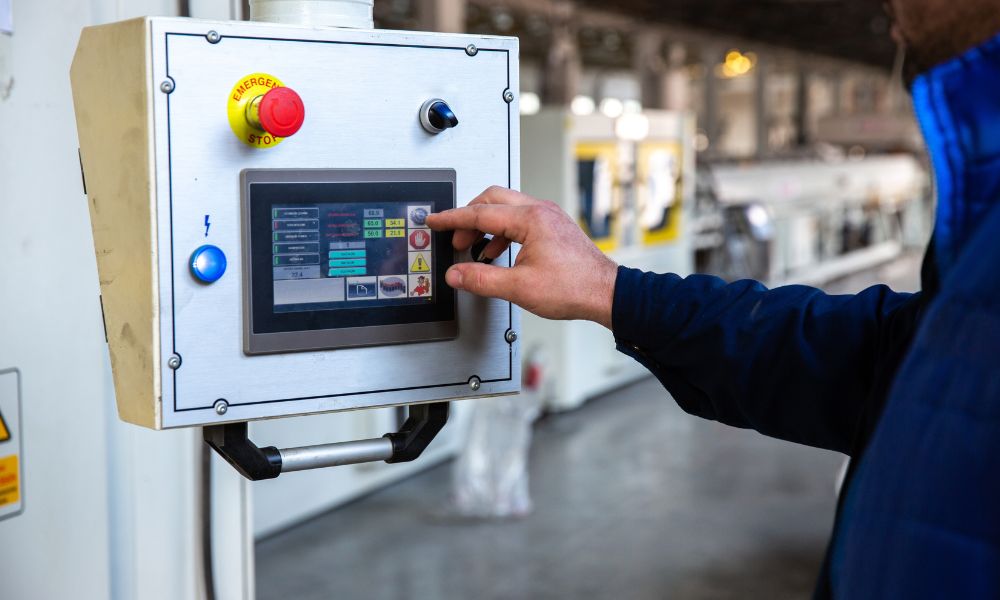

In the age of rapid digital transformation, industries are shifting from traditional operations to smarter, connected ecosystems. This major leap is driven by Industry 4.0 a new era of intelligent automation powered by data, connectivity, and artificial intelligence. At the center of this transformation lies the Industrial Internet of Things (IIoT), a technology that connects machines, sensors, and systems to enable real-time data exchange and smarter decision-making.
At Kariot, we believe IIoT is not just a technology it’s a strategic enabler that redefines how industries operate, optimize, and grow. In this blog, we’ll dive deep into what Industry 4.0 and IIoT truly mean, their significance in industrial automation, and how connected systems are shaping the factories of the future.
What Industry 4.0 Means for Modern Industries
Industry 4.0, often called the Fourth Industrial Revolution, represents the integration of digital intelligence into industrial environments. Unlike previous revolutions that focused on mechanization or mass production, Industry 4.0 is all about connectivity, data transparency, and automation.
At its core, this revolution bridges the gap between the physical and digital worlds. Machines, assets, and systems are no longer standalone they’re now part of a connected network that learns, adapts, and improves continuously.
Kariot’s Viewpoint:
From Kariot’s experience in Industrial IoT development, we’ve seen how even small-scale industries can achieve massive efficiency gains by integrating connected sensors and analytics platforms. The transition to Industry 4.0 doesn’t require replacing every machine it’s about upgrading intelligence, step by step.
What is the Industrial Internet of Things (IIoT)?
The Industrial Internet of Things (IIoT) is the technology backbone of Industry 4.0. It connects industrial equipment, control systems, and sensors using secure data networks. The collected data is analyzed to provide insights that help industries improve performance, reduce downtime, and optimize resource usage.
IIoT goes beyond consumer IoT it’s built for scale, safety, and precision. Whether it’s monitoring oil pipelines, automating factory lines, or predicting machine failures, IIoT ensures industries stay efficient and future-ready.
Why IIoT Matters for Industrial Growth
At Kariot, we’ve noticed a significant shift industries that once relied on manual checks or reactive maintenance now use IIoT to operate proactively. With real-time analytics and predictive alerts, businesses can save millions in maintenance costs and avoid unplanned production halts.
How Industry 4.0 and IIoT Work Together
While Industry 4.0 represents the overall vision of connected manufacturing, IIoT is the framework that powers it. Here’s how they align in industrial operations:
-
IIoT collects data from machines, sensors, and control systems.
-
Analytics and AI tools process this data to uncover patterns and predict potential issues.
-
Automation systems act based on these insights to improve output and reduce errors.
-
Cloud platforms store and visualize data, making it accessible across teams and facilities.
At Kariot, our industrial IoT solutions combine real-time connectivity with AI-driven analytics, ensuring that every piece of data translates into actionable intelligence.
Key Technologies Driving Industry 4.0 and IIoT
Industry 4.0 is not powered by a single technology it’s the synergy between several innovations. Let’s break down the major components that Kariot leverages to build smarter, data-driven industries:
1. IoT Sensors and Smart Devices
Sensors act as the eyes and ears of the IIoT ecosystem. They collect data on vibration, temperature, humidity, energy consumption, and more. Kariot integrates these sensors into industrial systems for real-time visibility and performance tracking.
2. Cloud and Edge Computing
IIoT generates huge amounts of data. To manage it efficiently, Kariot combines cloud computing for scalability and edge computing for faster processing near the data source enabling quicker, smarter decisions.
3. AI and Predictive Analytics
With artificial intelligence, industries can move from reactive to predictive maintenance. Kariot’s solutions use machine learning to analyze sensor data, identify anomalies, and forecast maintenance needs before issues escalate.
4. Digital Twins
A digital twin is a virtual replica of physical assets or processes. Kariot uses digital twin models to simulate real-world performance and optimize equipment operations without disrupting live production.
5. Secure Connectivity and 5G
Kariot emphasizes robust network infrastructure, using 5G and secure communication protocols to ensure uninterrupted, low-latency connections between devices and cloud platforms.
Benefits of Industry 4.0 and IIoT Integration
At Kariot, we’ve seen the power of IIoT-driven automation firsthand. Here’s how integrating IIoT technologies benefits industrial enterprises:
1. Real-Time Visibility
With connected sensors and dashboards, industries gain complete visibility into equipment status, production metrics, and energy consumption all in real time.
2. Predictive Maintenance
Instead of fixing machines after failure, IIoT enables predictive alerts. Kariot’s analytics tools help industries schedule maintenance only when needed, minimizing downtime and saving costs.
3. Improved Operational Efficiency
Automation and data insights streamline workflows. Production lines can adjust dynamically based on demand, resource availability, or performance patterns.
4. Enhanced Quality Control
IIoT sensors detect anomalies instantly, ensuring consistent product quality and reducing the risk of defects or recalls.
5. Energy Optimization
Energy management is one of Kariot’s key focus areas. Through IIoT-based monitoring, industries can track power usage across systems, identify inefficiencies, and reduce wastage aligning with sustainability goals.
6. Worker Safety and Compliance
IIoT systems help monitor environmental factors like temperature, gas levels, and vibrations ensuring a safer workspace and compliance with industrial standards.
Kariot’s Industrial IoT Use Cases
Kariot’s IIoT platform has helped businesses across industries achieve smarter, data-driven operations. Here are a few real-world examples of how we’ve applied IIoT to create impact:
1. Smart Manufacturing
Using sensor-driven automation, factories can now monitor every stage of production. Kariot’s real-time dashboards give plant managers control over equipment health and productivity from anywhere.
2. Energy and Utilities
Our IIoT solutions help energy firms manage grids efficiently by tracking power flow, identifying outages, and balancing loads across different facilities.
3. Oil and Gas Operations
In the oil and gas industry, IoT-enabled monitoring systems from Kariot detect leaks, measure pipeline pressure, and ensure compliance with safety standards all through automated alerts.
4. Logistics and Fleet Management
Through GPS and IoT sensors, Kariot offers real-time fleet tracking, fuel usage analysis, and predictive maintenance making logistics smarter and more cost-effective.
The Future of IIoT and Industry 4.0
As Industry 4.0 continues to evolve, the future of IIoT looks even more dynamic. We’re heading toward hyper-connected industrial ecosystems where automation, AI, and robotics operate in complete harmony.
Kariot is continuously investing in AI-driven IoT analytics, edge computing, and cybersecurity to empower industries to adapt faster, scale sustainably, and stay competitive in the digital economy.
In the near future, we envision industries using self-healing machines, zero-downtime production lines, and green manufacturing models powered entirely by data.
Conclusion
The convergence of Industry 4.0 and the Industrial Internet of Things (IIoT) is redefining how industries operate making them smarter, faster, and more efficient.
At Kariot, our goal is to help industries embrace this digital shift with scalable, secure, and intelligent IoT solutions that unlock real-time insights and operational excellence.
Whether it’s manufacturing, energy, logistics, or oil and gas, the future of industrial innovation lies in connectivity and Kariot is proud to be driving that transformation.