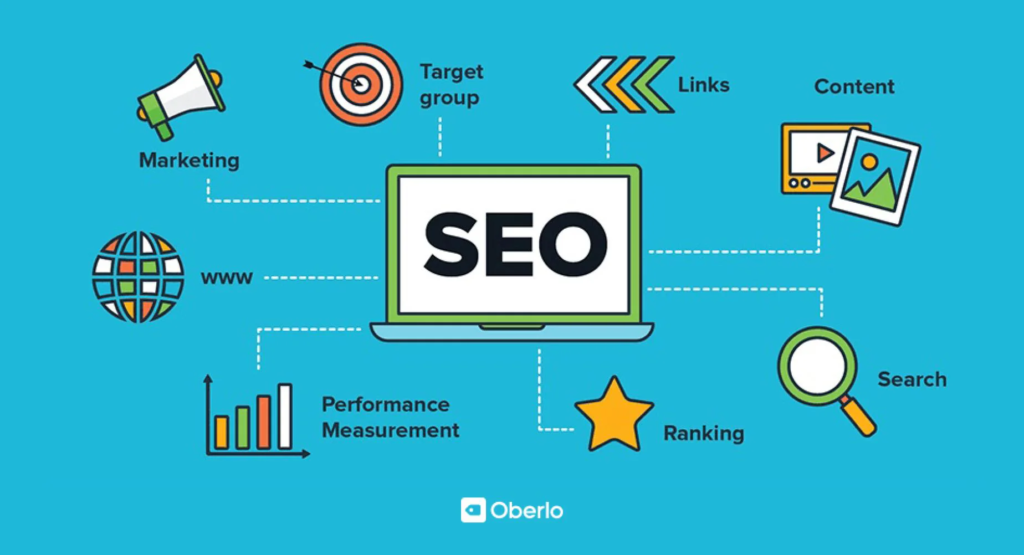

For years, SEO success has been measured by numbers—impressions, traffic, and rankings. The higher these numbers, the more successful a strategy was considered. But as search behavior evolves, these traditional metrics are becoming less meaningful on their own.
Today, a new reality is emerging: impressions don’t guarantee results. You can appear in front of thousands of users and still fail to make an impact. This is why modern SEO is shifting its focus from impressions to intent.
It’s no longer about how many people see your content—it’s about how many actually need it.
The Problem with Chasing Impressions
Impressions represent visibility. They show how often your content appears in search results. While this can be useful for understanding reach, it doesn’t tell you whether your content is effective.
A page can generate high impressions but very low engagement. Users may see your listing but skip it, or click and leave quickly. In both cases, the problem is the same: your content isn’t aligning with what users want.
This highlights a critical issue—visibility without relevance has little value.
Understanding Search Intent
Search intent is the reason behind a user’s query. It answers the question: What is the user trying to achieve?
There are different types of intent, including:
- Informational: The user wants to learn something
- Navigational: The user is looking for a specific site
- Commercial: The user is comparing options
- Transactional: The user is ready to take action
Each type of intent requires a different kind of content. When your content matches that intent, it becomes more relevant, more engaging, and more effective.
This is where real SEO success begins.
Why Intent Matters More Than Reach
Imagine two scenarios:
- A page receives 10,000 impressions but very few conversions
- Another page receives 1,000 impressions but generates consistent leads
Which one is more successful?
The answer is clear. The second page may have lower visibility, but it delivers real results because it targets the right intent.
Intent-focused SEO prioritizes quality over quantity. It ensures that the traffic you attract is meaningful and aligned with your goals.
Creating Content That Matches Intent
To shift from impressions to intent, you need to rethink how you create content.
Start by identifying what your audience is truly looking for. Analyze search queries, study top-ranking results, and understand the context behind each keyword.
Once you identify the intent, design your content to meet it fully. If users want a quick answer, provide it clearly. If they need detailed guidance, offer in-depth insights.
Avoid trying to serve multiple intents in one piece of content. Focus on delivering one clear solution effectively.
Engagement as the New Metric
When you align with intent, engagement naturally improves. Users spend more time on your page, interact with your content, and explore further.
These behaviors signal to search engines that your content is valuable. Over time, this can improve your visibility and strengthen your overall performance.
Engagement is a more meaningful measure of success because it reflects real user satisfaction—not just exposure.
Moving Beyond Keywords
Keywords are still important, but they are no longer the main focus. Instead of targeting keywords blindly, focus on the meaning behind them.
Ask yourself:
- What problem does this search represent?
- What kind of answer is the user expecting?
- How can I provide the best possible solution?
When you approach SEO this way, your content becomes more relevant and more effective.
The Role of User Experience
Intent is not just about information—it’s also about experience. A well-structured, easy-to-navigate page enhances user satisfaction and increases the likelihood of engagement.
Clear headings, concise explanations, and logical flow make it easier for users to find what they need.
A positive experience reinforces the value of your content and encourages users to stay longer and take action.
Conversions as the Ultimate Goal
At the end of the day, SEO should support real business outcomes. This means focusing on conversions—actions that move users closer to becoming customers or clients.
Intent-driven content is far more likely to convert because it addresses specific needs at the right time.
When users feel understood and supported, they are more likely to trust your brand and take the next step.
The Long-Term Advantage
Focusing on intent creates a more sustainable SEO strategy. While impressions can fluctuate with algorithm changes, user intent remains relatively consistent.
People will always search for solutions, answers, and guidance. By aligning your content with these needs, you build a foundation that can adapt over time.
This approach also strengthens your brand, making it more recognizable and reliable in the eyes of your audience.
Final Thoughts
The shift from impressions to intent is redefining what SEO success really means. It moves the focus from visibility to value, from numbers to outcomes, and from exposure to engagement.
In today’s search landscape, being seen is not enough. You need to be relevant, helpful, and aligned with what users are looking for.
Because in the end, success isn’t measured by how many people see your content—it’s measured by how many find it meaningful.
Intent beats impressions. Every time.
Read More Read More Read More Read More Read More Read More
Read More Read More Read More Read More Read More Read More
Read More Read More Read More Read More Read More Read More
Read More Read More Read More Read More Read More Read More
Read More Read More Read More Read More Read More Read More
Read More Read More Read More Read More Read More Read More
Read More Read More Read More Read More Read More Read More
Read More Read More Read More Read More Read More Read More
Read More Read More Read More Read More Read More Read More
Read More Read More Read More Read More Read More Read More
Read More Read More Read More Read More Read More Read More