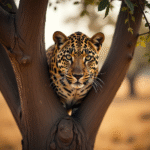

India is a land of extraordinary biodiversity. From dense tropical forests to vast grasslands, Himalayan valleys to coastal mangroves, every region of the country offers a unique ecosystem filled with fascinating animal and bird species. For travelers who wish to explore nature in its purest form, Indian wildlife tours provide a remarkable opportunity to witness the wild up close while learning about conservation, ecology, and the delicate balance of life.
These tours are designed to immerse travelers in natural habitats, offering safari experiences, guided nature walks, birdwatching trails, and insights into local tribal culture. Whether you are an adventure lover, wildlife photographer, nature enthusiast, or simply someone seeking peace and exploration, Indian wildlife tours have something memorable to offer.
Why Choose Indian Wildlife Tours?
Indian wildlife tours offer a blend of adventure, education, and scenic beauty. They allow visitors to observe animals in their natural habitat without disturbing their environment. With skilled forest guides and naturalists, travelers gain an understanding of animal behavior, habitat dynamics, and the importance of conservation efforts.
Moreover, India is home to several rare and endangered species such as the Royal Bengal Tiger, Asiatic Lion, Indian Rhinoceros, Snow Leopard, Red Panda, and many more. Watching these majestic creatures in the wild creates an unforgettable experience.
Popular Destinations for Indian Wildlife Tours
1. Ranthambore National Park, Rajasthan
One of India’s most iconic tiger reserves, Ranthambore offers a high chance of spotting tigers. The rugged landscape, rocky cliffs, and historic Ranthambore Fort make the safaris visually stunning and thrilling.
2. Jim Corbett National Park, Uttarakhand
India’s oldest national park is known for its scenic beauty and wide variety of wildlife, including elephants, deer, tigers, gharials, and more than 600 species of birds. It is a paradise for birdwatchers and wildlife photographers.
3. Kaziranga National Park, Assam
Kaziranga is a UNESCO World Heritage site, famous for being home to the world’s largest population of one-horned rhinoceroses. Jeep safaris and elephant safaris offer excellent viewing opportunities.
4. Bandhavgarh National Park, Madhya Pradesh
Known for having one of the highest tiger densities in India, Bandhavgarh offers some of the most thrilling tiger sightings. The combination of dense forests and open meadows makes it ideal for photography.
5. Gir National Park, Gujarat
Gir is the last natural home of the Asiatic Lion. Indian wildlife tours here present a rare and exclusive opportunity to observe these majestic lions roaming free.
6. Kanha National Park, Madhya Pradesh
Famous for barasingha (swamp deer) conservation, Kanha inspired Rudyard Kipling’s “The Jungle Book.” It is known for its stunning landscapes of sal forests and vast grasslands.
What to Expect During Indian Wildlife Tours
- Open Jeep Safaris: Most tours include guided jeep safaris in designated safari zones of national parks.
- Trained Naturalists and Guides: Wildlife experts accompany tourists to explain animal tracks, calls, and forest ecology.
- Comfortable Jungle Lodges and Resorts: Many tours include eco-friendly accommodations that blend comfort with nature.
- Responsible Travel: Ethical guidelines ensure that wildlife is respected and habitats are preserved.
Best Time for Indian Wildlife Tours
The ideal season for Indian wildlife tours is October to June, when national parks are open and animal activity is high.
- Winter (November to February): Pleasant climate with great visibility for birdwatching.
- Summer (March to June): Higher chances of spotting tigers and large animals near water sources.
During the monsoon season, most parks remain closed to allow forest restoration and animal breeding.
Tips for a Great Wildlife Experience
- Wear neutral-colored clothing to blend with the surroundings.
- Keep a pair of binoculars for better observation.
- Maintain silence and patience; wildlife sightings often require time.
- Do not litter or play loud music inside the forest.
- Follow the guidelines of your guide and forest authorities at all times.
Conclusion
Indian wildlife tours offer a powerful and inspiring way to connect with nature. They allow travelers to witness the awe-inspiring beauty of India’s forests, the grace of wild animals, and the importance of conservation. Every safari tells a new story — from the distant roar of a tiger to the gentle rustle of leaves signaling the presence of deer nearby.
For those seeking adventure, serenity, and unforgettable moments, Indian wildlife tours promise experiences that remain in the heart long after the journey ends.