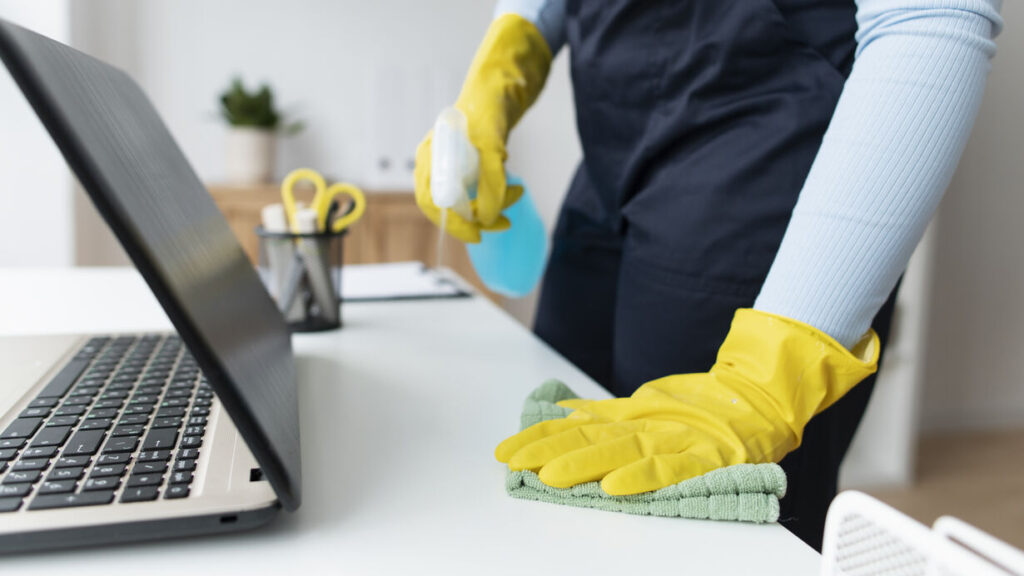

Maintaining excellent hygiene is essential in every dental practice. Patients and staff expect a clean, safe environment where the risk of infection is kept as low as possible. This is especially important in areas that are touched frequently or exposed to bodily fluids. Madani cleaning service is understanding and properly managing high-risk areas in dental practices helps reduce cross-contamination, supports regulatory compliance, and builds patient trust.
This article explains why these areas need special attention, identifies common high-risk zones, and outlines effective cleaning practices using clear, professional guidance.
Why High-Risk Areas Require Special Cleaning Attention
Dental clinics deal with saliva, blood, aerosols, and sharp instruments daily. These factors create ideal conditions for bacteria, viruses, and fungi to spread if cleaning standards drop.
Focusing on high-risk areas in dental practices is important because it:
- Reduces the risk of cross-infection
- Protects patients, dentists, and support staff
- Supports compliance with infection control regulations
- Maintains a professional and reassuring clinical environment
- Prevents costly practice shutdowns due to hygiene breaches
Routine surface cleaning alone is not enough. Targeted, thorough cleaning is required in areas most likely to harbour pathogens.
What Are High-Risk Areas in Dental Practices?
High-risk areas are spaces or surfaces that are frequently touched, exposed to contamination, or located near clinical procedures. These areas require more frequent and detailed cleaning than general spaces.
Common High-Risk Areas Include:
- Dental chairs and headrests
- Instrument trays and delivery units
- Spittoons and sinks
- Suction lines and hoses
- Light handles and control panels
- Door handles, switches, and grab rails
- Reception desks and payment terminals
- Toilets and staff break areas
Each of these zones plays a role in daily operations, making consistent cleaning essential.
Clinical Treatment Rooms: The Highest Priority
Treatment rooms are at the centre of infection risk. Aerosols generated during procedures can settle on nearby surfaces, increasing contamination.
Cleaning protocols should focus on:
- Disinfecting dental chairs between every patient
- Wiping down worktops, armrests, and control buttons
- Cleaning spittoons and sinks with approved disinfectants
- Paying attention to less obvious contact points such as foot controls
Regular deep cleaning further reduces the risk of biofilm and hidden bacteria build-up.
Instruments and Equipment Contact Areas
While instruments are sterilised separately, surfaces that hold or support them are often overlooked. These areas can easily become contaminated through indirect contact.
Effective cleaning involves:
- Disinfecting instrument trays after each use
- Cleaning trolleys and storage units daily
- Ensuring single-use barriers are replaced between patients
- Using colour-coded cloths to avoid cross-contamination
Addressing these high-risk areas in dental practices helps maintain a safe workflow.
Reception and Waiting Areas Still Matter
Although not clinical zones, reception areas can still spread germs. Patients arrive from outside environments, often touching multiple surfaces.
Key cleaning tasks include:
- Regular disinfection of counters and card machines
- Cleaning chairs, armrests, and children’s play items
- Frequent wiping of door handles and pens
- Daily floor cleaning to remove tracked-in dirt and bacteria
A clean waiting area reassures patients and reduces overall infection risk.
Toilets and Staff Areas
Toilets and staff rooms can transfer bacteria back into clinical areas if not properly maintained.
Best practices include:
- Multiple daily cleans of toilets and sinks
- Disinfecting taps, flush handles, and door locks
- Providing adequate hand hygiene supplies
- Ensuring waste bins are emptied and sanitised
Staff hygiene directly impacts patient safety, making these areas just as important as treatment rooms.
Benefits of Professional Cleaning for High-Risk Areas
Professional dental cleaners understand the strict standards required in healthcare settings. They use industry-approved products and follow structured cleaning schedules.
Advantages include:
- Consistent cleaning of all high-risk zones
- Reduced infection and compliance risks
- Use of correct disinfectants and equipment
- Allowing dental staff to focus on patient care
Outsourcing cleaning often results in higher standards and better long-term outcomes.
Conclusion
Cleaning is not just about appearance in a dental practice; it is a critical part of infection control. By identifying and prioritising high-risk areas in dental practices, clinics can significantly reduce the spread of harmful pathogens. Regular, targeted cleaning protects patients, supports staff wellbeing, and upholds professional standards. Investing in proper cleaning routines and trained cleaners is an essential step towards a safer, more trusted dental environment.
Frequently Asked Questions
- What makes an area high-risk in a dental practice?
Areas with frequent contact, exposure to bodily fluids, or close proximity to procedures are considered high-risk.
- How often should high-risk areas be cleaned?
Most high-risk areas should be cleaned between patients, with deep cleaning carried out daily or weekly.
- Are reception areas really a hygiene risk?
Yes. High-touch surfaces in reception areas can spread germs between patients and staff.
- Can regular staff handle high-risk cleaning?
They can manage daily tasks, but professional cleaners ensure deeper, compliant cleaning.
- Does focusing on high-risk areas improve compliance?
Yes. Targeted cleaning supports infection control standards and inspection readiness.