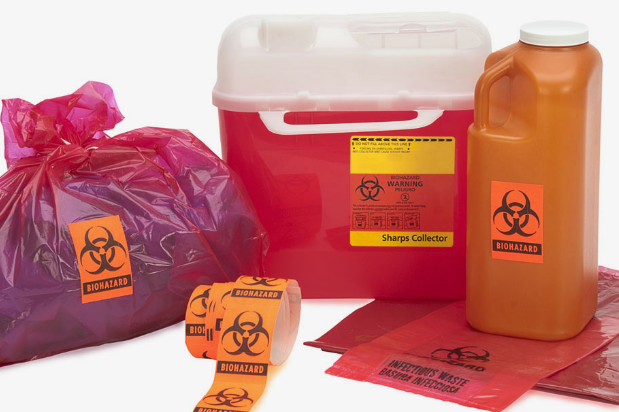

Healthcare facilities generate a wide range of waste materials, many of which pose potential risks to human health and the environment. Proper handling and disposal of such waste are critical to maintaining safety standards and preventing the spread of infections. Biohazard disposal plays a central role in ensuring that hazardous biological materials are managed responsibly and in compliance with regulations. From hospitals and laboratories to clinics and research centers, effective disposal practices are essential for protecting both healthcare workers and the public.
As healthcare systems expand and evolve, the need for structured and efficient waste management practices becomes increasingly important.
What is Biohazard Waste?
Biohazard waste, also known as biomedical or infectious waste, includes materials that contain or are contaminated with potentially harmful biological substances. These substances may carry pathogens such as bacteria, viruses, or other microorganisms that can cause disease.
Common examples of biohazard waste include blood, bodily fluids, tissues, microbiological cultures, and contaminated medical supplies.
Such waste is primarily generated during medical procedures, laboratory research, and diagnostic activities. If not handled properly, it can lead to serious health risks and environmental contamination.
Sources of Biohazard Waste in Healthcare
Biohazard waste is produced in various healthcare settings, including:
- Hospitals and clinics
- Diagnostic laboratories
- Veterinary facilities
- Research institutions
- Blood banks and testing centers
These facilities generate waste as part of activities such as diagnosis, treatment, immunization, and research.
Each type of facility may produce different categories of waste, requiring specific handling and disposal methods.
Types of Biohazard Waste
Understanding the different categories of biohazard waste is essential for proper management.
Infectious Waste
This includes materials contaminated with blood or bodily fluids that may contain pathogens capable of causing infections.
Sharps Waste
Sharps such as needles, syringes, and scalpels pose a risk of injury and infection. These items require special containers and disposal procedures.
Pathological Waste
Human or animal tissues, organs, and body parts fall under this category and require careful handling due to their biological nature.
Laboratory Waste
This includes cultures, specimens, and materials used in research or diagnostic testing that may contain infectious agents.
Methods of Biohazard Disposal
Proper disposal of biohazard waste involves several treatment methods designed to eliminate or reduce risks.
Incineration
Incineration involves burning waste at high temperatures, effectively destroying harmful pathogens. This method is commonly used for pathological and infectious waste.
Autoclaving
Autoclaving uses steam under high pressure to sterilize waste. It is widely used for laboratory waste and certain medical supplies.
Chemical Disinfection
Chemical agents are used to neutralize pathogens in liquid waste or contaminated materials. This method is suitable for specific types of waste.
Secure Landfilling
After treatment, some waste is disposed of in specially designed landfills that prevent environmental contamination.
Importance of Proper Waste Management
Effective waste management is crucial for maintaining safety and sustainability in healthcare environments.
Preventing Disease Transmission
Improper handling of biohazard waste can lead to the spread of infections among healthcare workers, patients, and the community.
Environmental Protection
Untreated waste can contaminate soil, water, and air, posing long-term environmental risks. Proper disposal methods help minimize these impacts.
Regulatory Compliance
Healthcare facilities must follow strict regulations governing waste management. Compliance ensures safe practices and avoids legal consequences.
Workplace Safety
Proper segregation, handling, and disposal of waste reduce the risk of injuries and exposure to hazardous materials.
Challenges in Biohazard Waste Management
Despite established guidelines, managing biohazard waste presents several challenges.
One major issue is the improper segregation of waste, which can lead to contamination of non-hazardous materials. Another challenge is the lack of awareness and training among staff, which can result in unsafe handling practices.
Additionally, the increasing volume of healthcare waste places pressure on existing disposal systems, requiring continuous improvement in infrastructure and processes.
Conclusion
Biohazard waste disposal is a critical component of modern healthcare systems, ensuring the safety of individuals and the environment. Integrating effective practices within broader health care waste management systems allows organizations to handle hazardous materials responsibly while supporting sustainable and safe healthcare operations. By understanding the types of waste, appropriate disposal methods, and the importance of compliance, healthcare facilities can maintain high standards of safety and efficiency.