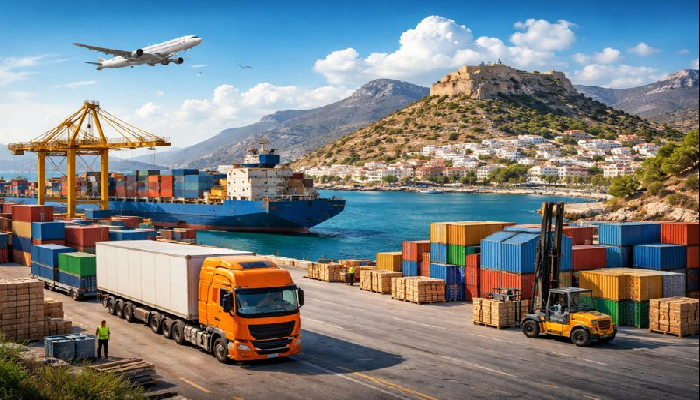

Import customs clearance is a critical process in international trade that allows goods to legally enter a country through customs authorities. It involves a series of formal procedures, documentation checks, and payment of duties and taxes to ensure that imported goods comply with national laws and regulations. Efficient customs clearance is essential for avoiding delays, minimizing costs, and maintaining smooth supply chain operations.
Understanding Import Customs Clearance
At its core, import customs clearance is the process by which customs authorities verify and approve imported goods before they are released into the domestic market. This process ensures that the goods meet regulatory requirements related to safety, quality, valuation, and classification. Every country has its own customs regulations, but the fundamental principles remain largely the same worldwide.
The clearance process typically begins when goods arrive at a port, airport, or land border. Importers or their appointed customs brokers submit the required documents electronically or in physical form to the customs authority. Customs officials then review the documents, assess duties and taxes, and may inspect the goods before granting release.
Key Documents Required
Accurate documentation is the backbone of successful customs clearance. Commonly required documents include the commercial invoice, packing list, bill of lading or airway bill, and import declaration. Depending on the nature of the goods, additional documents such as certificates of origin, import licenses, insurance certificates, or inspection reports may also be required.
The commercial invoice provides details about the transaction, including the value of the goods, seller and buyer information, and terms of sale. The packing list outlines the contents of the shipment, while the transport document confirms shipment details. Any inconsistency or error in these documents can result in delays, penalties, or even seizure of goods.
Customs Duties and Taxes
One of the most important aspects of import customs clearance is the assessment and payment of customs duties and taxes. Duties are calculated based on the customs value of the goods, their classification under the Harmonized System (HS) code, and the applicable tariff rates. In addition to customs duties, importers may be required to pay value-added tax (VAT), goods and services tax (GST), or other local taxes.
Proper classification of goods is crucial, as incorrect HS codes can lead to overpayment, underpayment, or legal disputes. Many businesses rely on experienced customs brokers to ensure accurate classification and valuation.
Role of Customs Brokers
Customs brokers play a vital role in facilitating import customs clearance. They act as intermediaries between importers and customs authorities, ensuring that all regulatory requirements are met. Brokers are knowledgeable about customs laws, tariff schedules, and documentation procedures, helping businesses avoid costly mistakes.
By outsourcing customs clearance to a licensed broker, importers can save time, reduce administrative burden, and ensure compliance with constantly changing regulations.
Common Challenges and Best Practices
Importers often face challenges such as regulatory changes, documentation errors, customs inspections, and unexpected duty assessments. To minimize these risks, businesses should maintain accurate records, stay informed about import regulations, and work with reliable logistics partners.
Using digital customs systems, conducting pre-shipment compliance checks, and planning for potential inspections can significantly improve clearance efficiency. Transparency and proactive communication with customs authorities also help resolve issues quickly.
Conclusion
Import customs clearance is a vital component of international trade that requires careful attention to detail, regulatory knowledge, and proper documentation. A well-managed clearance process ensures timely delivery of goods, cost efficiency, and legal compliance. By understanding the procedures, preparing accurate documents, and leveraging professional expertise, importers can navigate customs clearance smoothly and support successful global trade operations.
1. What is import customs clearance?
Import customs clearance is the official process of declaring goods to customs authorities when they enter a country. It involves document verification, customs inspection, assessment of duties and taxes, and approval for goods to be released into the local market.
2. Why is customs clearance necessary?
Customs clearance ensures that imported goods comply with national laws, safety standards, and trade regulations. It also allows governments to collect duties and taxes and prevent the import of prohibited or restricted items.
3. Who is responsible for import customs clearance?
The importer of record is legally responsible for customs clearance. However, most importers appoint a licensed customs broker or freight forwarder to handle the process on their behalf.
4. What documents are required for import customs clearance?
Commonly required documents include:
-
Commercial invoice
-
Packing list
-
Bill of lading or airway bill
-
Import declaration
-
Certificate of origin (if applicable)
-
Import license or permit (for restricted goods)
Additional documents may be required depending on the type of goods and destination country.
5. What are customs duties and taxes?
Customs duties are taxes imposed on imported goods based on their value, classification, and country of origin. Importers may also need to pay VAT, GST, or other local taxes before goods are released.
6. How are customs duties calculated?
Duties are calculated using the HS (Harmonized System) code, customs value of the goods, and the applicable tariff rate. Incorrect classification or valuation can result in penalties or delays.
7. What is an HS code?
An HS code is an internationally standardized numerical code used to classify traded goods. It determines the duty rate, taxes, and regulatory requirements for imported products.
8. How long does import customs clearance take?
Clearance time varies by country, shipment type, and documentation accuracy. It can take a few hours to several days. Delays often occur due to missing documents, inspections, or unpaid duties.
9. What causes delays in customs clearance?
Common causes include:
-
Incomplete or incorrect documents
-
Incorrect HS codes
-
Under- or over-valuation of goods
-
Customs inspections
-
Missing permits or licenses
10. What happens if customs clearance is delayed?
Delayed clearance may result in storage charges, demurrage fees, and delivery delays. In severe cases, goods may be seized or returned to the origin country.
11. What is a customs inspection?
A customs inspection is a physical or documentary examination of goods by customs authorities to verify accuracy, compliance, and safety. Not all shipments are inspected.
12. Can goods be cleared without a customs broker?
Yes, importers can clear goods themselves if allowed by local regulations. However, using a licensed customs broker reduces the risk of errors and speeds up the process.