
Building your own home in West Virginia is a big step. You are not just picking walls and floors. You are planning where your family will live, grow, and spend most of life. That can feel both exciting and stressful.
The good news is that you can make the process smoother by starting with the right steps. When you plan early and work with the right people, you avoid many common problems. You also stay closer to your budget and timeline.
Tips to Start Your Home Build Project With Experienced Home Builders
Here is how you can begin your home build project the smart way.
-
Start With How You Really Live
Before you meet a builder, think about how you live each day. A home should support your routine. Write down details such as:
- How many people will live in the home
- Whether anyone works from home
- If you need quiet space or open gathering areas
- Storage needs for tools, outdoor gear, or seasonal items
Many new homes now include flexible rooms that can change use over time. This helps families adjust without moving again. Clear priorities make it easier for a builder to suggest layouts that work for your land and budget.
-
Set a Budget That Covers the Full Project
Many people think only about the cost of the house itself. But building includes much more. You need to plan for land, site work, permits, and utility connections.
You may also need a driveway, grading, and drainage work. In some parts of West Virginia, you might need a well and a septic system. These items can significantly affect your total cost.
It is prudent to set aside extra funds for changes. During the build, you may choose different finishes or small upgrades. A clear budget from the start helps you make better decisions without feeling rushed.
-
Choose Land That Works for Your Home
Land in West Virginia can be flat, sloped, wooded, or rocky. Each type affects how your home is built. Before you buy land, take time to study it.
Assess road access and proximity to power and water lines. Check if the land is in a flood zone. Pay attention to the slope, as steep terrain may require more grading and specialized foundation work.
Walking the land with a builder or site expert can help you see problems early. This step can save you money and stress later in the project.
-
Meet With Builders Early in the Process
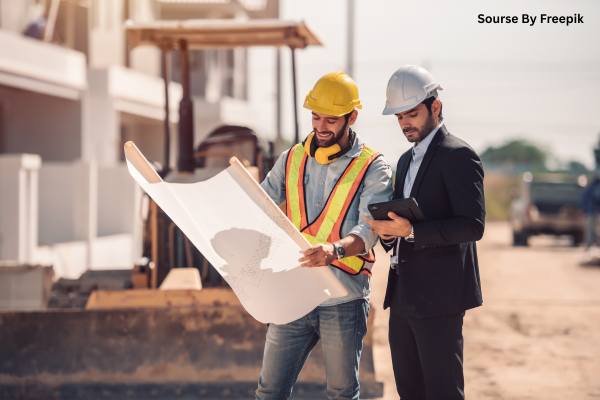
One of the best early steps you can take is to talk with experienced home builders whom West Virginia residents trust. Meeting early does not mean you have to sign a contract right away. It means you can learn what is realistic for your land and budget.
Bring your ideas, notes, and questions to the meeting. Ask about timelines, communication, and how changes are handled. Identify your primary point of contact for the project.
You are starting a long-term working relationship. It helps to choose a builder who listens well and explains things clearly.
-
Think About Energy Use From the Start
Energy costs accumulate over time. When you build a home, you have the opportunity to make smart choices that reduce costs.
Talk with your builder about insulation, windows, and heating and cooling systems. Ask how the home will be sealed to prevent drafts. Also, ask about how sunlight enters the home during different seasons.
These choices may not change how the house looks from the outside, but they can make a big difference in comfort and monthly bills. Planning for energy use early is easier than upgrading later.
-
Understand Permits and Inspections
Every county in West Virginia has building rules. You will need permits before construction starts, and your home will be inspected at different stages.
Inspections often happen after the foundation is poured, when framing is done, and after electrical and plumbing work. There is also a final inspection before you move in.
Your builder usually handles these steps, but you should still understand the process. Knowing what is happening helps you stay informed and prepared for short pauses while waiting for approvals.
-
Keep Communication Clear and Ongoing
Clear communication is one of the most important parts of a smooth build. From the start, ask how updates will be shared. Some builders meet on site every week. Others use email or online tools.
Make sure major decisions are documented. This includes choices about materials, layouts, and finishes. Written records help prevent confusion and protect both you and the builder.
When questions come up, ask them early. Small issues are easier to fix before they turn into larger problems.
Summary
Starting your home build in West Virginia may feel like a lot at first, but you can handle it step by step. When you focus on how you live, choose land carefully, set a full budget, and keep communication clear, you give your project a strong start.
Working with a builder who understands local land, codes, and building practices makes the process steadier. A team like Blue Mountain Homes can guide you through each phase while keeping your plans aligned with your goals and budget.
Your home should support your life for many years. Careful planning at the beginning helps you build a place that truly fits you and your family.