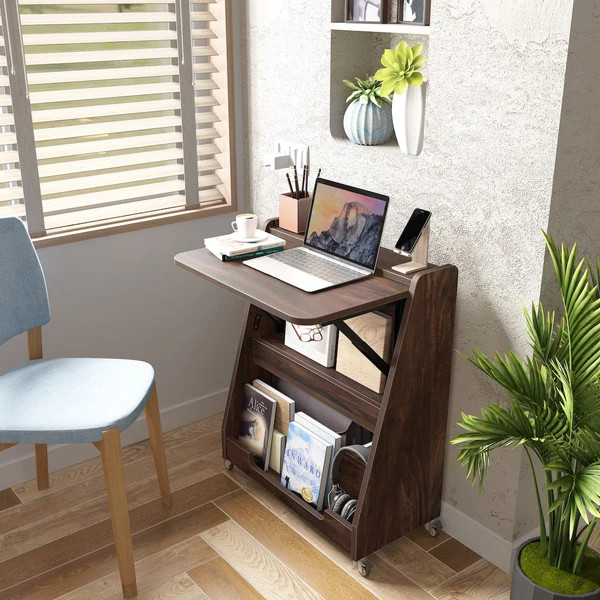

Choosing the right study table is essential for creating a comfortable and productive workspace at home. Whether you are a student, a working professional, or someone who enjoys reading and writing, the size of your room plays a crucial role in selecting the ideal table. A well-chosen study table not only improves functionality but also enhances the overall appearance of your space.
In modern homes where space is often limited, selecting furniture based on room size helps maintain a balance between comfort and design. When the proportions are right, your room feels organized, spacious, and easy to use.
Why Room Size Matters
The size of your room directly affects the type of study table you should choose. A table that is too large can make the room feel cramped and difficult to navigate, while a table that is too small may not provide enough working space for your daily tasks.
A properly sized table ensures smooth movement, better organization, and a visually balanced layout. It also allows you to create a dedicated study or work area without disrupting the overall flow of the room.
Study Table for Small Rooms
In small rooms, every inch of space counts. Choosing a compact and functional study table is the best way to maintain a clutter-free environment. Instead of bulky designs, go for tables that are slim and minimal in structure.
A compact table placed against a wall works well in small spaces, as it leaves enough room for movement. Corner placements are also effective, especially when you want to utilize areas that are often left unused. A simple design with a clean surface helps the room appear more open and less crowded.
Lighting is another important factor in small rooms. Placing your study table near a window can make the space feel brighter and more inviting, improving both comfort and productivity.
Study Table for Medium-Sized Rooms
Medium-sized rooms provide more flexibility when choosing a study table. You can opt for a standard-sized table that offers a comfortable working surface along with some additional storage.
In such rooms, the focus should be on balance. The table should neither dominate the space nor look too small compared to the rest of the furniture. A well-proportioned design helps maintain harmony within the room.
Placing the table near natural light sources, such as windows, can enhance your working experience. At the same time, leaving enough space around the table ensures that the room remains functional and easy to navigate. A study table in a medium-sized room can serve as both a practical workspace and a subtle design element.
Study Table for Large Rooms
Large rooms allow you to explore more spacious and feature-rich study table designs. Since space is not a limitation, you can focus on comfort, aesthetics, and functionality.
A larger table can be placed as a focal point in the room, creating a dedicated study or work zone. This helps separate your workspace from the rest of the room, improving focus and organization. The table can also be paired with additional elements such as a comfortable chair, a lamp, or decorative accessories to create a complete setup.
In bigger rooms, the study table can become more than just a functional piece. It can add character to the space and reflect your personal style.
Choosing the Right Storage
Storage plays an important role in maintaining an organized workspace. While selecting a study table, consider how much storage you need based on your daily activities.
In smaller rooms, compact storage solutions work best, as they help reduce clutter without taking up extra space. Medium-sized rooms allow for moderate storage options, while larger rooms can accommodate tables with more extensive storage features.
A well-organized study table keeps your essentials within reach and makes your workspace more efficient.
Matching the Table with Interior Style
Your study table should blend seamlessly with the overall design of your room. Whether your interior style is modern, traditional, or minimalist, the table should complement the existing décor.
In smaller rooms, lighter colors and simple designs help create a sense of openness. Medium-sized rooms can accommodate a mix of styles, while larger rooms offer the freedom to experiment with bold designs and finishes.
A thoughtfully chosen study table not only serves its purpose but also enhances the visual appeal of your space.
Comfort and Ergonomics
Comfort is a key factor when selecting a study table, regardless of room size. The height of the table should be suitable for your seating arrangement to ensure proper posture.
A comfortable setup allows you to work or study for longer periods without strain. Adequate legroom and a well-positioned surface contribute to a better overall experience. When comfort is prioritized, productivity naturally improves.
Multi-Functional Designs for Modern Homes
Modern living often requires furniture that can serve multiple purposes. A study table that can also function as a work desk or a reading table adds more value to your space.
In smaller homes, such versatility is especially useful. A multi-functional table helps you make the most of your available space without adding extra furniture. Even in larger rooms, having a flexible design can enhance usability and convenience.
Conclusion
Selecting the right study table based on room size is essential for creating a productive and comfortable workspace. By considering factors such as space, design, storage, and comfort, you can find a table that perfectly fits your needs.
Whether your room is small, medium, or large, the right study table can transform your environment into an organized and visually appealing space. With thoughtful planning and the right choice, you can create a workspace that supports both efficiency and style in your daily routine.