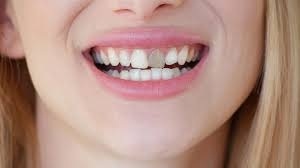

Dark marks on teeth can undermine your confidence and affect your overall smile. While many people experience this issue, understanding how to safely and effectively remove these stains is key to achieving a brighter, more attractive appearance. This guide will cover the causes of these marks, professional and at-home treatments, and preventive measures to keep your teeth healthy. By following expert advice, you can regain a radiant smile and reduce the likelihood of future discoloration.
Understanding the Causes of Dark Marks on Teeth
Dark Marks on Teeth can result from a variety of factors. Poor oral hygiene is a primary contributor, as plaque and tartar accumulate over time, causing discoloration. Dietary habits also play a significant role. Consuming coffee, tea, red wine, and deeply pigmented foods can gradually stain teeth. Tobacco use, whether smoking or chewing, accelerates the formation of these marks, leaving persistent dark spots.
Some medications, particularly antibiotics taken in childhood, can also cause teeth to darken. Genetics may influence susceptibility as well, with some people naturally having thinner enamel that exposes the underlying dentin more easily. Even minor dental trauma can lead to discoloration by damaging the tooth’s structure.
At-Home Methods to Remove Dark Marks
Several at-home techniques can help reduce or remove Dark Marks on Teeth. Brushing with whitening toothpaste that contains mild abrasives or enamel-safe bleaching agents is an effective first step. Daily flossing prevents plaque buildup between teeth, which is often where discoloration starts.
Rinsing after consuming stain-causing foods or beverages can reduce pigment adherence. Using baking soda or hydrogen peroxide occasionally as a natural whitening method can help, but it should be done carefully to avoid enamel damage. Lifestyle changes, such as reducing coffee, tea, or soda intake and quitting smoking, can prevent new dark marks from forming.
Professional Treatments for Dark Marks on Teeth
For more persistent stains, professional dental care is the most effective solution. Routine cleanings remove surface tartar and plaque, instantly brightening teeth. Teeth whitening treatments, whether in-office or at-home kits prescribed by a dentist, provide deeper results for stubborn stains.
Cosmetic options like veneers or dental bonding are suitable for severe discoloration that does not respond to traditional whitening. Veneers are thin porcelain shells that cover teeth to create a uniform, white appearance. Dental bonding uses resin to conceal dark marks and restore natural tooth color. For expert guidance and additional wellness tips, you can consult the Wellness For Life Blog, which offers practical strategies for maintaining oral health.
Preventing Dark Marks on Teeth
Prevention is just as important as treatment. Maintaining proper oral hygiene by brushing twice a day and flossing daily helps prevent plaque accumulation and staining. Limiting foods and drinks that contribute to discoloration, such as coffee, tea, red wine, and dark-colored sauces, also protects enamel.
Using a straw when drinking pigmented beverages can reduce contact with teeth. Regular dental check-ups every six months allow dentists to remove tartar and detect early signs of discoloration. Quitting tobacco and moderating sugary foods are additional steps to maintain a bright, healthy smile over time.
Maintaining a Bright, Confident Smile
Long-term success requires consistent oral care. Continue brushing and flossing daily, and consider whitening toothpaste or mouth rinses to prevent new Dark Marks on Teeth. Regular professional cleanings help maintain the results of any treatment and ensure oral health.
Avoid habits that cause staining, such as smoking or excessive consumption of pigment-rich foods. By combining preventive care with professional treatments when needed, you can enjoy a radiant smile and boost your self-confidence. A bright, healthy set of teeth not only enhances appearance but also contributes to overall dental wellness.