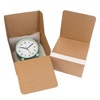

Anyone who has packed up a box of glasses or shipped a delicate product to a customer knows the worry that comes with it. Once the parcel leaves your hands, it is lifted, stacked, shifted in vans, and moved across sorting hubs. If it has not been packed properly, the journey quickly exposes weak points. Chips, cracks, and breakages are rarely the result of dramatic accidents. More often, they result from small, repeated stresses that build up over time.
Protecting fragile items is not complicated, but it does require care, patience, and the right materials.
Why Do Fragile Items So Often Arrive Damaged?
Most of the damage happens because something inside the box moved. A slight gap allows an item to knock against the side. Another carton is stacked on top, adding pressure. The vehicle turns a corner, and the contents shift again. Over hours of transport, that repeated movement causes failure.
Four issues are usually responsible:
- Space inside the box
- Weak outer cartons
- Poor sealing
- Excessive stacking weight
When you focus on controlling those factors, you significantly reduce the risk of breakage.
How Should You Wrap Delicate Items Correctly?
Air-Filled Cushioning
For surface protection, small bubble wrap is one of the most reliable options. The small air pockets create a soft barrier that absorbs vibration and light impact. It is especially useful for items with sharp edges or handles that are prone to chipping.
Wrap each item individually. Cover all sides, paying close attention to corners. If the product is particularly delicate, use a second layer. The goal is to create a protective layer that prevents direct contact with the box walls or other items.
Filling Empty Gaps
Wrapping alone is not enough. Once the item is placed inside the carton, you need to stop it from shifting. Paper void fill or similar materials can be pressed firmly into gaps to keep the item in place.
A simple test works well: gently shake the box. If you hear or feel movement, add more cushioning. Many experienced packing teams rely on dependable packaging supplies to make the process routine rather than rushed.
Does the Box You Choose Really Make a Difference?
Reinforced Cartons for Strength
Yes, it makes a considerable difference. Lightweight cartons may seem cost-effective, but they offer little resistance to stacking pressure. Using double wall cardboard boxes provides a sturdier outer shell, especially when goods are transported in bulk or stored for longer periods.
Choose a box that fits the item closely. Oversized cartons increase the need for extra filler and create more opportunity for movement. A well-sized, reinforced carton gives you a solid starting point for protection.
How Important Is Proper Sealing?
Secure Adhesive Application
Even the strongest box can fail if it is not sealed properly. Weak adhesive can lift when cartons are stacked or exposed to temperature changes. Using strong tape ensures that seams remain closed and the box’s structure stays intact.
Apply tape along the main opening and reinforce the edges. For heavier parcels, sealing along the bottom seam is equally important. Consistency is key. A neatly sealed carton is far less likely to split during handling.
What Should You Do Before Sending the Box?
Before dispatching, perform a quick check:
- Is every item wrapped individually?
- Is there any space left inside?
- Does the box feel solid when lifted?
- Are the seams fully sealed?
If everything feels firm and secure, the parcel is far more likely to withstand transport.
How Can You Protect Items During Storage?
Storage presents different challenges. Boxes may remain stacked for weeks or months. Pressure builds gradually, and moisture can weaken materials.
Using double wall cardboard boxes helps prevent collapse under weight during longer storage periods. Avoid stacking too high, and keep cartons off damp floors. Wrapping items in small bubble wrap before storage adds an extra layer of surface protection, especially for long-term placement.
Clear labelling also helps reduce unnecessary handling. The fewer times a fragile carton is moved, the lower the chance of damage.
Which Materials Are Worth Keeping in Stock?
Whether packing daily orders or preparing for a move, keeping essential packaging supplies close at hand makes a noticeable difference. A reliable packing setup typically includes:
• Air cushioning rolls
• Void fill paper
• Reinforced cartons
• Corner protection
• Quality adhesive materials
When these materials are used consistently, packing becomes a controlled process rather than a matter of guesswork.
What Do Experienced Packers Focus On?
People who pack fragile goods regularly follow the same principles:
- Eliminate internal movement
- Reinforce the outer structure
- Seal carefully and thoroughly
- Avoid unnecessary space
They understand that protection is created in layers. First, cushion the item. Second, stabilise it inside the box. Third, secure the carton so it holds its shape under pressure.
Using dependable materials such as strong tape and appropriate cushioning is not about excess — it is about reliability.
Final Thoughts
Fragile items can travel safely when properly packed with care. Most breakages are preventable with thoughtful wrapping, firm gap filling, sturdy cartons, and secure sealing.
Materials such as small bubble wrap, durable boxes, and reliable adhesives work together to form a protective system. When each layer does its job, products are far more likely to arrive intact — whether they are being shipped across the country or stored for the months ahead.
Good packing is not complicated. It is simply careful, consistent, and deliberate.