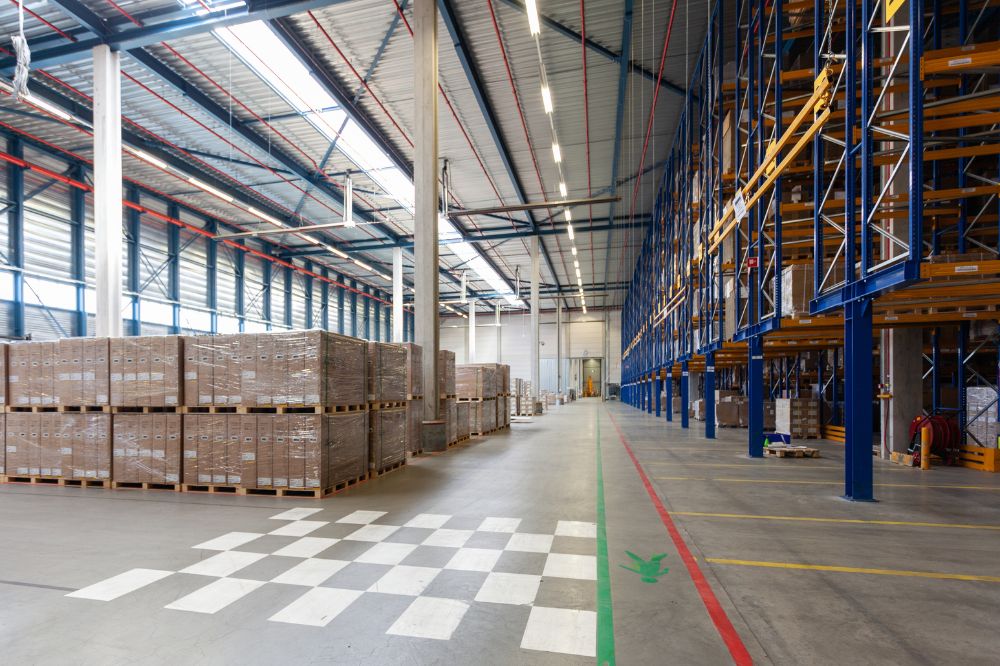

Warehouses buzz with activity. Forklifts hum, pallets stack high, and workers hustle to meet deadlines. Yet beneath this energy lies real danger. Slips, falls, and collisions claim lives each year. In Australia, over 1,850 workplace fatalities occurred in the last decade from traumatic injuries alone, with warehouses ranking high among risky sites. Warehouse managers must act. This guide shares proven steps to protect your team. Follow these, and you create a safer space that boosts productivity, too.
Understand Key Risks First
Warehouses face unique hazards. Forklifts cause many injuries. Workers often trip over clutter or slip on spills. Heavy lifting strains backs. Falling objects from high shelves strike without warning. Poor lighting hides dangers. In Australia, Safe Work Australia notes traffic management as a top concern. Pedestrians and vehicles share tight spaces. Heat, dust, and noise add stress over shifts.
Identify risks through regular audits. Walk the floor daily. Note uneven surfaces or blocked aisles. Talk to staff. They spot issues first. Australian WHS laws demand this. The Work Health and Safety Act requires employers to eliminate risks where possible. Control what remains. This first step sets the foundation.
Comply with Australian Regulations
Safety starts with the law. Australia harmonised its rules under the WHS framework. Each state enforces it, like WorkSafe in Victoria or NSW. Warehouses fall under WHS Regulations 2011. These cover manual handling, heights, and hazardous goods.
Consult Safe Work Australia guides. Their traffic management PDF outlines clear duties. Persons Conducting a Business or Undertaking (PCBUs) must minimise risks “so far as reasonably practicable.” Train staff on these. Post signs. Keep records. Non-compliance invites fines or shutdowns. Audits prove your commitment.
Mandate Personal Protective Equipment
PPE saves lives. Make it non-negotiable. Steel-toe boots prevent crushed toes. High-visibility vests alert drivers. Hard hats shield from drops. Gloves protect hands during lifts. Safety glasses block dust and debris.
Stock quality gear. Train on proper use. Inspect daily. Replace worn items fast. OSHA data shows PPE cuts injuries by over 60% in high-risk spots. In Australia, OHS standards echo this. Enforce policy. Reward compliance. Workers feel valued when equipped correctly.
Master Forklift and Traffic Safety
Forklifts dominate warehouses. They cause one in three deadly crashes. Certify operators only. Require annual refreshers. Daily checks cover brakes, steering, horns, and lights.
Segregate paths. Paint bold lines for vehicles and pedestrians. Use mirrors at blind spots. Install barriers or bollards. Speed limits matter. 8 km/h max in traffic zones. Safe Work Australia stresses one-way systems where space allows.
Line marking services Melbourne can ensure worker safety at a warehouse by marking operational areas clearly to guide the flow. They prevent collisions and keep aisles open. Professional line marking lasts under heavy traffic.
Keep Floors and Walkways Clear
Clutter kills. Spills cause slips. Keep floors dry and swept. Use non-slip mats in wet areas. Promptly clean leaks. Mark spills with cones.
Clear walkways. No boxes or cords across paths. Racks need safe load signs. Overloading buckles shelves. Regular racking audits ensure compliance. Train on manual handling. Bend knees, not backs. Use trolleys for heavy loads. These habits cut strains by half.
Install Signage and Lighting
Signs communicate fast. Post warnings like “Forklift Zone” or “No Pedestrians.” Safe load labels on racks match engineer specs. Floor signs direct traffic.
Bright lighting reveals hazards. LED floods cut shadows. Motion sensors save energy. Check bulbs weekly. Good visibility halves accidents.
Train and Communicate Relentlessly
Knowledge empowers. Hold safety inductions for new hires. Monthly toolbox talks refresh skills. Cover emergencies like fires or spills.
Communicate rules clearly. Beyond signs, use emails, apps, or meetings. Foster reporting. No blame for near-misses. Analyse incidents. Adjust plans.
Maintain Equipment and Racks Routinely
Breakdowns spark disasters. Schedule forklift services. Log pallet jacks and conveyors. Rusty racks fail under weight.
Annual audits by pros catch issues. In Australia, WorkSafe checks these. Update signage post-inspection.
Plan for Emergencies
Drills save lives. Map evacuation routes. Stock first aid kits. Train AED use. Fire extinguishers need tags.
Hazardous goods demand special storage. Label per Dangerous Goods Act. Spill kits ready.
Build a Safety Culture
Safety thrives on buy-in. Lead by example. Managers wear PPE. Celebrate zero-harm months. Empower workers as safety champs.
Track metrics. Injury rates drop with focus. Australian stats show proactive sites fare best.
Partner with Experts When Needed
Complex tasks benefit from specialists. Line marking pros ensure durable, compliant layouts. They handle warehouses with precision.
Why It Matters Long-Term
Safe warehouses retain talent. Low turnover cuts costs. Compliance avoids legal woes. Productivity soars without downtime.
Invest now. Australian businesses that prioritise safety gain an edge. Workers return home whole. That’s the true win for linemarking services like Western Suburbs Line Marking and warehouse owners.