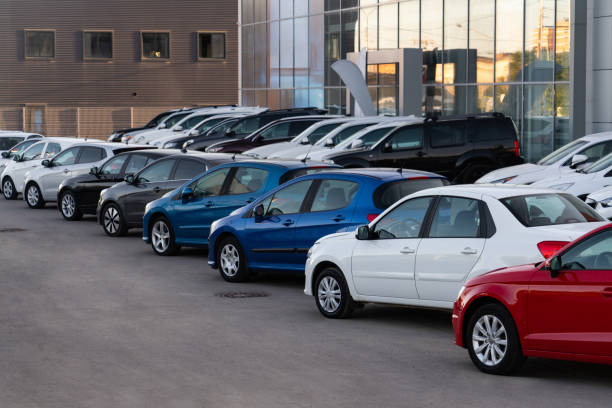

Buying a car is an important decision for many people. While new vehicles offer the latest features and technology, they are often expensive and may not fit everyone’s budget. For this reason, many buyers prefer purchasing a used car. A well-maintained used car can provide excellent performance and reliability while saving a significant amount of money.
However, buying a used vehicle requires careful research and planning. Unlike new cars, used vehicles have a history that can affect their condition, value, and reliability. Understanding what to check before purchasing a used car can help you avoid costly mistakes and ensure you make a smart investment.
This guide explains everything you need to know about choosing the right used car for sale, from setting a budget and inspecting the vehicle to negotiating the price and completing the purchase.
Why Many People Prefer Used Cars
The demand for used cars has increased significantly in recent years. Many buyers are discovering that pre-owned vehicles offer several advantages compared to brand-new cars.
One major reason is affordability. Used cars are typically much cheaper than new ones, allowing buyers to save money while still getting a reliable vehicle.
Another reason is depreciation. New cars lose value very quickly, especially during the first few years. A used car has already gone through most of its depreciation, meaning it will retain its value better over time.
In addition, used cars are available immediately. Buyers do not need to wait for manufacturing or delivery, which can sometimes take months when purchasing a new vehicle.
These advantages make used cars an attractive option for many people.
Setting a Budget Before Buying
Before starting the search for a used car, it is important to determine your budget. Knowing how much you can afford will help narrow down your options and prevent overspending.
When calculating your budget, consider not only the purchase price but also additional costs such as:
- Insurance
- Registration fees
- Maintenance and repairs
- Fuel expenses
- Spare parts
- Taxes
Many buyers make the mistake of focusing only on the price of the car while ignoring these extra costs. Planning ahead ensures that the vehicle remains affordable even after purchase.
It is also a good idea to set aside a small emergency fund for unexpected repairs, especially if the car is older.
Deciding Which Type of Car You Need
Different people have different transportation needs. Before choosing a car, consider how you plan to use it.
For example, if you mainly drive in crowded cities, a small hatchback may be the best option because it is easier to park and consumes less fuel.
Families may prefer sedans or SUVs because they offer more space and comfort for passengers.
People who travel long distances frequently may prioritize fuel efficiency and reliability.
Some common types of vehicles include:
- Hatchbacks
- Sedans
- SUVs
- Crossovers
- Hybrid cars
Choosing the right type of vehicle based on your lifestyle will ensure that the car meets your daily needs.
Researching Different Car Models
Once you know the type of car you want, the next step is researching different models. Each vehicle has unique features, strengths, and weaknesses.
When researching used cars, consider the following factors:
- Fuel efficiency
- Reliability ratings
- Maintenance costs
- Availability of spare parts
- Resale value
- Safety features
Online reviews, automotive forums, and expert comparisons can provide valuable information about different models.
It is also helpful to compare several vehicles before making a final decision.
Checking the Vehicle’s History
The history of a used car is extremely important. A car with a clean history is usually a safer and more reliable purchase.
Important details to check include:
- Number of previous owners
- Accident records
- Service history
- Registration status
- Outstanding loans
A car that has been well maintained by its previous owner is more likely to perform well in the future.
If possible, request maintenance records that show regular servicing and repairs.
Inspecting the Exterior Condition
The exterior of a car can reveal a lot about its history and maintenance.
Walk around the vehicle and carefully examine the body for any signs of damage. Look for:
- Scratches and dents
- Rust or corrosion
- Uneven paint
- Misaligned panels
- Cracks in the windshield
Uneven paint or mismatched colors may indicate that the car was involved in an accident and later repaired.
While minor cosmetic issues are normal for older vehicles, major structural damage can be a serious concern.
Examining the Interior
The interior condition of the car is another important factor to consider.
Check the seats, dashboard, and floor mats for signs of excessive wear. A well-maintained interior often reflects a responsible owner.
You should also test the vehicle’s features, including:
- Air conditioning
- Power windows
- Infotainment system
- Dashboard lights
- Seat adjustments
If these components are not working properly, repairs may be necessary.
Inspecting the Engine and Mechanical Components
The engine is the most critical part of any vehicle. Problems with the engine can lead to expensive repairs.
Open the hood and inspect the engine compartment. Look for:
- Oil leaks
- Loose wires
- Rust
- Dirty or damaged components
Also check the fluid levels, including engine oil, coolant, and brake fluid.
If you are not familiar with car engines, it is highly recommended to bring a professional mechanic to inspect the vehicle.
A mechanic can identify potential problems that may not be visible to an untrained buyer.
Taking a Test Drive
A test drive is one of the most important steps when buying a used car. It allows you to evaluate the vehicle’s performance and comfort.
During the test drive, pay attention to:
- Engine noise
- Acceleration
- Brake performance
- Steering response
- Suspension comfort
- Gear shifting
Drive the car on different types of roads if possible, including highways and uneven streets.
Any unusual noises, vibrations, or warning lights should be taken seriously.
Negotiating the Price
Negotiation is a normal part of buying a used car. Most sellers expect buyers to negotiate, so do not hesitate to discuss the price.
Before negotiating, research the average market price for the same car model with similar mileage and condition.
If you notice issues such as worn tires, scratches, or minor repairs needed, you can use them as reasons to request a lower price.
Remain polite and respectful during negotiations. A calm and professional approach often leads to better results.
Completing the Paperwork
Once you agree on a price, the next step is completing the legal paperwork.
Proper documentation is essential to ensure that ownership is transferred correctly.
Important documents typically include:
- Vehicle registration certificate
- Transfer of ownership form
- Identification documents
- Insurance papers
- Sale agreement
Always verify that the information on the documents matches the vehicle’s details.
It is also important to keep copies of all paperwork for future reference.
Tips for Maintaining a Used Car
After purchasing a used car, regular maintenance is essential to keep it running smoothly.
Some important maintenance tips include:
- Change engine oil regularly
- Check tire pressure and condition
- Inspect brakes and suspension
- Replace filters when necessary
- Keep the car clean
Routine maintenance can extend the lifespan of the vehicle and prevent expensive repairs.
Common Mistakes to Avoid When Buying a Used Car
Many buyers make mistakes that can lead to problems later.
One common mistake is skipping the vehicle inspection. Even if the car looks good, hidden mechanical issues may exist.
Another mistake is rushing the decision. Buying a car without comparing multiple options can result in paying more than necessary.
Some buyers also ignore documentation, which can lead to legal complications.
Finally, trusting unverified sellers without proper verification can be risky.
Avoiding these mistakes can help ensure a safe and successful purchase.
The Future of the Used Car Market
The used car market continues to evolve with advancements in technology and digital platforms.
Online marketplaces are making it easier for buyers and sellers to connect. Detailed listings, vehicle inspection reports, and customer reviews are improving transparency in the market.
Additionally, the growing interest in hybrid and electric vehicles is gradually influencing the used car industry.
As technology continues to develop, buying and selling used cars will become even more convenient and efficient.
Conclusion
Buying a used car can be a smart financial decision when done correctly. With proper research, careful inspection, and informed negotiation, buyers can find reliable vehicles that offer great value for money.
Understanding the key factors involved in choosing a used car—such as vehicle condition, history, and documentation—can help prevent costly mistakes.
At the same time, sellers who prepare their vehicles properly and provide honest information are more likely to attract serious buyers.