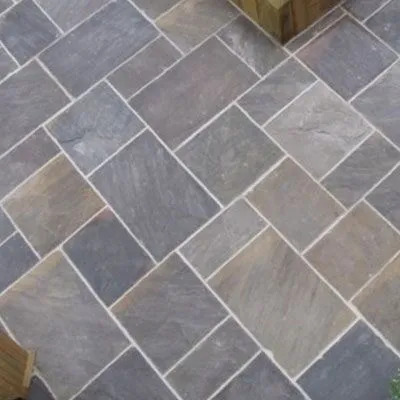

Choosing Sagar Black Sandstone seems simple, but once you actually start checking quality, finish, and budget, that’s where people usually go wrong. They either pick based on price or just go by looks. Both are bad decisions. Stone is not just about appearance. It affects durability, maintenance, and how your project looks after a few years. If you choose the wrong material, you’ll deal with fading, cracks, or uneven surfaces. So instead of choosing any random sandstone, here’s a simple way to choose the right sandstone for your project.
Start With Where You’ll Use It
First, be clear about where the stone will go. Not every Sagar Black Sandstone finish works everywhere.
- Outdoor areas: Go for a rough or natural finish for grip
- Indoor flooring: A smooth finish works better
- Wall cladding: You can focus more on appearance
If you ignore this, you’ll end up with slippery floors or surfaces that don’t last in weather conditions.
Check the Quality
All Sagar Black Sandstone may look similar at first, but the quality varies a lot. Here’s what to check:
- Color consistency: Uneven color means poor selection
- Surface finish: Should be even, not patchy
- Edges: Clean cuts show good processing
- Cracks or weak spots: Avoid stones with visible defects
Good quality stone stays strong and looks the same even after long use.
Thickness and Size Matter More Than You Think
This is something many buyers ignore.
- Thicker stone = better strength
- Proper sizing = easier installation
- Uneven thickness = more labor cost
If your Sagar Black Sandstone slabs are not uniform, your contractor will struggle during installation. That means delays and extra costs.
Understand the Finish Options
Choosing the right finish for sandstone isn’t just about the look; it’s about how the stone will look in your home or project. In the stone industry, we always say the finish should match the function of the space.
-
Natural (Rough)
This is the stone in its rawest form, just as it comes from the earth. It has a rugged texture that feels authentic and earthy.
- Best for: Patios, walkways, and pool decks.
- Why it works: It provides excellent natural grip. If you’re worried about slipping when it rains, this is your safest and most durable choice for the outdoors.
-
Honed (Matte)
Honed Sagar black sandstone is made smooth and flat, but it doesn’t have a shiny finish. It feels soft and slightly matte.
- Best for: Indoor flooring, hallways, and kitchen areas.
- Why it works: It gives you a clean and modern look. It’s practical for daily life because it’s easy to clean and doesn’t show dust or scratches as easily as a glossy surface.
-
Polished (Glow)
This finish is polished to give a shiny, mirror-like look. It makes the black colour appear deeper and more premium.
- Best for: Wall cladding, fireplace surrounds, and decorative accents.
- Why it works: It adds a touch of luxury to any room. Because it can be quite slick when wet, we usually recommend it for walls or indoor areas where slip-resistance isn’t the main priority.
In simple terms, a photo may look good, but what really matters is what suits your space. If it’s for daily use, choose a finish that fits how you actually live.
Water Absorption and Weather Resistance
If you’re using Sagar Black Sandstone outdoors, this is important.
- Low water absorption = longer life
- Better resistance to rain and weather
- Less chance of damage over time
Poor-quality stone absorbs water and starts breaking down faster. That’s a problem you don’t want later.
Think About Maintenance
Stone is not a one-time decision. You’ll live with it for years. Ask yourself:
- Is it easy to clean?
- Will it stain easily?
- Does it need sealing?
Good Sagar Black Sandstone is low maintenance, but poor-quality stone will need constant care.
Match It With Your Design
Yes, looks matter, but don’t overdo it.
- Black sandstone gives a modern, clean look
- Works well with both light and dark designs
- Good for both residential and commercial spaces
Check the Supplier Carefully
This is where most people make the biggest mistake. A good supplier will:
- Provide consistent quality
- Offer proper sizing and finishing
- Help you choose based on your project
A bad supplier will just sell whatever is available. When buying Sagar Black Sandstone, always go with someone who understands the material, not just sells it.
Don’t Just Go for the Cheapest Option
Cheap stone always costs more later. Cheap sandstone usually means:
- Uneven finish
- Weak structure
- Higher breakage
- More maintenance
You might save money at the start, but you’ll spend more fixing problems.
Ask for Samples Before Final Decision
Never finalise based on photos.
- Check actual color and texture
- Test finish and thickness
- See how it looks in your space
A small sample can save you from a big mistake.
Conclusion
Selecting the right Sagar Black Sandstone is really about what makes you feel at home. You don’t need fancy jargon to pick a stone that looks great and lasts for years. Just think about your style and how you’ll use the space every day. At Stone India, we’re just happy to help you find a look you’ll love coming home to. It’s your project, so have some fun with it and keep things simple!
FAQ
Q1: Where does this stone work best?
Ans. It’s incredibly versatile. Most people use it for patios, garden paths, and pool surrounds, but it’s also a solid choice for interior wall features or durable kitchen flooring.
Q2: Can it handle the outdoors?
Ans. Absolutely. It’s built for the elements. If you’re using it outside, go for a natural or riven finish, which gives you that extra grip underfoot when things get wet.
Q3: Is it high maintenance?
Ans. No, not really. Just regular cleaning and an occasional wash with soapy water is enough. It’s easy to take care of.
Q4: What should I look for before buying?
Ans. Check for consistency. You want uniform thickness (to make laying it easier) and a solid, deep color. Avoid any slabs with visible hairline cracks or flaky edges.