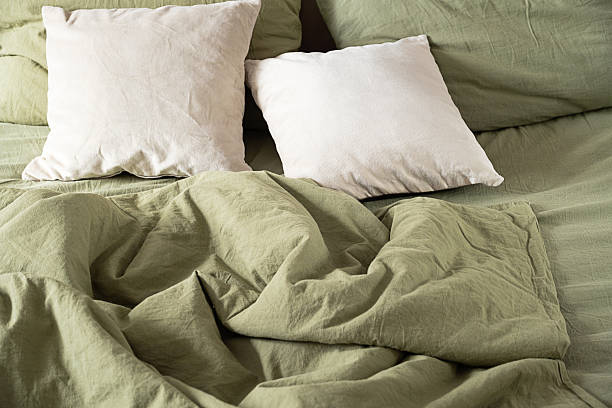

A quilt cover plays an important role in keeping your bedding clean, comfortable, and visually appealing. It protects the quilt from dust, sweat, and daily wear while also setting the bedroom tone. Knowing how to care for and wash a quilt cover properly helps extend its life and maintain its softness. Many people assume washing is straightforward, but fabric type, washing frequency, and drying methods matter. This is true for Australian quilt covers, which are made from natural, breathable materials designed for comfort and durability.
This article mentions simple, practical steps to care for and wash a quilt cover correctly, helping it stay fresh, clean, and long-lasting.
Know Your Quilt Cover Fabric
You should take a moment to understand the fabric before washing. Cotton, linen, and blended materials are common choices. Cotton quilt covers are easy to care for and suitable for regular washing. Linen quilt covers, found among the best quilt covers in Australia, need gentler handling. They soften over time but can weaken if washed too harshly.
Always read the care label provided with the quilt cover at the time of buying. You can get the clear guidance on water temperature, washing cycles, and drying methods. If you ignore these instructions, you will notice that fabric fades, shrinks, or loses its shape over time.
How Often Should You Wash Your Quilt Cover?
A common question is, how often should you wash your quilt cover? It is recommended to wash quilt every one to two weeks. Weekly washing is a perfect choice, if you sweat during sleep, have allergies, or allow pets on the bed. You may choose to wash less during cooler months, but cleanliness should still be a priority.
Washing too frequently can cause unnecessary wear, while washing too rarely allows dirt and oils to build up. Finding a regular schedule that suits your lifestyle is the best approach.
Preparing the Quilt Cover for Washing
Preparation helps prevent damage. Turn the quilt cover inside out to protect the outer surface. Fasten buttons or zippers so they do not catch on the fabric. If there are stains, treat them before washing. A small amount of mild detergent applied gently to the area works well.
Avoid strong stain removers unless the care label allows them. Harsh chemicals can weaken fibres in natural fabrics commonly used in Australian quilt covers.
Washing the Quilt Cover Correctly
Use cold or warm water unless the care label suggests otherwise. Hot water may seem effective, but it can cause shrinking and fading. Choose a gentle or normal cycle rather than a heavy-duty one.
Select a mild detergent without strong fragrances or bleaching agents. These are safer for the fabric and skin. Fabric softener is optional. Some quilt covers, like linen, soften naturally over time and do not require it.
Do not overload the washing machine. Quilt covers need space to move freely so they can be cleaned properly and evenly.
Drying Your Quilt Cover Safely
Drying is as important as washing. Line drying is ideal when possible. Fresh air helps maintain fabric quality and reduces wear. Avoid leaving quilt covers in direct sunlight for long periods, as this can fade colours.
If you use a dryer, choose a low heat setting. Remove the quilt cover while it is slightly damp to prevent stiffness and deep wrinkles. High heat can damage fibres and shorten the lifespan of even the best quilt covers in Australia.
Ironing and Storage Tips
Ironing is not always necessary. Some fabrics look neat with a light press, while others, like linen, have a natural texture that does not require ironing. If you choose to iron, follow the temperature recommendations on the care label.
For storage, ensure the quilt cover is completely dry. Fold it neatly and store it in a cool, dry place. Avoid plastic storage containers if possible, as they can trap moisture. Breathable fabric storage is a better option.
Caring for Australian Quilt Covers
Australian quilt covers are designed with climate comfort in mind, using breathable and natural materials. While these fabrics are durable, they still benefit from gentle care. Rotating between multiple quilt covers reduces wear and helps each one last longer.
If you have invested in premium bedding, proper care protects comfort and appearance over time.
Simple Habits That Help Maintain Quality
Small habits can make a noticeable difference. Shake out your quilt cover each morning to release moisture and dust. Wash pillowcases at the same time to keep bedding fresh and consistent. Always follow the care label instructions, even if the quilt cover appears sturdy.
These simple steps support long-term fabric health without adding extra effort to your routine.
Conclusion
Understanding how to care for and wash a quilt cover does not require complicated routines. It comes down to regular washing, gentle handling, and proper drying. Knowing how often should you wash your quilt cover? and choosing the right methods helps maintain cleanliness and comfort. Whether you are caring for everyday bedding or premium Australian quilt covers from the best quilt covers in Australia collections, these practices help preserve quality and extend lifespan. With consistent care, your quilt cover will remain fresh, soft, and comfortable for the coming years.