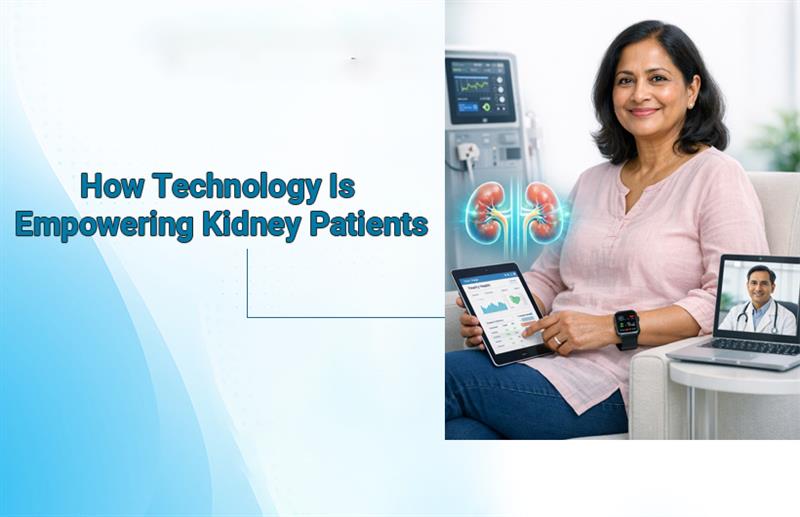

Technology is reshaping healthcare across the world, and kidney care is no exception. For patients living with kidney-related conditions, especially chronic kidney disease (CKD), managing health used to mean frequent hospital visits, delayed symptom detection, and limited day-to-day insights. Today, innovations such as wearable technology, remote patient monitoring, and AI-powered health tools are making kidney care more proactive, personalised, and accessible.
Under the guidance of kidney specialists in Ahmedabad like Dr Ravi Bhadania, these advancements are helping patients monitor their condition more effectively and maintain better long-term kidney health.
Wearable Technology for Kidney Disease: A New Era of Monitoring
Wearable technology has emerged as a powerful tool for patients managing kidney disease. Devices such as smartwatches, fitness bands, and medical-grade sensors can now track vital health parameters in real time. For kidney patients, this includes monitoring blood pressure, heart rate, hydration levels, physical activity, and sleep quality.
Blood pressure control is especially critical for kidney health, as hypertension is one of the leading causes of kidney damage. Wearables allow patients to track fluctuations daily instead of relying solely on clinic visits. This helps both patients and doctors identify concerning trends early.
Some advanced wearables are also capable of detecting signs of fluid retention, a common issue in kidney disease that can lead to swelling, breathlessness, and heart strain. Early alerts enable timely medical attention before symptoms worsen.
Beyond monitoring, wearables encourage healthier habits. By tracking steps, activity levels, and hydration reminders, patients become more engaged in their own care, which plays a vital role in slowing disease progression.
Remote Monitoring: Bringing Kidney Care Home
Remote patient monitoring (RPM) has transformed how kidney specialists follow up with their patients. Using connected devices such as digital blood pressure monitors, glucometers, weighing scales, and sometimes urine testing kits, patients can share health data directly with their doctor from home.
This real-time data sharing allows doctors to:
-
Detect early signs of kidney function decline
-
Monitor blood pressure and blood sugar control consistently
-
Adjust medications without waiting for in-person visits
-
Reduce emergency hospitalisations
For patients with CKD or those recovering from kidney-related procedures, remote monitoring offers peace of mind. Doctors can spot sudden weight gain, rising blood pressure, or worsening sugar levels early and intervene before complications occur.
Remote monitoring is particularly beneficial for elderly patients or those who find frequent travel to hospitals difficult. It also ensures continuity of care between appointments, making kidney management safer and more effective.
Smart Apps and AI Tools Supporting Kidney Health
Mobile health applications and AI-driven platforms are becoming essential companions for kidney patients. These tools help simplify daily disease management and improve adherence to treatment plans.
Many kidney care apps allow patients to:
-
Track medications and dosage schedules
-
Monitor fluid intake and diet restrictions
-
Record daily symptoms such as fatigue or swelling
-
Receive reminders for tests, dialysis sessions, or follow-ups
AI-powered systems can analyse patterns in the collected data and alert patients if something appears abnormal. For example, if blood pressure readings trend upward or fluid intake exceeds safe limits, the app can recommend corrective actions or prompt the patient to contact their doctor.
This intelligent support reduces the mental burden on patients and helps them stay organised and informed about their condition.
Benefits of Technology-Driven Kidney Care
The integration of technology into kidney care offers several important advantages:
-
Early detection of complications
-
Reduced dependency on frequent hospital visits
-
More personalised treatment plans
-
Better patient engagement and self-management
-
Improved long-term outcomes
When patients understand their health data and receive timely feedback, they are more likely to follow medical advice and lifestyle recommendations.
The Future of Smart Kidney Care
The future of kidney care looks increasingly patient-centric. Smart dialysis machines, home-based dialysis solutions, and AI-assisted diagnostic tools are already under development. These technologies aim to make treatment more comfortable, efficient, and flexible for patients.
As innovation continues, the focus will remain on empowering patients rather than overwhelming them. With experienced specialists like Dr Ravi Bhadania guiding care, technology becomes a supportive partner, not a replacement for medical expertise.
In conclusion, technology is not just improving how kidney disease is treated, it is changing how patients live with it. Through wearables, remote monitoring, and intelligent digital tools, kidney care is becoming smarter, safer, and more compassionate than ever before.