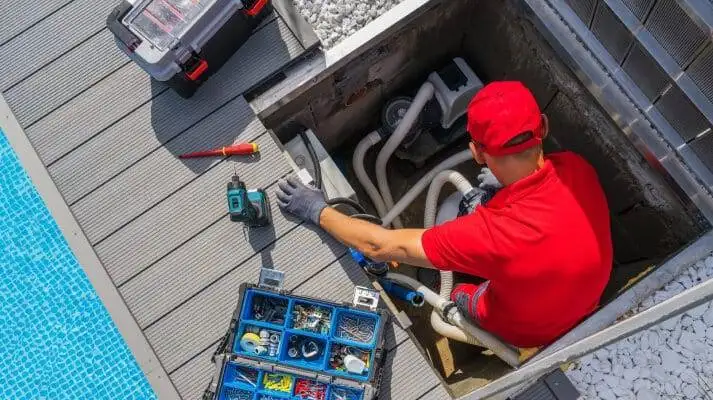

Pools don’t break all at once. Small signs show up first, but people miss them. Good technicians don’t rely on luck. They track numbers and patterns. Right in the middle of that work, a swimming pool cleaning service uses past visit data to spot early warning signs and stop problems before they grow.
What Pool Data Shows After 3–4 Visits That Eyes Miss?
One visit tells a story. But three or four visits show a pattern. Technicians compare notes from each trip. They don’t just look at today. They check how things change over time. So, they notice: Slow pressure rise, slight water dullness, and small chemical shifts. These changes look minor alone, but together they point to a coming issue.
The Small Readings Technicians Compare Week After Week
Each visit creates a record. Good teams don’t ignore it. They track simple numbers and compare them every week. This helps them catch trends early. They focus on:
- Filter pressure
- Chlorine level
- pH balance
- Debris amount
- Cleaning time
Even a swimming pool cleaning service Fort Worth, TX, relies on these logs to manage pools that face heat and heavy use.
How Does A Slow Pressure Climb Signal Trouble Early?
Pressure does not jump without reason. It builds. If pressure rises a little each week, the filter struggles. If cleaning does not bring it down fully, something blocks the flow. Technicians check:
- How fast pressure rises
- How much it drops after cleaning
- How it compares to last week
So, they fix the root cause before the system fails.
How Tiny Clarity Changes Warn Before Water Turns Cloudy?
Clear water can still hide early trouble. Technicians track clarity over time, not just how it looks today. They watch for:
- Slight haze
- Light color shift
- Particles that return fast
These signs show that filtration or chemistry needs adjustment. So, they act before the pool turns cloudy.
How Small Chemical Swings Signal Bigger System Stress?
Chemicals should stay stable. If they don’t, something is off. Technicians compare test results from past visits. They look for patterns, not one-time readings. They notice:
- pH that keeps shifting
- Chlorine that drops too fast
- Calcium that builds slowly
These changes stress the system. So, they correct the cause early.
How Equipment Behavior Adds Clues You Can’t See?
Machines speak through changes. Technicians pay close attention to how equipment runs during each visit. They track:
- Pump sound
- Water flow strength
- Run time changes
If a pump gets louder or weaker, it signals wear. So, they repair or adjust before a full breakdown happens.
How Usage Patterns Change the Way Pools Need Care?
Not all pools behave the same. Some pools see daily use. Others sit idle. Data helps adjust care based on real use. For example:
- A busy pool needs more cleaning
- A quiet pool needs fewer frequent visits
A swimming pool cleaning service often deals with high-use pools, so data helps adjust schedules fast.
Why Pattern Tracking Beats One-Time Fixes?
Quick fixes solve today’s problem, not tomorrow’s. Pattern tracking helps technicians stay ahead. It helps them:
- Catch issues early
- Reduce repair costs
- Keep water clear longer
- Protect equipment life
Final Remarks
Pool issues don’t appear out of nowhere. They build slowly, and data helps catch them early. How Swimming Pool Cleaning Service Uses Data to Predict Pool Problems? How Swimming Pool Cleaning Service Uses Data to Predict Pool Problems? Small changes in pressure, clarity, and chemicals reveal what’s coming next. A trusted swimming pool cleaning service uses data to plan care, avoid repeat problems, and keep pools safe. Skilled teams handle cleaning, tracking, and system checks so you don’t have to worry.