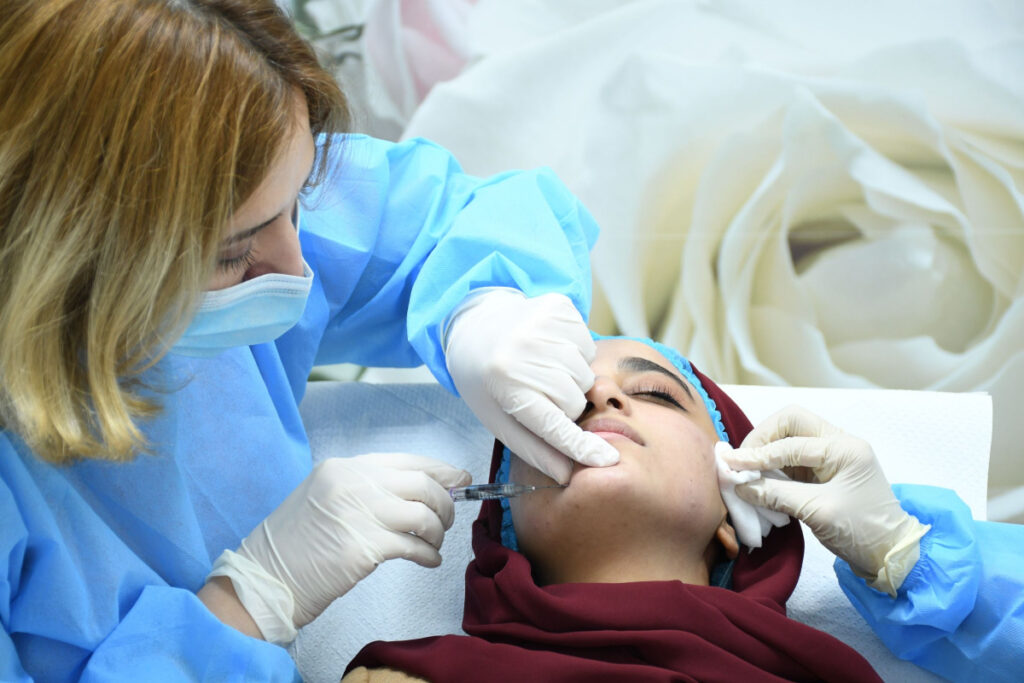

Botox injections are widely used to reduce the appearance of fine lines and wrinkles and to prevent deeper lines from forming over time. One of the most important aspects of achieving natural, long-lasting results is understanding how often Botox should be repeated. While Botox is a temporary treatment, the correct timing between sessions can make a significant difference in both appearance and long-term skin quality.
How Botox Works in the Face
Botox works by blocking nerve signals to targeted muscles, preventing them from contracting as strongly as they normally would. These muscle contractions are responsible for dynamic wrinkles that appear when you frown, raise your eyebrows, or smile. By relaxing these muscles, Botox allows the skin to rest, helping it appear smoother and more youthful.
Over time, the body naturally breaks down Botox. As this happens, muscle movement slowly returns, which is why repeat treatments are necessary to maintain results.
How Long Do Botox Results Typically Last?
For most individuals, Botox results last between three and four months. Some people may experience longer-lasting results, particularly after regular treatments, while others may notice results wearing off slightly sooner. First-time patients often find that Botox wears off faster initially, but longevity can improve with continued use.
It’s important to note that Botox does not suddenly stop working overnight. Instead, results fade gradually, allowing you to plan your next treatment without drastic changes in appearance.
Ideal Botox Treatment Schedule
A standard Botox maintenance schedule usually involves treatments every 12 to 16 weeks. This timing helps prevent full muscle movement from returning, reducing the chance of deep expression lines reappearing.
With consistent treatment, some patients are able to extend their appointments to every four or even five months, as muscles adapt and remain more relaxed over time.
Preventative Botox: How Often Is It Needed?
Preventative Botox is increasingly popular among people in their late 20s and early 30s. The goal is to soften muscle movement before lines become permanently etched into the skin.
For preventative purposes, Botox may be needed less frequently, often every four to six months, depending on muscle activity and lifestyle factors. Lower doses are typically used, focusing on subtle, natural results rather than complete muscle relaxation.
Factors That Affect Botox Longevity
Facial Muscle Strength
Individuals with stronger facial muscles or very expressive faces may find Botox wears off more quickly, requiring more regular maintenance.
Treatment Area
Different areas of the face respond differently. Forehead and frown lines typically last three to four months, while treatments such as jaw slimming or excessive sweating can last longer.
Lifestyle and Metabolism
A fast metabolism, intense exercise routines, frequent sun exposure, and high stress levels can all shorten the duration of Botox results.
Injector Skill and Technique
Experienced injectors use precise placement and appropriate dosing to maximise longevity while maintaining natural facial movement.
Is It Safe to Have Botox Regularly?
When administered correctly by a qualified professional, Botox is considered safe for long-term use. However, treatments should not be performed too frequently. Most practitioners recommend waiting at least three months between sessions to avoid reduced effectiveness or an unnatural appearance.
What Happens If You Stop Botox?
If you stop or delay Botox treatments, your muscles will gradually regain full movement. Wrinkles will slowly return to their natural state but will not become worse due to previous Botox use. Many people find their skin still appears softer than before starting treatment, especially after long-term use.
Creating a Personalised Botox Plan
Everyone’s face is unique, which is why a personalised Botox plan is essential. During a consultation, your practitioner will assess your facial anatomy, skin condition, age, and aesthetic goals to determine the ideal dosage and treatment frequency for you.
Conclusion
In general, Botox injections should be repeated every three to four months to maintain smooth, consistent results. With regular, well-timed treatments and professional guidance, many people find they can extend the time between sessions while still enjoying natural-looking outcomes. The key to successful Botox is balance, timing, and personalised care rather than frequent injections. learn more here – https://www.revitallab.co.uk/anti-wrinkle-treatments/