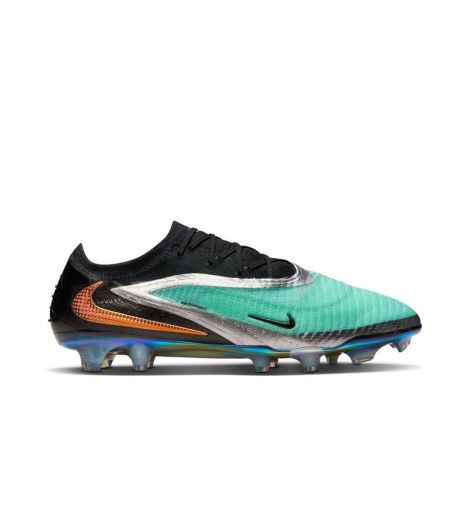

Here is how smart innovation from Nike enhances running performance.
Reducing Physical Strain with Nike running shoes
Every time a runner hits the pavement, the body absorbs a force several times its own weight. Over long distances, this repetitive shock leads to muscle fatigue and joint wear. The primary goal of the cushioning in Nike running shoes is to dampen this impact. Using materials like React foam, the shoes provide a soft landing that spreads pressure across the foot rather than concentrating it in the heel or ball.
React technology is unique because it is lightweight yet durable. Many traditional foams lose their shape and supportive qualities after a few hundred kilometers. This specific foam is designed to bounce back to its original form after every single stride. This consistency means that the protection you feel during your first week of training remains the same months later. For runners who deal with shin splints or knee issues, the shock absorption found in Nike running shoes is a vital tool for staying injury-free.
Maximizing Energy Return in Nike running shoes
While protection is necessary for health, performance is measured by efficiency and speed. This is where the concept of energy return becomes important. In high-performance Nike running shoes, the cushioning acts like a spring. When you compress the foam during a stride, it stores kinetic energy. As you lift your foot, the foam quickly expands and directs that energy back into your leg.
The most prominent example of this is ZoomX foam. This material is derived from aerospace engineering and is much lighter than standard foams. Because it is so light, designers can use more of it under the foot without making the shoe heavy or bulky. In specialized Nike running shoes like the Vaporfly, this foam works alongside a stiff carbon fiber plate. This combination improves running economy, which means the athlete uses less oxygen to maintain a fast pace. It allows runners to maintain their speed for longer periods without the muscles fatiguing as quickly.