
What Is Human-Centered Storytelling?
Human-centered storytelling is a Digital Marketing approach that prioritizes human emotions, challenges, aspirations, and experiences over purely promotional content. It answers a fundamental question every audience subconsciously asks:
“Why should I care?”
Rather than pushing a brand message aggressively, this storytelling style:
-
Highlights real-life problems and solutions
-
Uses relatable characters and scenarios
-
Evokes emotion and empathy
-
Focuses on value, not just conversion
At its core, human-centered storytelling makes brands feel human, approachable, and trustworthy.
Why Human-Centered Storytelling Matters in Marketing
Modern consumers are overwhelmed with ads, notifications, and content. As a result:
-
Attention spans are shorter
-
Trust in traditional advertising is declining
-
Audiences prefer authenticity over perfection
Human-centered storytelling cuts through this noise by making content feel real and relevant.
Key Benefits
-
Builds emotional connections
-
Improves brand recall
-
Increases engagement and shareability
-
Strengthens customer loyalty
-
Drives meaningful conversions
Brands that tell human stories are remembered long after product features are forgotten.
Understanding Your Audience as Humans, Not Data Points
Data and analytics are important, but human-centered storytelling begins with empathy, not metrics.
Marketers should ask:
-
What challenges does my audience face daily?
-
What motivates or frustrates them?
-
What goals, fears, or dreams do they have?
By understanding the human context behind consumer behavior, marketers can craft stories that feel personal and emotionally relevant.
At Softcrayons Tech Institute, aspiring marketers are trained to blend data insights with human psychology—ensuring strategies are both analytical and emotionally intelligent.
Elements of Effective Human-Centered Storytelling
To truly engage an audience, marketers must focus on key storytelling elements:
1. Authentic Characters
Stories work best when they feature real people—customers, employees, or founders. Audiences relate more to:
-
Struggles than success
-
Journeys than outcomes
-
Imperfection than polish
Even fictional stories should feel grounded in real human experiences.
2. Emotional Connection
Emotion drives action. Whether it’s hope, curiosity, joy, or empathy, effective storytelling makes people feel something. Emotional stories:
-
Are remembered longer
-
Encourage sharing
-
Build deeper brand relationships
Logic informs, but emotion persuades.
3. A Clear Conflict and Resolution
Every good story has:
-
A problem (conflict)
-
A journey (process)
-
A solution (resolution)
Instead of positioning your product as the hero, make the customer the hero and your brand the guide that helps them succeed.
4. Honest and Transparent Messaging
Audiences today value honesty. Overpromising or exaggeration can quickly damage trust. Human-centered storytelling thrives on:
-
Transparency
-
Real outcomes
-
Genuine values
Brands that communicate openly feel more relatable and credible.
Using Storytelling Across Marketing Channels
Human-centered storytelling isn’t limited to one format—it can be applied across all marketing platforms.
Content Marketing
Blog posts, case studies, and articles can tell stories about:
-
Customer journeys
-
Brand origins
-
Lessons learned
Educational institutions like Softcrayons Tech Institute often use storytelling to showcase student success stories, making learning outcomes more tangible and inspiring.
Social Media
Social platforms are ideal for storytelling because they encourage conversation and emotion. Marketers can use:
-
Short videos
-
Behind-the-scenes moments
-
User-generated content
-
Interactive polls and questions
Stories that feel personal perform better than overly polished promotional posts.
Video Marketing
Video is one of the most powerful storytelling mediums. A short, emotional video can:
-
Communicate values instantly
-
Humanize a brand
-
Create strong emotional impact
Human expressions, tone, and body language deepen audience connection.
Email Marketing
Instead of sales-heavy emails, storytelling-based emails:
-
Share personal insights
-
Offer relatable scenarios
-
Build trust over time
These emails feel like conversations, not advertisements.
Measuring the Impact of Human-Centered Storytelling
While storytelling is emotional, its impact is measurable. Marketers can track:
-
Engagement rates
-
Time spent on content
-
Social shares and comments
-
Brand sentiment
-
Conversion quality
The goal isn’t just more clicks—but stronger relationships.
How Softcrayons Tech Institute Teaches Storytelling in Marketing
At Softcrayons Tech Institute, digital marketing education goes beyond tools and tactics. Learners are trained to think like storytellers and strategists.
What Students Learn
-
Consumer psychology and behavior
-
Brand storytelling frameworks
-
Content creation with emotional impact
-
Storytelling for SEO and digital platforms
-
Real-world projects and campaigns
By combining creativity with strategy, Softcrayons Tech Institute prepares marketers to engage audiences in a more meaningful, human way.
The Future of Marketing Is Human
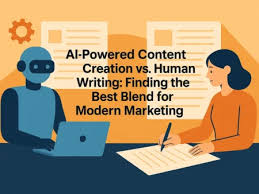
As AI-generated content becomes more common, human-centered storytelling will become even more valuable. Technology can create content, but only humans can create connection.
Brands that succeed in the future will be those that:
-
Listen before they speak
-
Tell stories, not just sell
-
Put people at the center of every campaign
Human-centered storytelling is not a trend—it’s a timeless marketing principle adapted for the digital age.
Conclusion
In a crowded digital landscape, human-centered storytelling helps marketers stand out by building emotional connections, trust, and authenticity. By focusing on real people, real challenges, and real values, brands can engage audiences in ways that traditional advertising cannot.
For marketers and students looking to master this skill, Softcrayons Tech Institute offers the knowledge, practice, and strategic insight needed to create stories that truly resonate. Because at the end of the day, the most powerful marketing message is one that feels genuinely human.