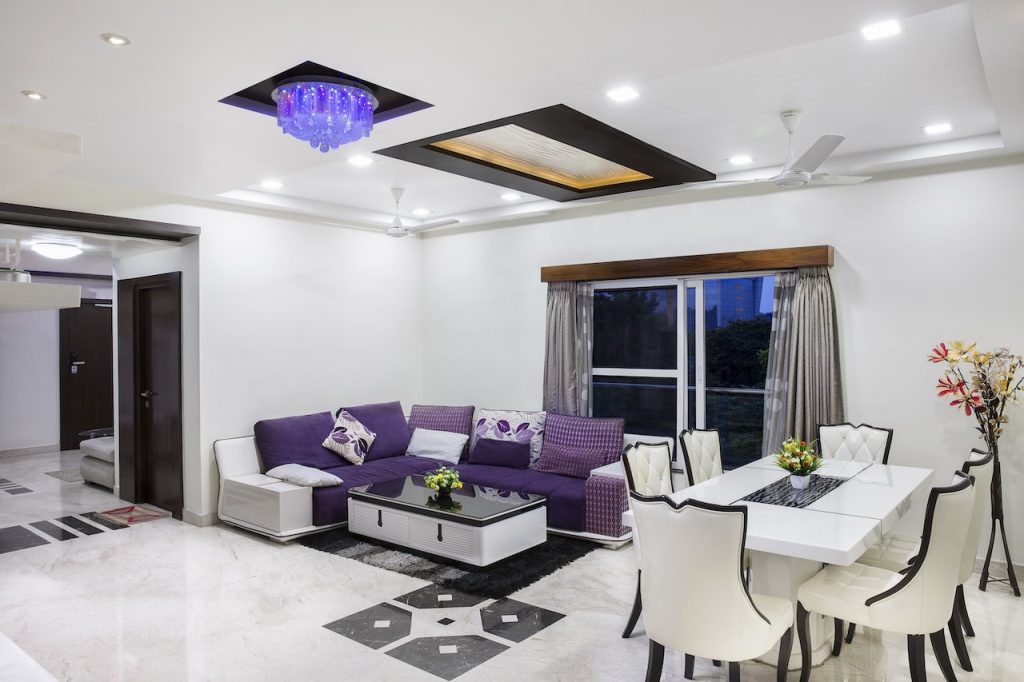

As modern living spaces become more compact and lifestyles more dynamic, multi-functional furniture has become a cornerstone of smart interior design. Interior designers rely on these versatile pieces to maximize space, improve functionality, and maintain aesthetic appeal. Whether for apartments, homes, or offices, carefully planned multi-functional furniture helps create flexible environments that adapt to changing needs. Professional interior designer companies use a strategic approach to ensure that every piece serves more than one purpose without compromising comfort or style.
Understanding Lifestyle and Space Requirements
The planning process begins with understanding how the space will be used. Interior designers assess the client’s lifestyle, daily routines, and long-term needs. For example, a living room may need to double as a guest bedroom, or a home office may also serve as a study or storage area. By analyzing these requirements, interior designers identify opportunities where furniture can perform multiple functions efficiently.
Space measurement is another critical step. Designers take precise dimensions to ensure that furniture fits seamlessly and allows easy movement. This prevents overcrowding while ensuring that the space remains comfortable and functional.
Designing Purpose-Driven Furniture Solutions
Multi-functional furniture must serve clear purposes. Interior designers plan pieces such as sofa beds, extendable dining tables, foldable desks, and storage ottomans that solve practical problems. Beds with built-in drawers, wardrobes with integrated study desks, and modular seating with hidden storage are popular solutions.
Interior designer companies often collaborate with furniture makers to create custom solutions tailored to specific spaces. Customization allows designers to optimize storage, seating, and usability while aligning with the overall interior theme.
Balancing Functionality with Aesthetics
While functionality is essential, appearance matters just as much. Interior designers carefully select materials, finishes, and colors that blend seamlessly with the surrounding décor. Clean lines, neutral tones, and minimal detailing are commonly used to ensure multi-functional furniture looks elegant rather than bulky.
Designers focus on furniture that transforms discreetly. Hidden compartments, smooth folding mechanisms, and seamless transitions between functions ensure the furniture maintains a refined look even when in use.
Ensuring Comfort and Ergonomics
Comfort is a key factor in successful multi-functional furniture. Interior designers ensure that convertible furniture does not compromise ergonomics. Seating heights, mattress quality, desk proportions, and storage accessibility are carefully planned.
For example, a sofa bed must offer proper back support when used as seating and adequate comfort when used for sleeping. Interior designer companies often test materials and mechanisms to ensure durability and ease of use.
Smart Storage Integration
One of the main benefits of multi-functional furniture is built-in storage. Interior designers incorporate hidden storage solutions to reduce clutter and improve organization. Furniture such as coffee tables with drawers, benches with lift-up seats, and headboards with shelving help maximize storage without adding extra pieces.
By integrating storage into everyday furniture, designers create cleaner, more organized interiors that feel spacious and visually appealing.
Adapting to Changing Needs
Flexibility is a major advantage of multi-functional furniture. Interior designers plan spaces that can evolve with time, accommodating lifestyle changes such as remote work, growing families, or frequent guests. Modular furniture systems allow spaces to be reconfigured easily, making them ideal for modern living.
Interior designer companies often recommend furniture that can be expanded, folded, or rearranged based on usage, ensuring long-term value and adaptability.
Incorporating Technology and Innovation
Modern multi-functional furniture often includes technological features. Interior designers integrate charging ports, lighting, adjustable mechanisms, and smart storage into furniture designs. These innovations enhance usability while keeping the space modern and efficient.
Technology integration is carefully planned so that it enhances functionality without cluttering the design.
Conclusion
Multi-functional furniture is a smart solution for modern interiors, offering flexibility, efficiency, and style. Through careful planning, customization, and attention to detail, interior designer companies create furniture solutions that adapt to changing needs while maintaining comfort and elegance. By balancing functionality, aesthetics, and innovation, interior designers transform limited spaces into highly functional, versatile environments that support modern lifestyles.